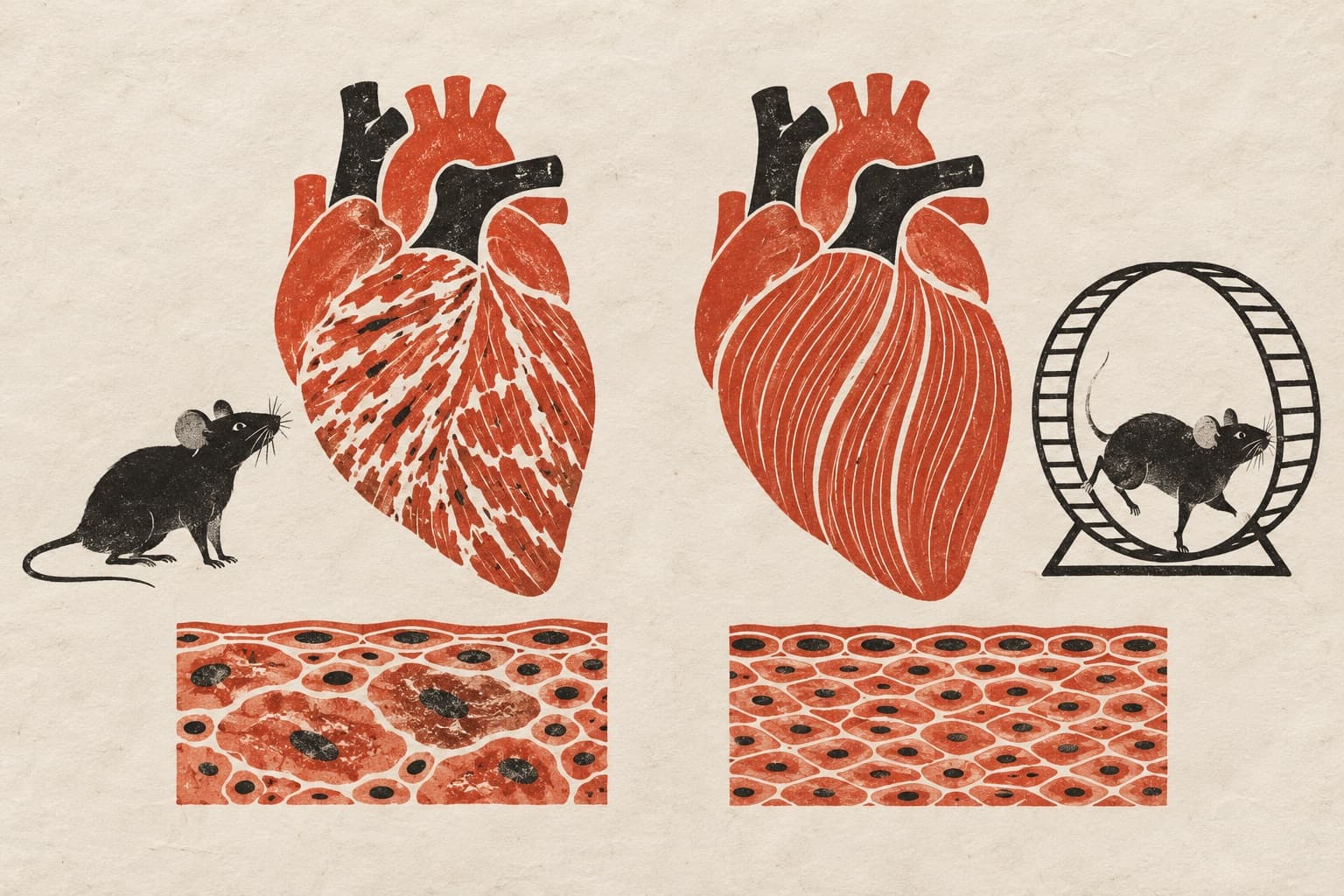
Exerkines: Potential regulators of diabetic cardiomyopathy
Abstract
Diabetic cardiomyopathy (DCM) is a significant contributor to diabetes-related mortality, manifesting through progressive diastolic dysfunction, cardiomyocyte apoptosis, and pathological fibrotic remodeling. While exercise is advocated as a therapeutic intervention for DCM, the molecular basis of its cardioprotective effects remains incompletely understood, particularly regarding systemic interorgan communication mediated by exercise-induced signaling factors. Emerging evidence highlights exerkines, a class of peptides and nucleic acids secreted by skeletal muscle (myokines), adipose tissue (adipokines), bone (osteokines), liver (hepatokines), and other organs in response to physical exercise-as key regulators of DCM pathogenesis. This review systematically examines the cardioprotective potential of exerkines in mitigating functional and structural myocardial impairments characteristic of DCM. The primary focus of this study is to elucidate the mechanisms through which exerkines modulate critical pathophysiological processes, including myocardial oxidative stress, calcium homeostasis dysregulation, programmed cell death, maladaptive renin-angiotensin-aldosterone system activation, endoplasmic reticulum stress, inflammatory signaling, and mitochondrial dysfunction. By synthesizing current understanding of exerkines-mediated cross-tissue communication, this analysis provides novel insights into exercise-based therapeutic strategies targeting the multifaceted pathophysiology of DCM.
The paper
Shanghai University of Sport
Ageing Research Reviews, 28 Jun 2025