Restoration of Extrasynaptic/Synaptic GABAAR-α5 Localization Improves Sevoflurane-Induced Early Memory Impairment in Aged Mice
Abstract
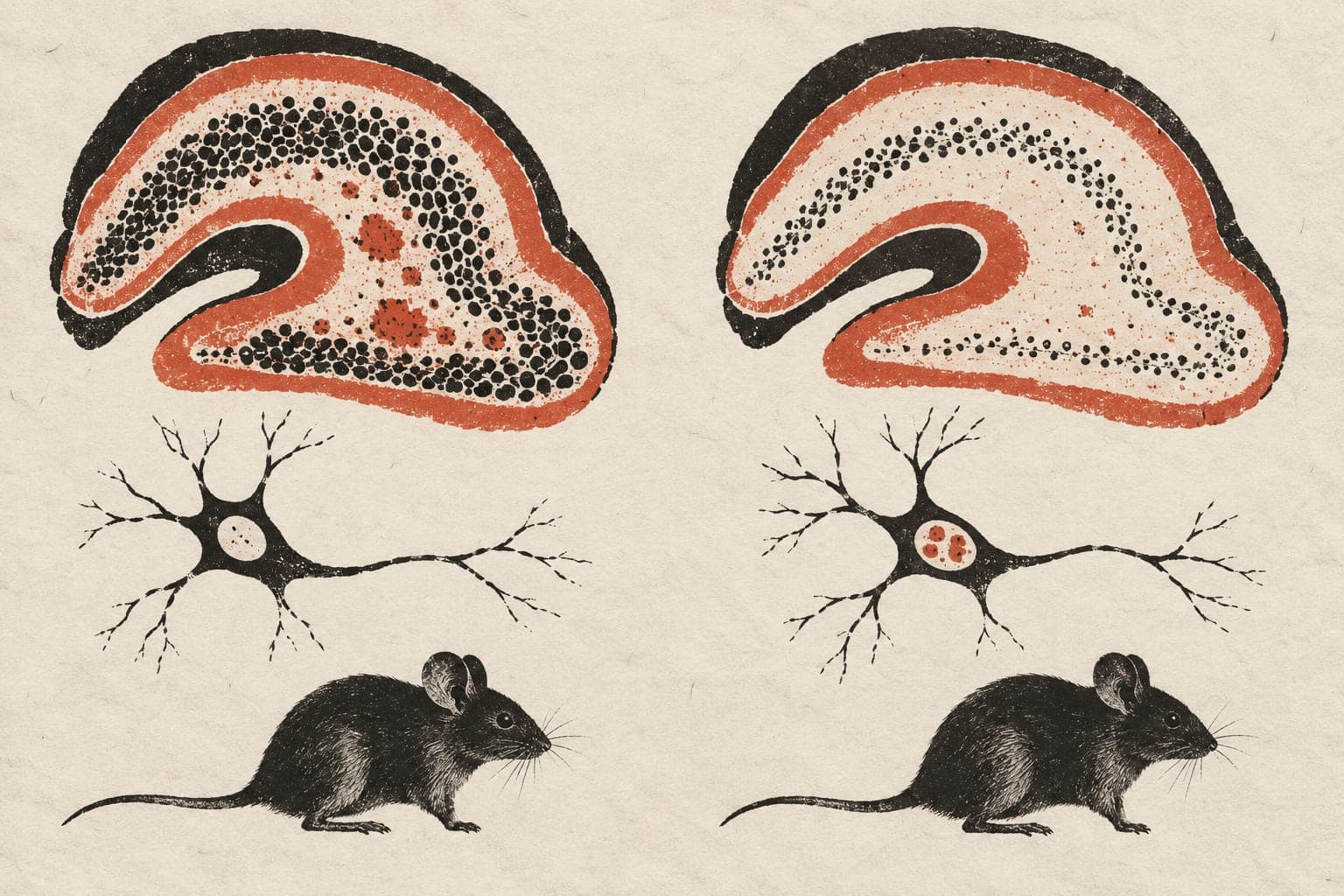
GABAA receptors containing α5-subunits (GABAAR-α5) cluster at both extrasynaptic and synaptic locations, interacting with the scaffold proteins radixin and gephyrin, respectively, and the re-localization of GABAAR-α5 influences GABAergic transmission. Here, we found that when early spatial memory deficits occurred in aged mice at 24 h after sevoflurane anesthesia, there was a re-localization of GABAAR-α5 that enhanced tonic inhibition and reduced the decay kinetics of miniature inhibitory postsynaptic currents in the hippocampal CA1 region. Mechanistically, increased phosphorylation of radixin at threonine 564 (Thr564) mediates the re-localization of GABAAR-α5. Acute treatment with the selective extrasynaptic GABAAR-α5 antagonist S44819 restored the GABAAR-α5-mediated inhibitory currents by reversing radixin phosphorylation-dependent GABAAR-α5 re-localization, then improved the sevoflurane-induced spatial memory impairment in aged mice. Our results suggest that the localization of GABAAR-α5 altered by sevoflurane is linked to unbalanced GABAergic transmission, which induces early memory impairment in aged mice. Modulating the GABAAR-α5 localization might be a novel strategy to improve memory after sevoflurane exposure.
The paper
Tianjin Medical University Cancer Institute and Hospital
Neuroscience Bulletin, 21 Jun 2025