Targeting the non-neuronal cholinergic machinery: A novel approach to mitigate cardiac aging
Abstract
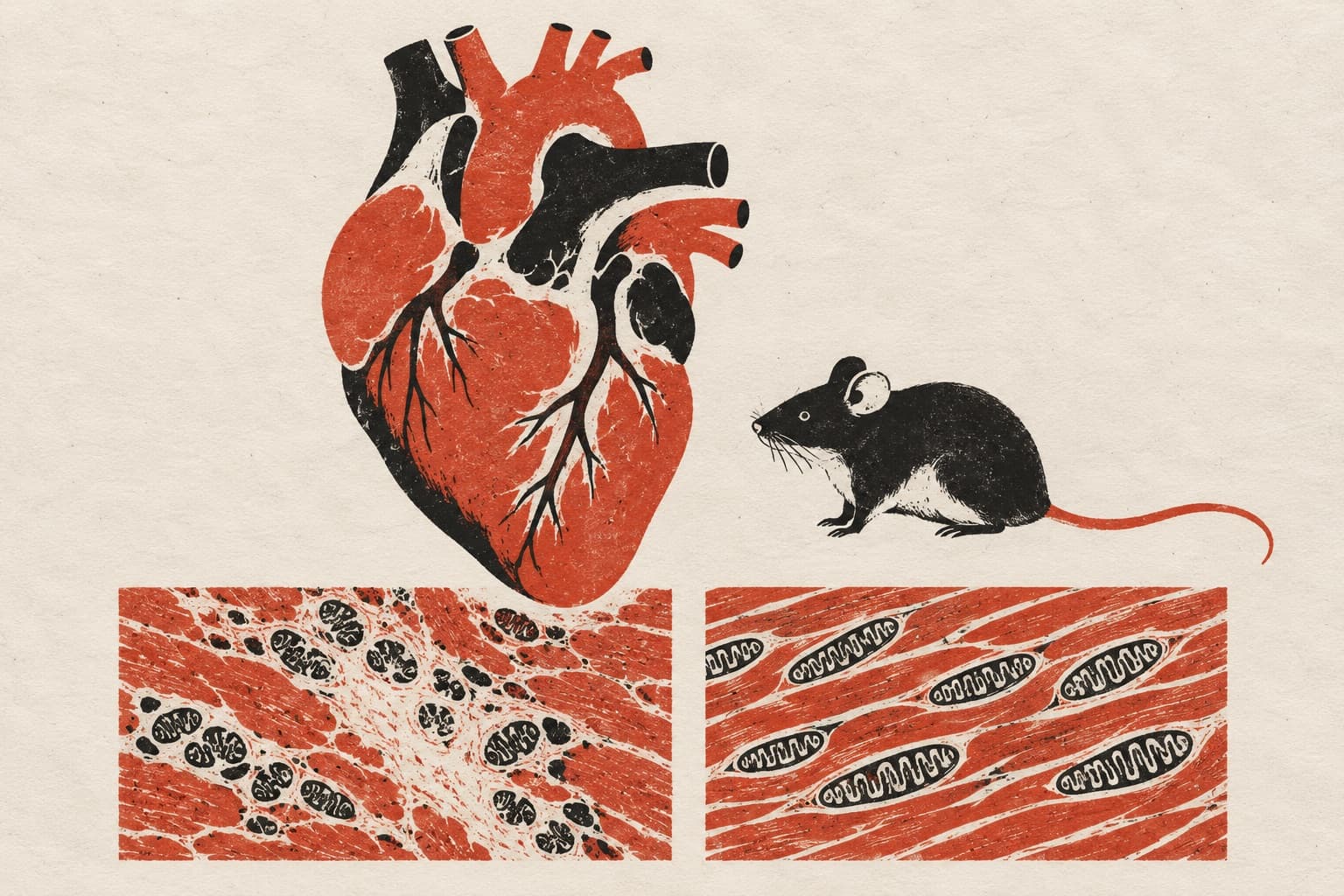
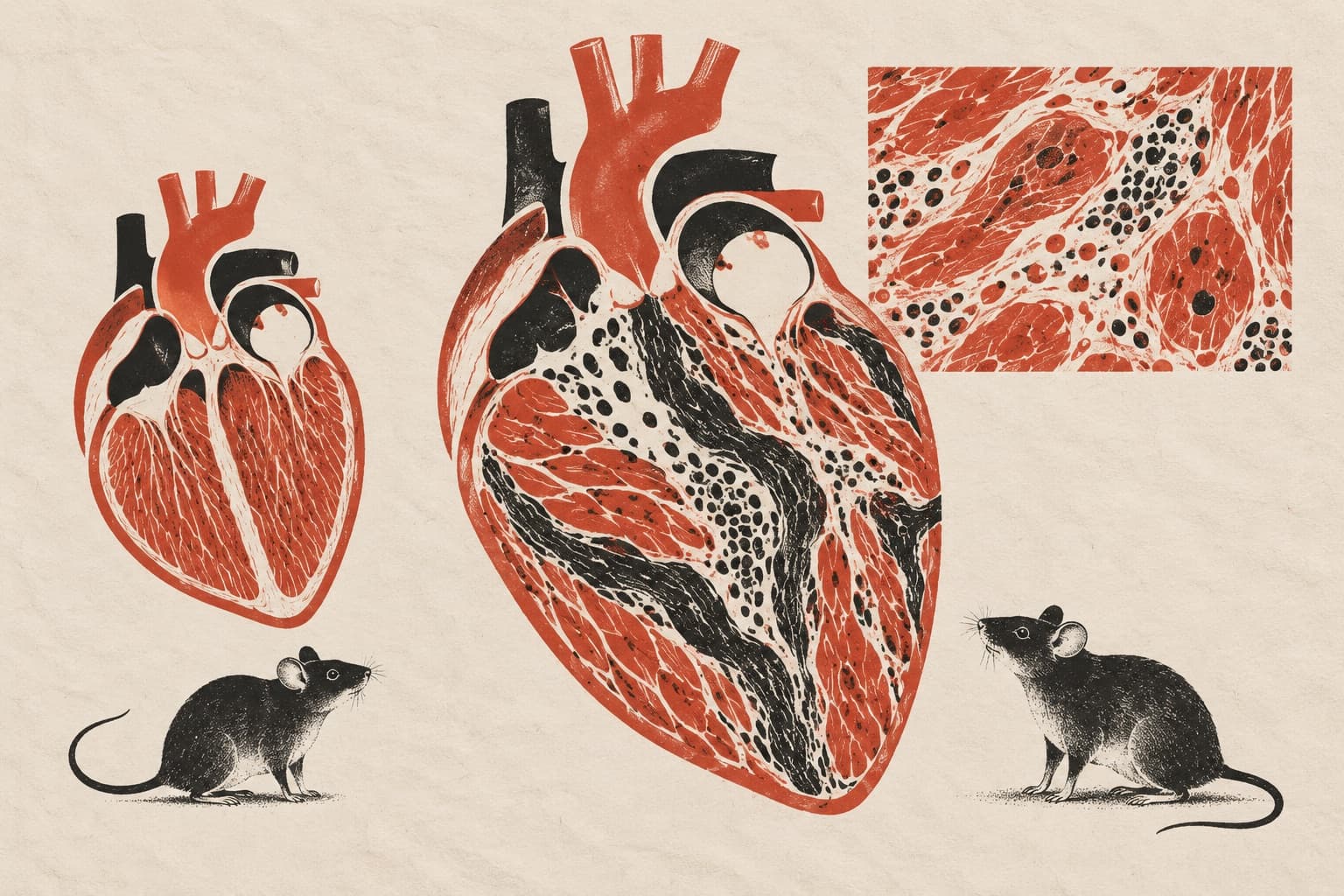
Acetylcholine (ACh) secreted by the non-neuronal cholinergic system (NNCS), an intrinsic system found in the mammalian heart, is not dependent on neuronal inputs for its synthesis. Accumulating evidence demonstrates that ACh exerts multifaceted cardioprotective effects through the NNCS. Under extreme stress or demand, ACh slows heart rate by modulating cardiac chronotropy. Simultaneously, it protects the myocardium from ischemic, hypoxic, and other stressors. Beyond its direct effects on the heart, ACh has also been found to play a vital role in controlling mitochondrial homeostasis via specific signaling pathways in hearts. Through these pathways, ACh induces mitochondrial biogenesis and the renewal of the mitochondrial network while suppressing the generation of reactive oxygen species (ROS) within the mitochondria. Aging weakens the cardiac NNCS, lowering the heart's local ACh availability. Reducing mitochondrial activity and ROS-related inflammatory stress are essential indicators of cardiac aging and related disorders. As individuals age, mitochondria become less efficient at generating sufficient ATP to sustain the heart's ability to pump oxygen-rich blood and reduce cardiac performance. Therefore, the exciting prospect of increasing ACh secretion or stabilizing ACh levels through therapeutic targeting of the NNCS may provide a beacon of hope in the fight against age-related cardiovascular disorders. Further elucidating the mechanisms by which the NNCS regulates cardiac function through mitochondria may develop a novel treatment that rejuvenates the properties of this evolutionarily conserved system of the heart.
The paper
National Institute of Pharmaceutical Education and Research
Ageing Research Reviews, 22 May 2025