The role of granulosa cells in oocyte development and aging: Mechanisms and therapeutic opportunities
Abstract
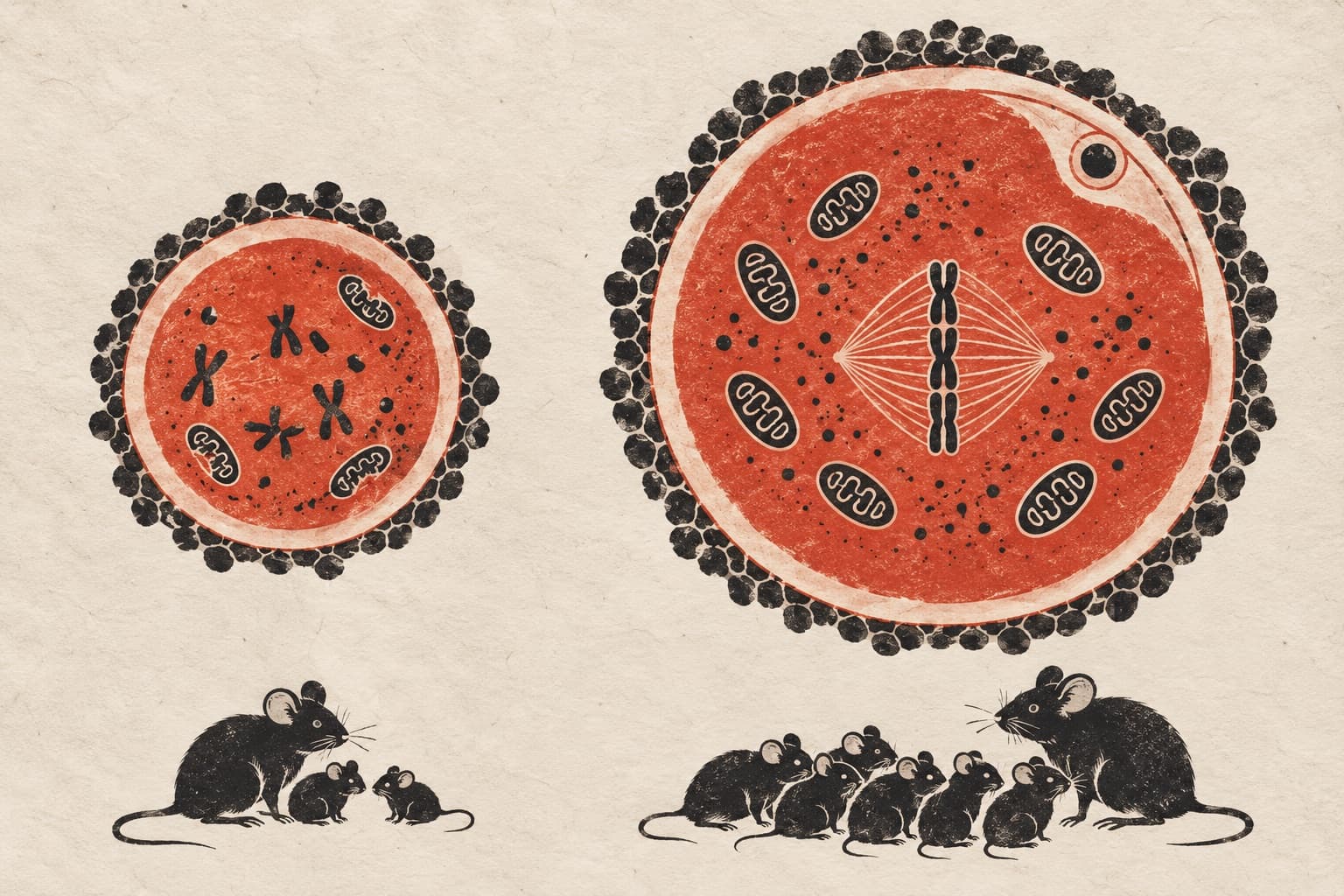
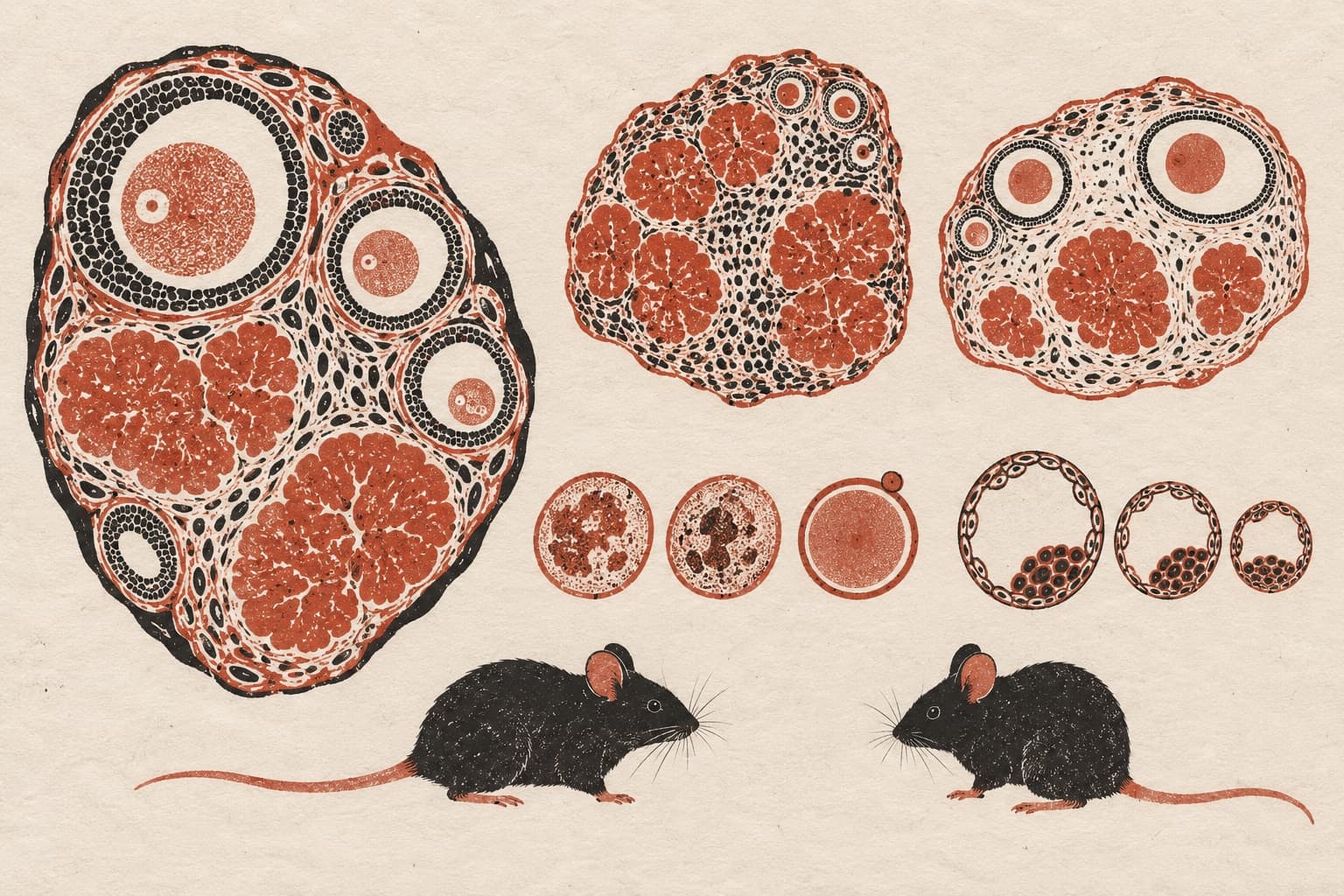
Granulosa cells (GCs) are essential for oocyte maturation, providing metabolic support, hormonal signaling, and structural integrity critical to successful follicular development. However, advancing age disrupts these functions, driven by factors such as increased oxidative stress, mitochondrial dysfunction, and transcriptomic and proteomic alterations. These age-related changes in GCs contribute to compromised oocyte quality, diminished follicular support, and a decline in fertility, particularly in women of advanced maternal age. This review highlights recent progress in understanding the pivotal roles of GCs in maintaining oocyte health, with a focus on the mechanisms underlying their aging-related dysfunction. Furthermore, we explore promising therapeutic strategies, including antioxidant therapies, metabolic modulators, and GC-based rejuvenation techniques, aimed at mitigating the impacts of reproductive aging. By consolidating and analyzing existing research, this review provides valuable perspectives on fertility preservation and factors shaping reproductive outcomes in women of advanced maternal age.
The paper
National University of Singapore
Seminars in Cell & Developmental Biology, 28 Apr 2025