Neurodegenerative and Neurodevelopmental Roles for Bulk Lipid Transporters VPS13A and BLTP2
Abstract
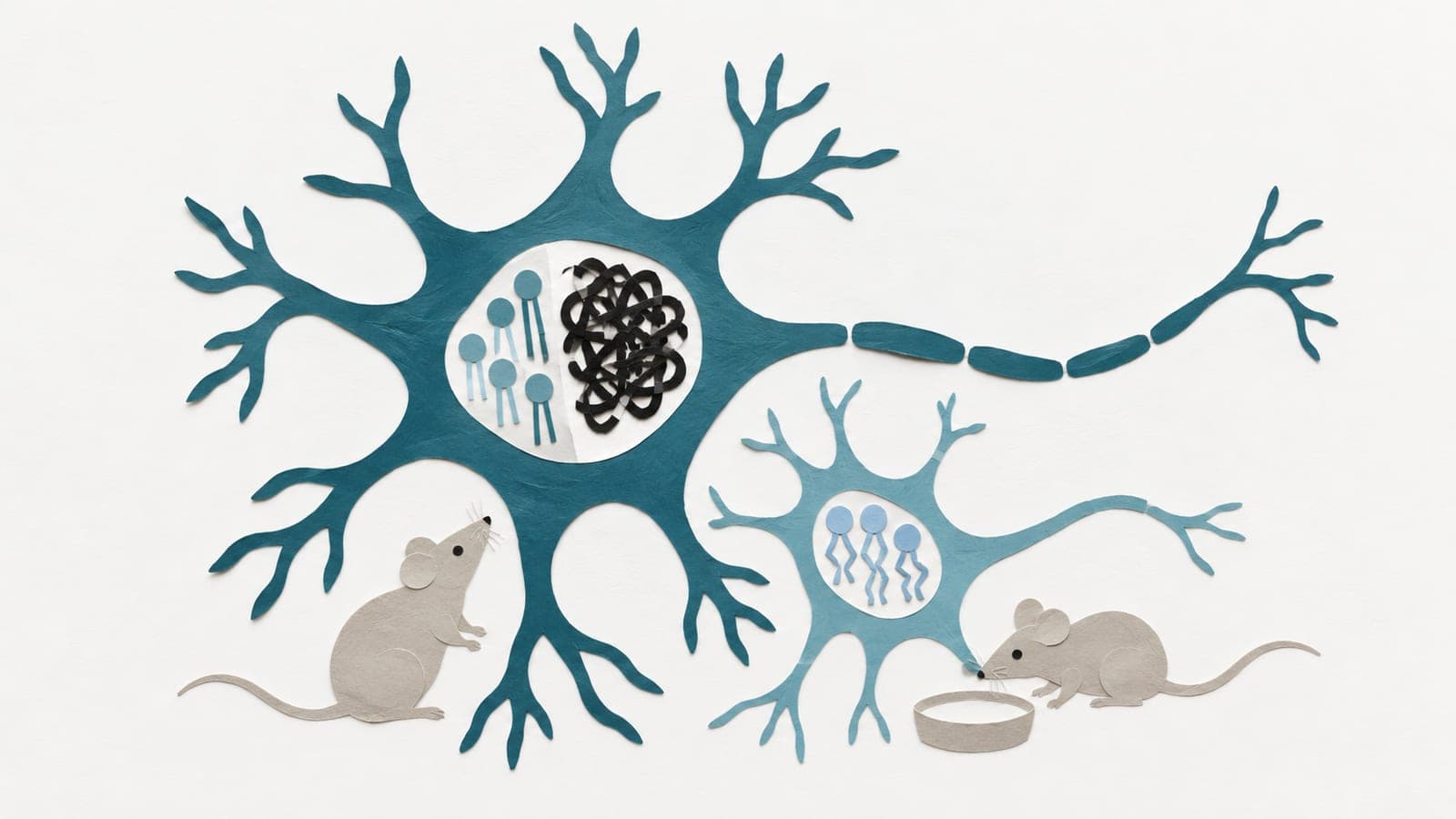
BACKGROUND: Bridge-like lipid transfer proteins (BLTPs) mediate bulk lipid transport at membrane contact sites. Mutations in BLTPs are linked to both early-onset neurodevelopmental and later-onset neurodegenerative diseases, including movement disorders. The tissue specificity and temporal requirements of BLTPs in disease pathogenesis remain poorly understood. OBJECTIVE: The objective of this study was to determine tissue-specific and aging-dependent roles for VPS13A and BLTP2 using Drosophila models. METHODS: We generated tissue-specific knockdowns of the VPS13A ortholog (Vps13) and the BLTP2 ortholog (hobbit) in neurons and muscles of Drosophila. We analyzed age-dependent locomotor behavior, neurodegeneration, and synapse development and function. RESULTS: Neuron-specific loss of the VPS13A ortholog caused neurodegeneration followed by aging-dependent movement deficits and reduced lifespan, whereas muscle-specific loss affected only lifespan. In contrast, neuronal loss of the BLTP2 ortholog resulted in severe early-onset locomotor defects without neurodegeneration, whereas muscle loss impaired synaptogenesis and neurotransmission at the neuromuscular junction. CONCLUSIONS: VPS13A maintains neuronal survival, whereas BLTP2 orchestrates synaptic development. The phenotypic specificity of BLTP function provides mechanistic insights into distinct disease trajectories for BLTP-associated disorders. © 2025 The Author(s). Movement Disorders published by Wiley Periodicals LLC on behalf of International Parkinson and Movement Disorder Society.
The paper
University of Wisconsin–Madison
Movement Disorders, 28 Mar 2025, Open access