Comparative analysis of transcriptomic profiles of mesenchymal stem cells at the onset of senescence and after exposure to acute exogenous oxidative stress
Abstract
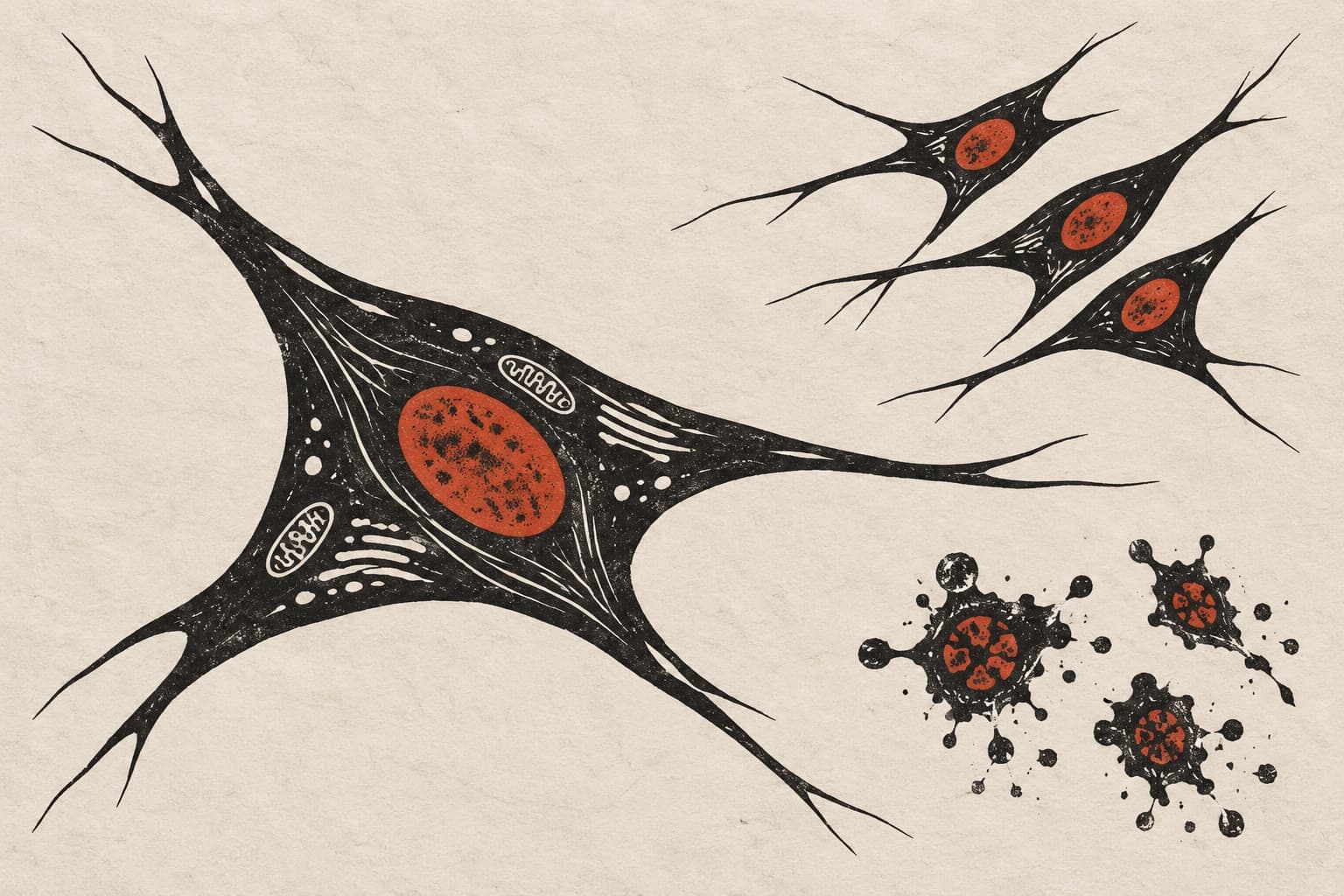
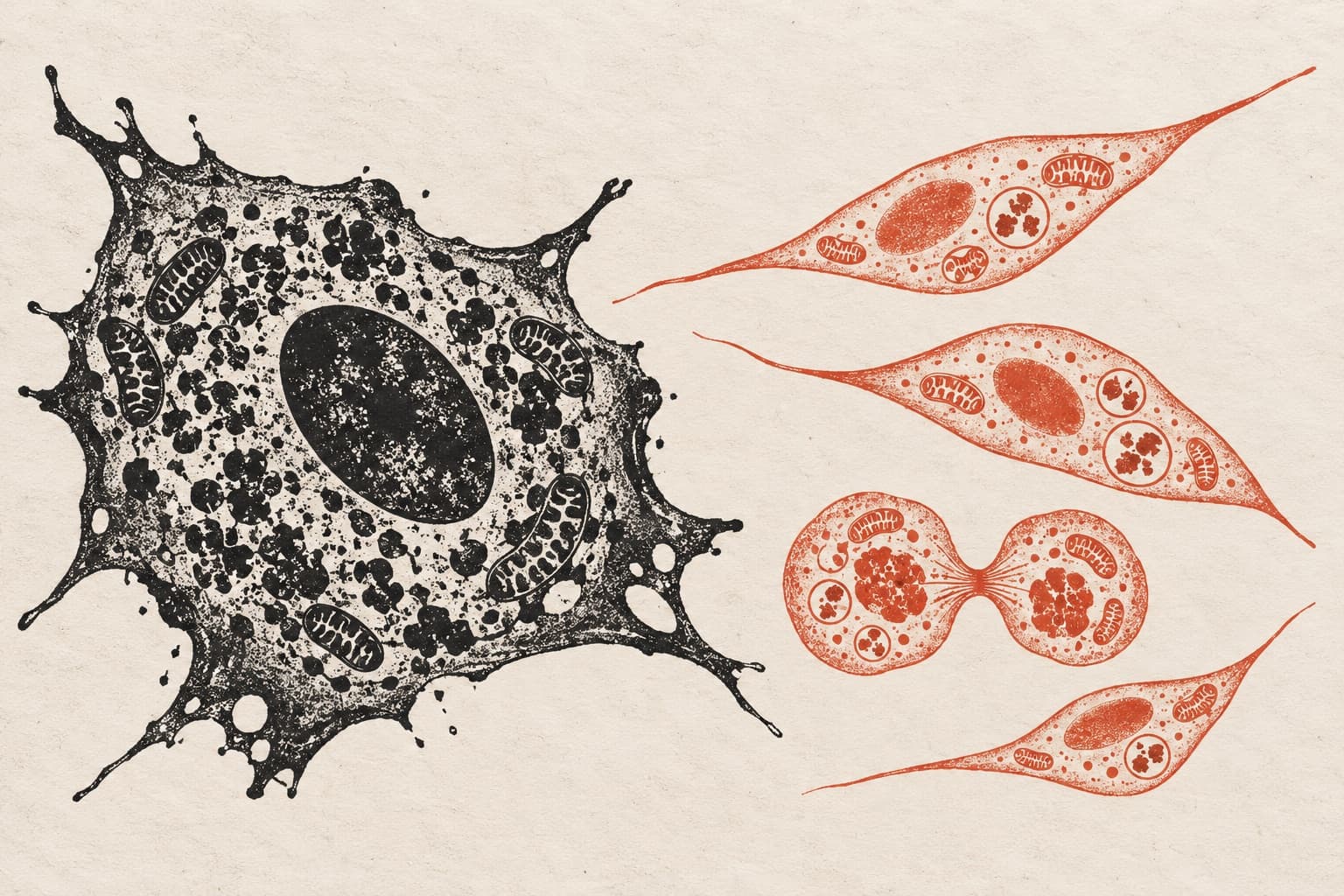
Cellular senescence can be triggered by a wide range of stress-inducing factors, including environmental and internal damaging events, such as oxidative stress. Moreover, stressed and senescent cells exhibit modifications in their transcriptional expression profile, but little is known regarding the common genes and pathways regulating these processes. Here, we analyzed the effects of long-term culture as well as exogenous acute oxidative stress on the transcriptional program of Wharton's jelly mesenchymal stem cells (WJ-MSCs). We demonstrate that, exposure to H₂O₂ compromised genomic stability and mitochondrial function in early passage WJ-MSCs, potentially initiating senescence to prevent cellular transformation. On the other hand, prolonged in vitro expansion of WJ-MSCs activated processes linked to integrins and extracellular matrix organization, possibly indicating the unfavorable consequences that senescence has on tissue integrity. Additionally, cells entering senescence and oxidative stressed young WJ-MSCs over-activated transcription factors related to permanent proliferative arrest and suppressed anti-senescence factors. Common differentially expressed genes in the late passage and H₂O₂-treated WJ-MSCs were implicated in DNA damage response and cell cycle arrest, which are known to trigger a senescent phenotype. Notably, the TP53INP1 gene emerged as a significantly upregulated gene in both late passage and H₂O₂-treated young WJ-MSCs, marking it as a potent senescence indicator. Silencing TP53INP1 mitigated the senescent phenotype, a role that appeared to be facilitated by autophagy regulation. Taken together, our results shed light on how transcriptomic changes govern MSCs' senescence program and identify key molecular drivers that could prove crucial for WJ-MSCs-based clinical applications.
The paper
University of Thessaly
Biochemical and Biophysical Research Communications, 19 Feb 2025, Open access