Multimorbidity clusters and their contribution to well-being among the oldest old: Results based on a nationally representative sample in Germany
Abstract
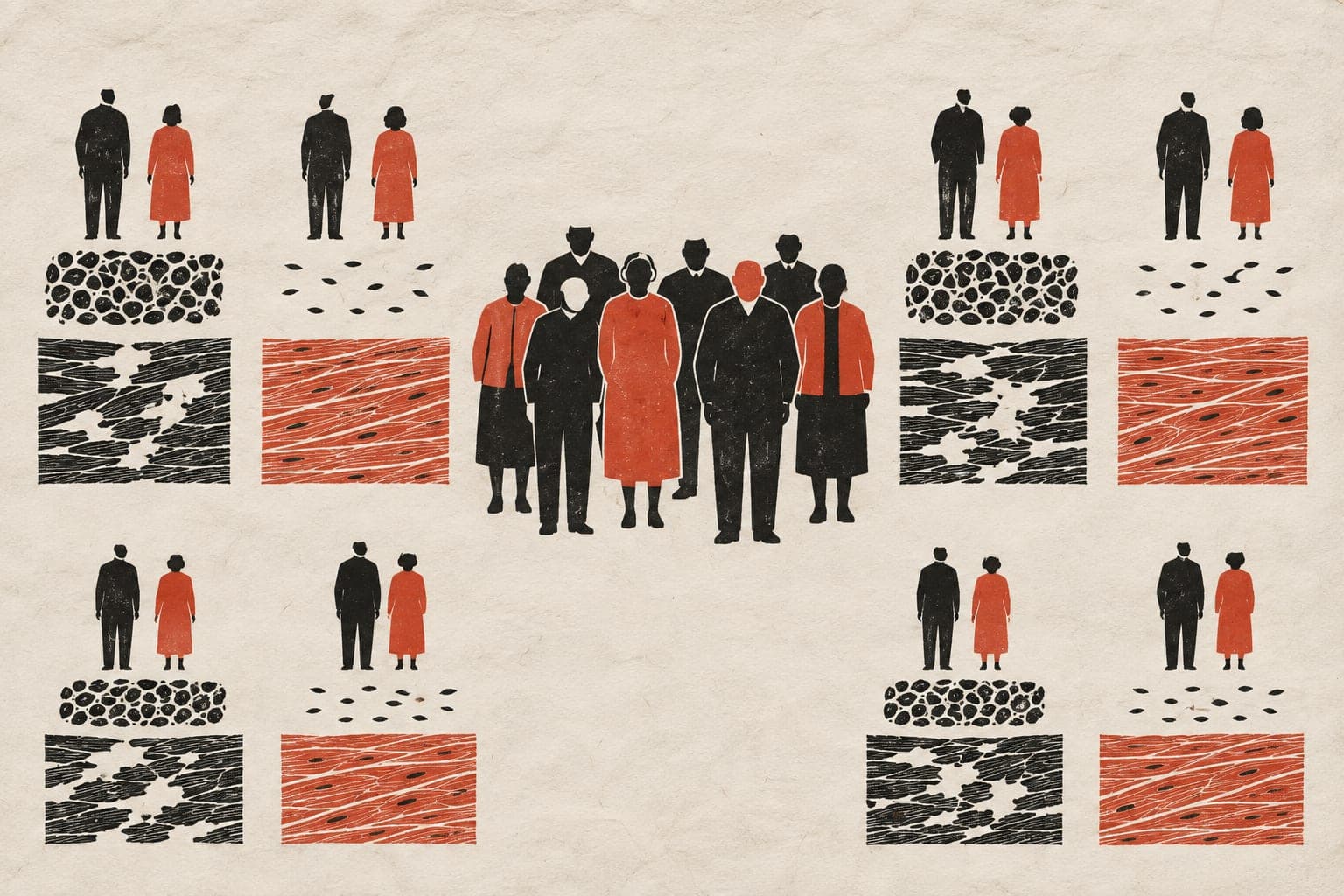
AIM: Our aim was to identify multimorbidity clusters and, in particular, to examine their contribution to well-being outcomes among the oldest old in Germany. METHODS: Data were taken from the large nationally representative D80+ study including community-dwelling and institutionalized individuals aged 80 years and over residing in Germany (n = 8,773). The mean age was 85.6 years (SD: 4.1). Based on 21 chronic conditions, latent class analysis was carried out to explore multimorbidity (≥2 chronic conditions) clusters. Widely used tools were applied to quantify well-being outcomes. RESULTS: Approximately nine out of ten people aged 80 and over living in Germany were multimorbid. Four multimorbidity clusters were identified: relatively healthy class (30.2 %), musculoskeletal class (44.8 %), mental illness class (8.6 %), and high morbidity class (16.4 %). Being part of the mental disorders cluster was consistently linked to reduced well-being (in terms of low life satisfaction, high loneliness and lower odds of meaning in life), followed by membership in the high morbidity cluster. CONCLUSIONS: Four multimorbidity clusters were detected among the oldest old in Germany. Particularly belonging to the mental disorders cluster is consistently associated with low well-being, followed by belonging to the high morbidity cluster. This stresses the need for efforts to target such vulnerable groups, pending future longitudinal research.
The paper
University Medical Center Hamburg-Eppendorf
Archives of Gerontology and Geriatrics, 15 Dec 2024, Open access