Inflammaging: the signaling role of p65 protein from the NF-κB family
Abstract
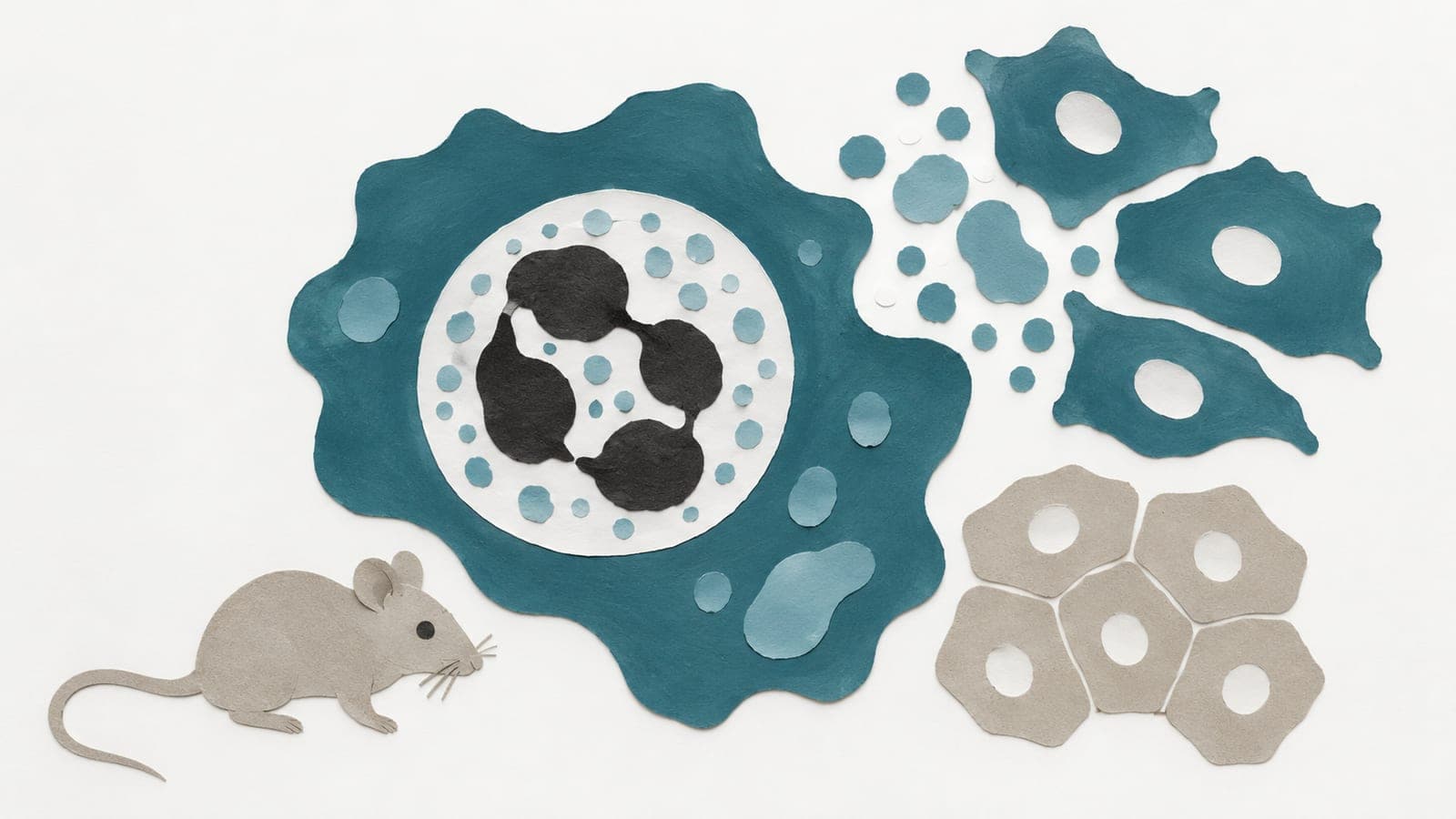
Inflamaging is a chronic, low-grade inflammation that occurs due to a disruption in the regulation of the immune system during the aging process. This condition is associated with an increased risk of age-related illnesses, such as cardiovascular disease, neurodegenerative conditions, and metabolic disorders. Transcription factor NF-κB is one of the primary regulators of innate and adaptive immune responses, and its activation leads to the production of pro-inflammatory cytokines and chemokines that contribute to inflamaging. Understanding the age-related alterations in the levels of proteins from the NF-κB family will help us to better comprehend the mechanisms underlying inflamaging and develop more effective treatments for chronic inflammation. The quantification of this biomolecule in lymphocytes and oral epithelial cells could serve as a basis for a minimally invasive screening test for inflamaging diagnosis.
The paper
St Petersburg University; St. Petersburg Institute of Bioregulation and Gerontology
Advances in Gerontology, 1 Jan 2024