The role of mitochondria in cytokine and chemokine signalling during ageing
Abstract
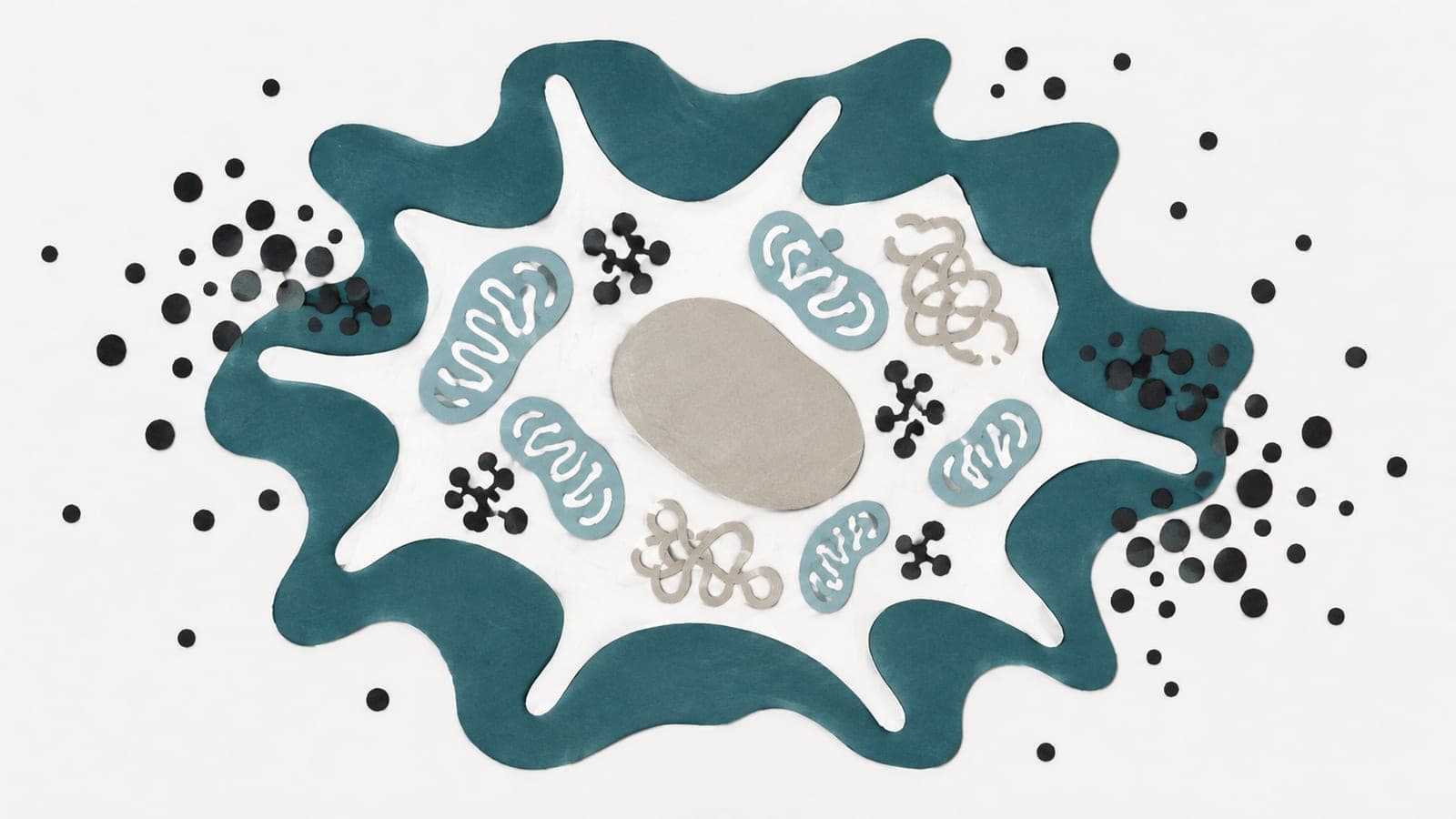
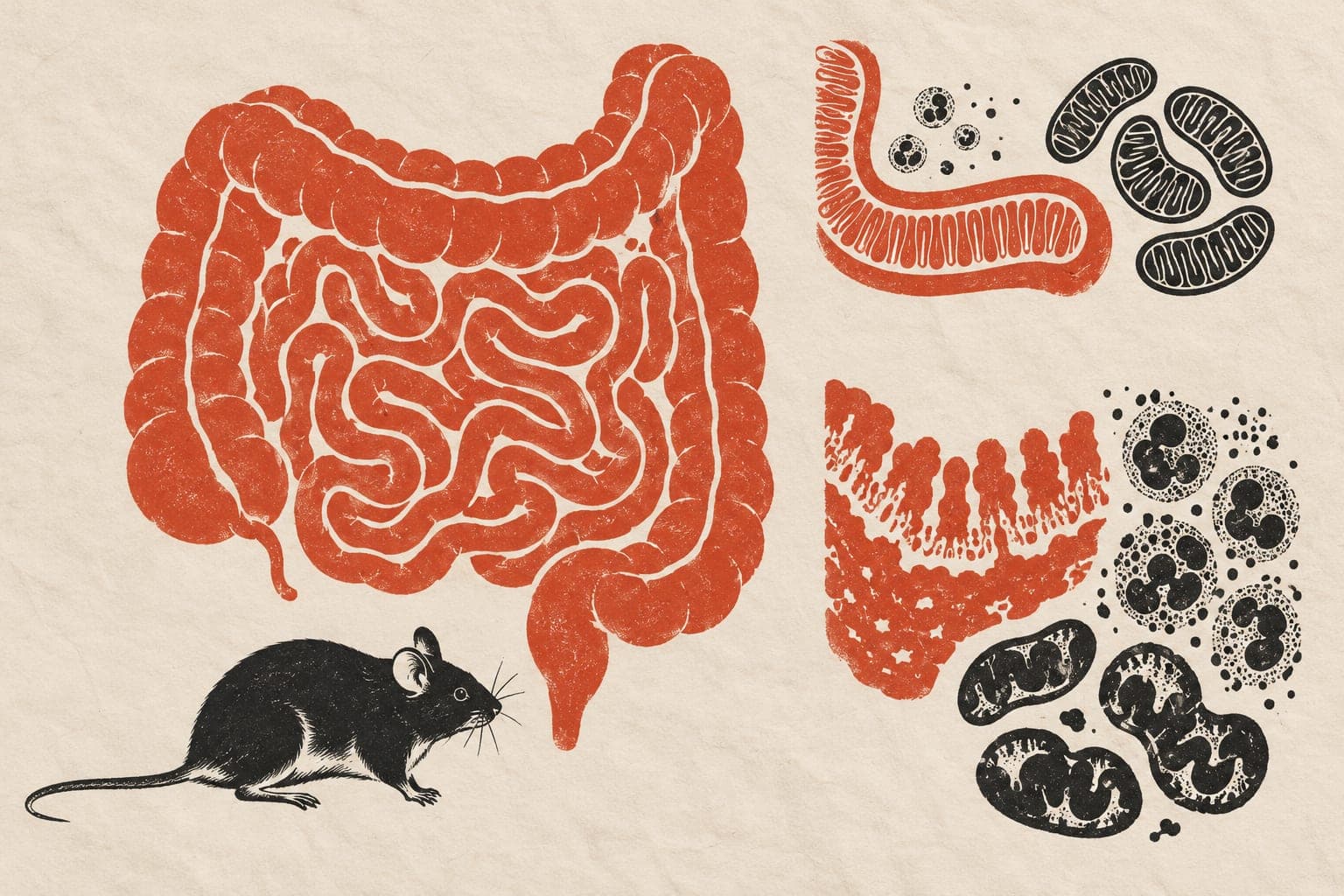
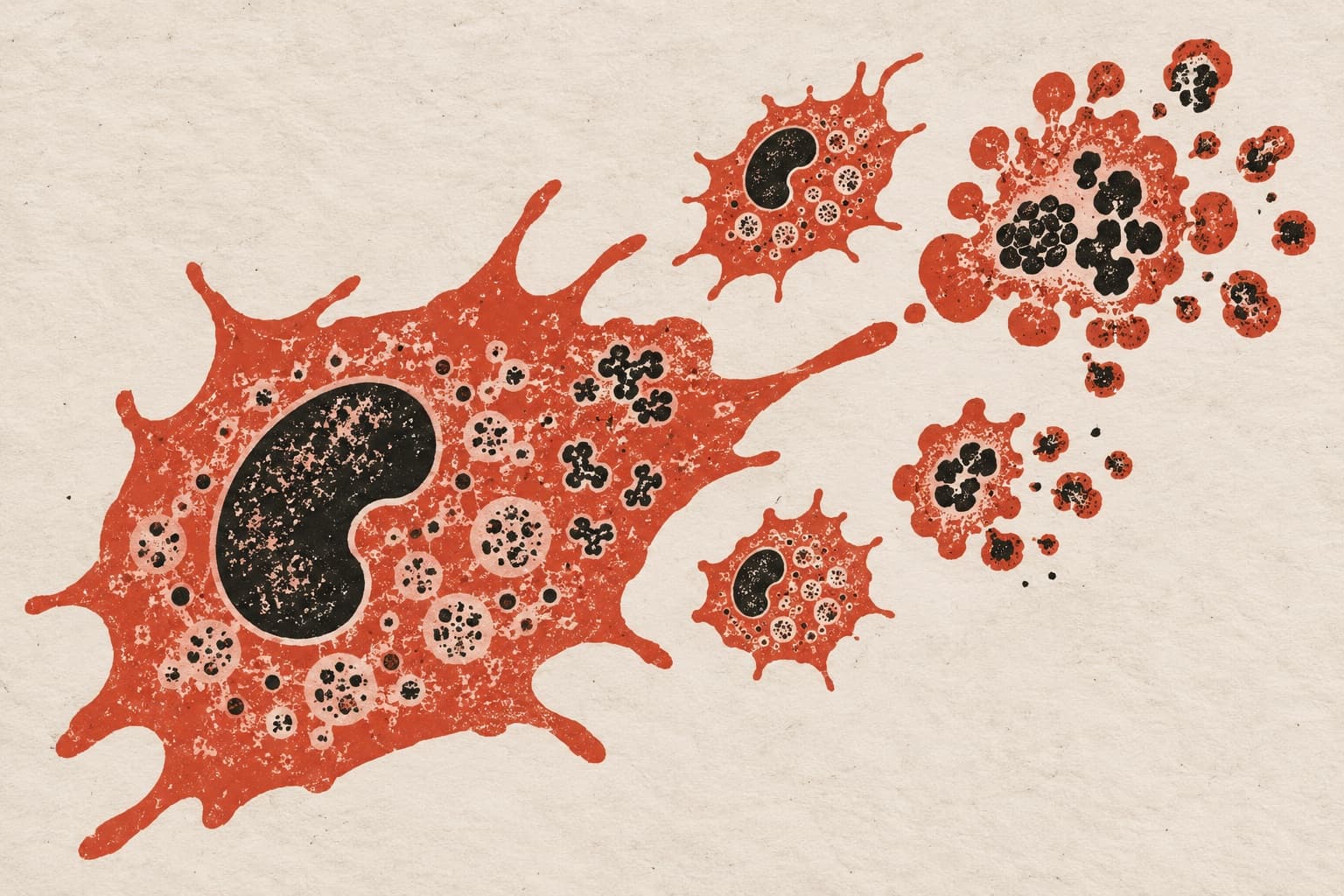
Ageing is accompanied by a persistent, low-level inflammation, termed "inflammageing", which contributes to the pathogenesis of age-related diseases. Mitochondria fulfil multiple roles in host immune responses, while mitochondrial dysfunction, a hallmark of ageing, has been shown to promote chronic inflammatory states by regulating the production of cytokines and chemokines. In this review, we aim to disentangle the molecular mechanisms underlying this process. We describe the role of mitochondrial signalling components such as mitochondrial DNA, mitochondrial RNA, N-formylated peptides, ROS, cardiolipin, cytochrome c, mitochondrial metabolites, potassium efflux and mitochondrial calcium in the age-related immune system activation. Furthermore, we discuss the effect of age-related decline in mitochondrial quality control mechanisms, including mitochondrial biogenesis, dynamics, mitophagy and UPRmt, in inflammatory states upon ageing. In addition, we focus on the dynamic relationship between mitochondrial dysfunction and cellular senescence and its role in regulating the secretion of pro-inflammatory molecules by senescent cells. Finally, we review the existing literature regarding mitochondrial dysfunction and inflammation in specific age-related pathological conditions, including neurodegenerative diseases (Alzheimer's and Parkinson's disease, and amyotrophic lateral sclerosis), osteoarthritis and sarcopenia.
The paper
Foundation for Research and Technology Hellas; University of Crete
Mechanisms of Ageing and Development, 20 Sep 2024