Joint and Individual Mitochondrial DNA Variation and Cognitive Outcomes in Black and White Older Adults
Abstract
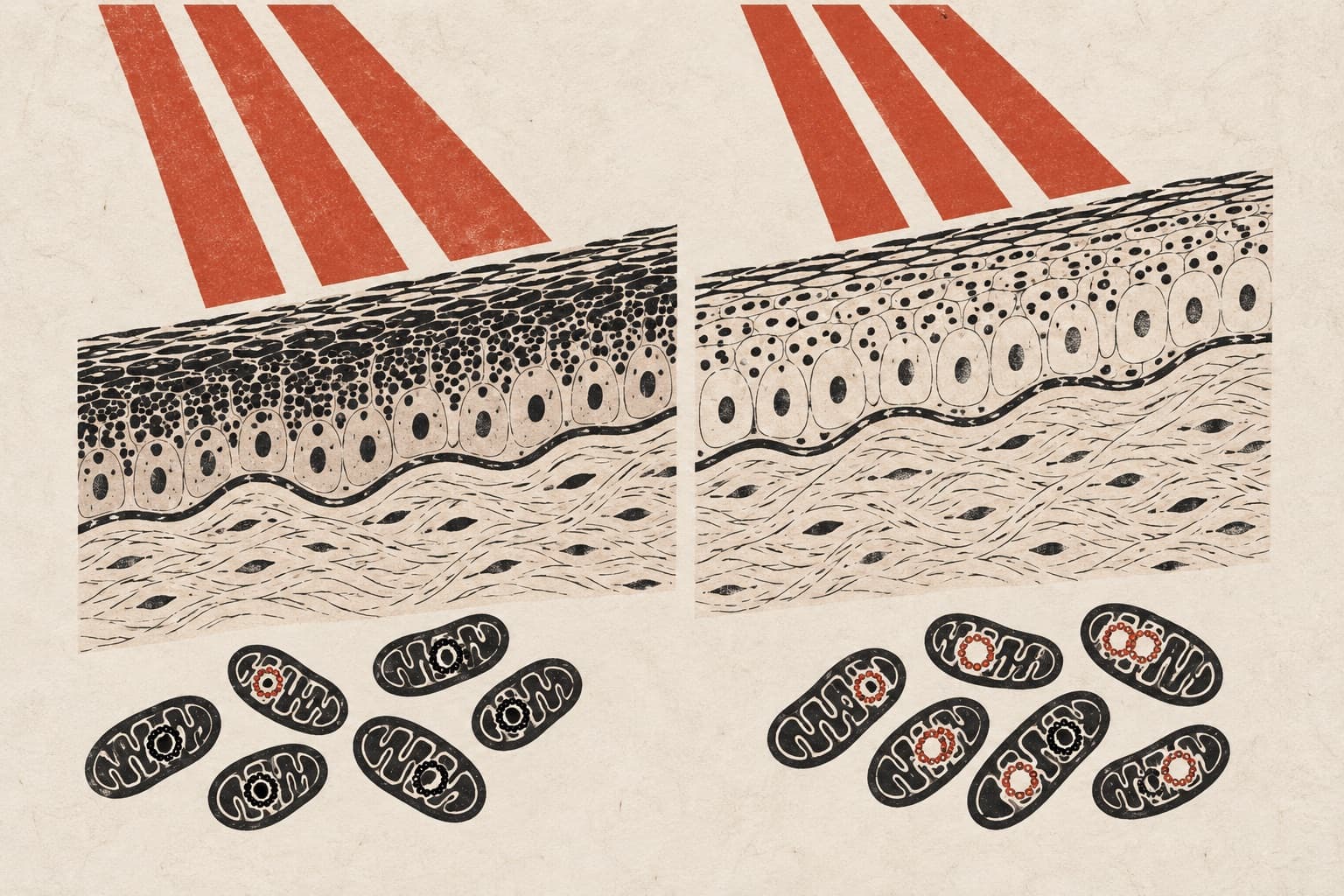
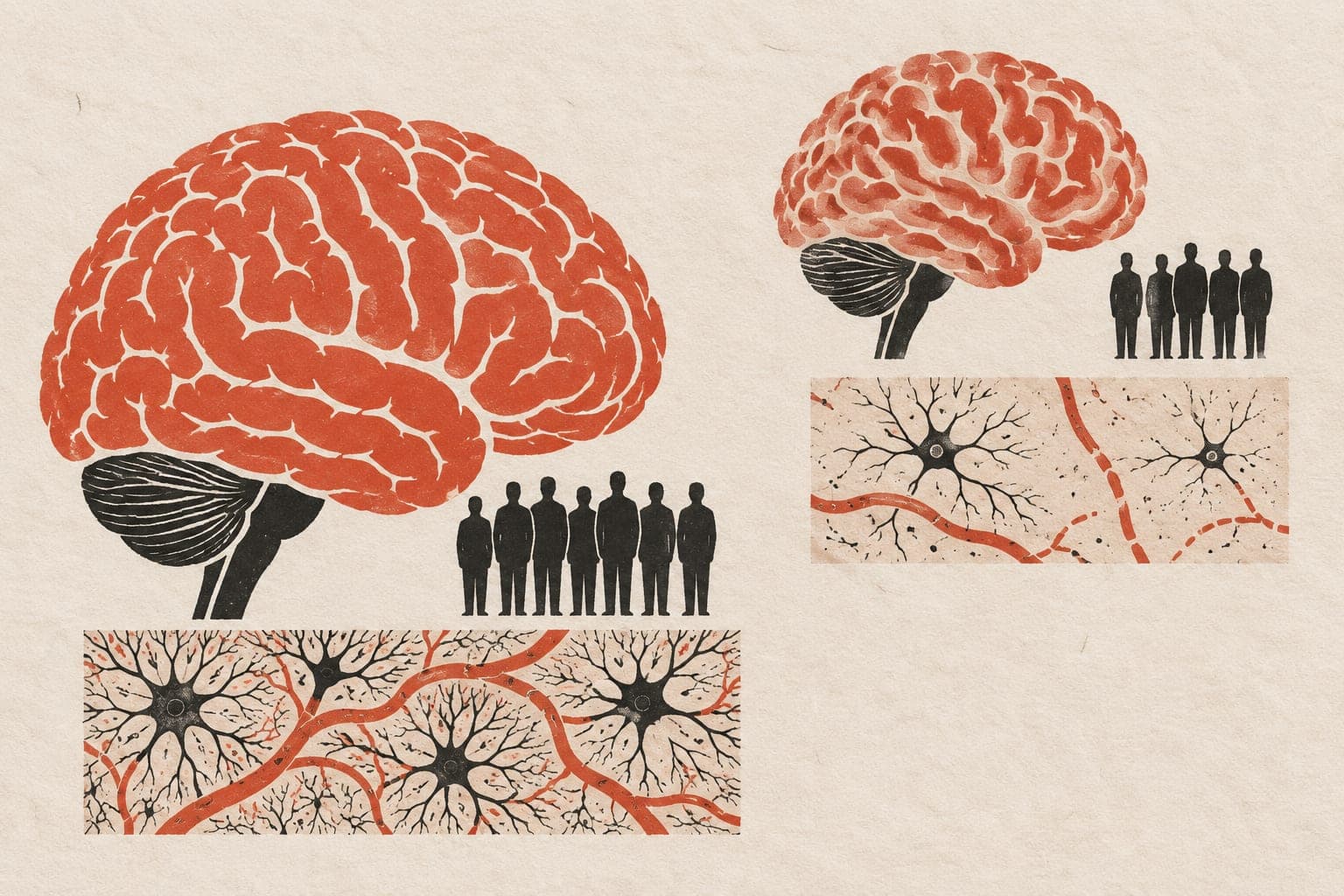
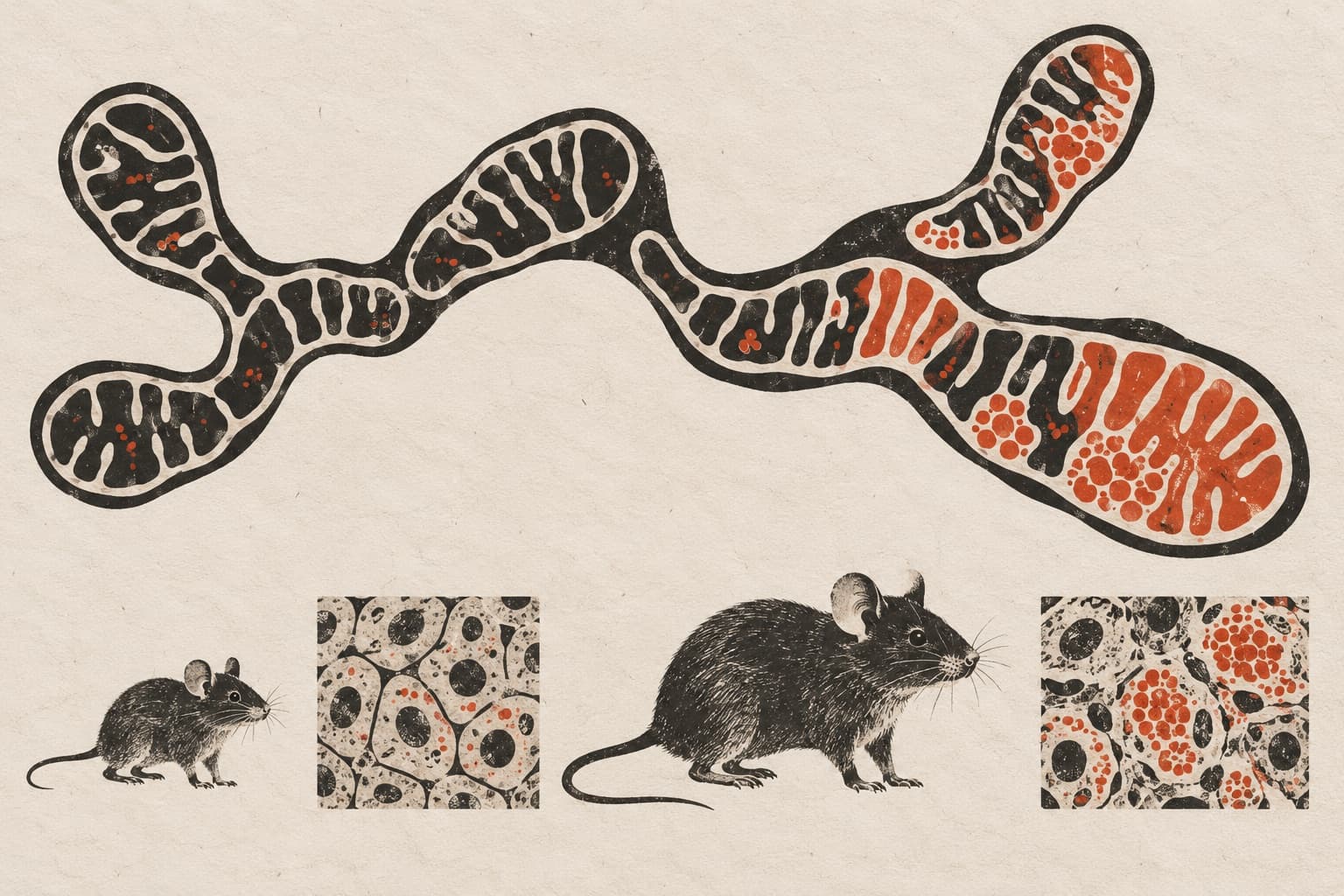
BACKGROUND: Mitochondrial dysfunction manifests in neurodegenerative diseases and other age-associated disorders. In this study, we examined variation in inherited mitochondrial DNA (mtDNA) sequences in Black and White participants from 2 large aging studies to identify variants related to cognitive function. METHODS: Participants included self-reported Black and White adults aged ≥70 years in the Lifestyle Interventions and Independence for Elders (LIFE; N = 1 319) and Health Aging and Body Composition (Health ABC; N = 788) studies. Cognitive function was measured by the Digit-Symbol Substitution Test (DSST), and the Modified Mini-Mental State Examination (3MSE) at baseline and over follow-up in LIFE (3.6 years) and Health ABC (10 years). We examined the joint effects of multiple variants across 16 functional mitochondrial regions with cognitive function using a sequence kernel association test. Based on these results, we prioritized meta-analysis of common variants in Black and White participants using mixed effects models. A Bonferroni-adjusted p value of <.05 was considered statistically significant. RESULTS: Joint variation in subunits ND1, ND2, and ND5 of Complex I, 12S RNA, and hypervariable region (HVR) were significantly associated with DSST and 3MSE at baseline. In meta-analyses among Black participants, variant m.4216T>C, ND1 was associated with a faster decline in 3MSE, and variant m.462C>T in the HVR was associated with a slower decline in DSST. Variant m.5460G>C, ND2 was associated with slower and m.182C>T in the HVR was associated with faster decline in 3MSE in White participants. CONCLUSIONS: Among Black and White adults, oxidative phosphorylation Complex I variants were associated with cognitive function.
The paper
Stanford Medicine; University of California, San Francisco
The Journals of Gerontology, Series A, 15 Jul 2024, Open access