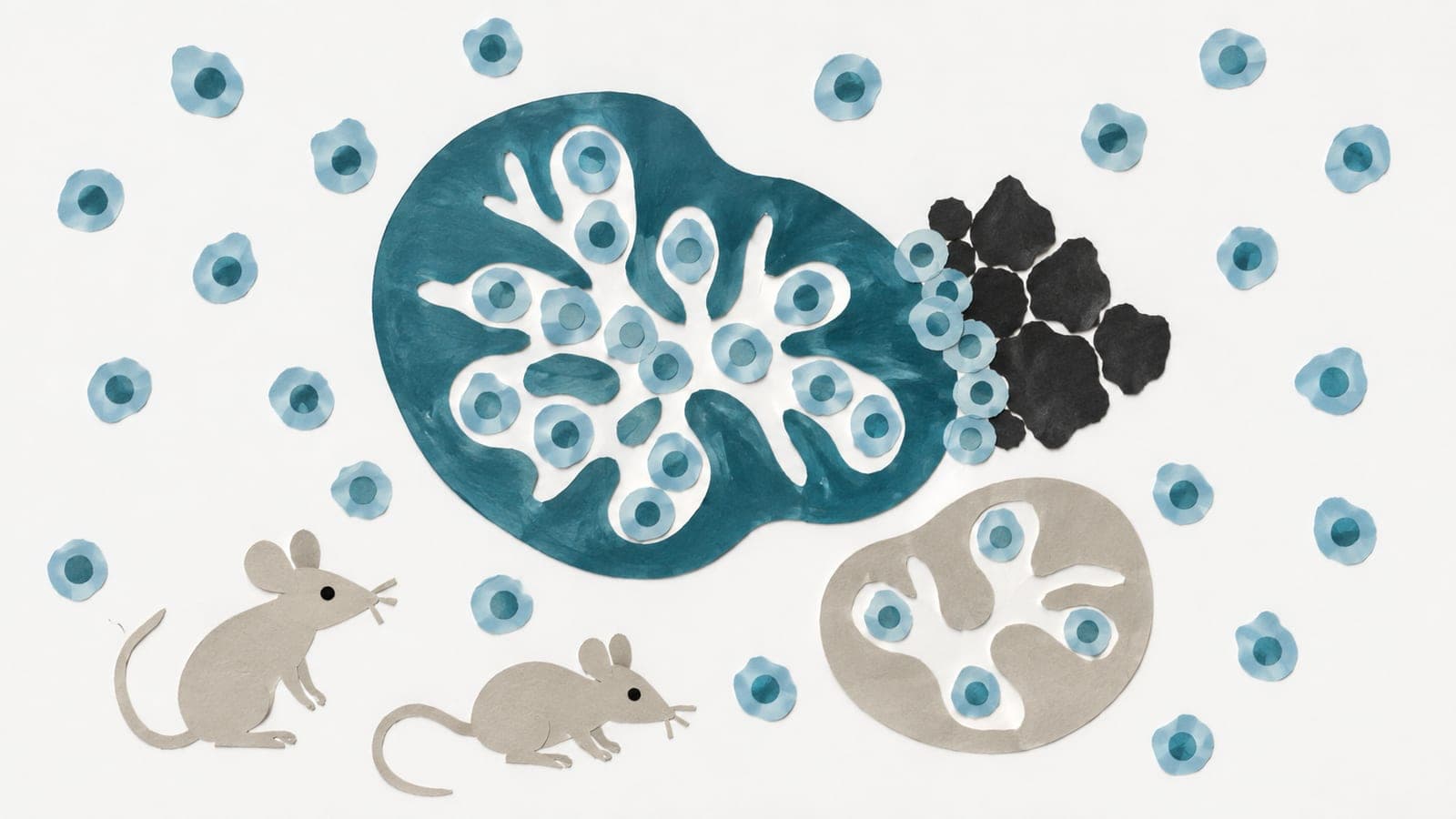
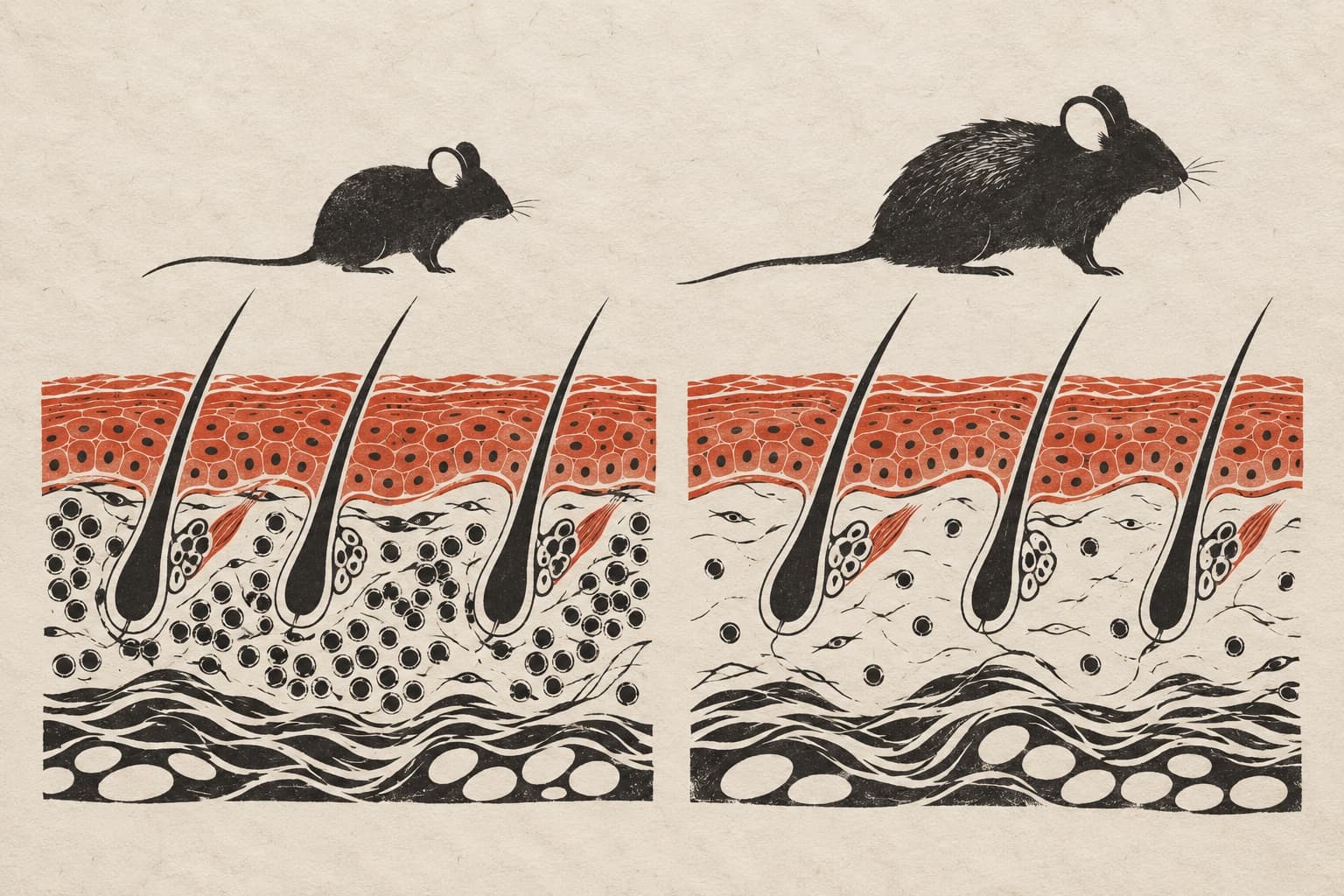
PD1 blockade improves survival and CD8⁺ cytotoxic capacity, without increasing inflammation, during normal microbial experience in old mice
Abstract
By 2030, individuals 65 years of age or older will make up approximately 20% of the world's population¹. Older individuals are at the highest risk for mortality from infections, largely due to the pro-inflammatory, dysfunctional immune response, which is collectively known as immunosenescence². During aging, CD8⁺ T cells acquire an exhausted phenotype, including increased expression of inhibitory receptors, such as programmed cell death 1 (PD1), a decline in effector function and elevated expression of inflammatory factors³⁻⁷. PD1 reduces T cell receptor activity via SHP2-dependent dephosphorylation of multiple pathways; accordingly, inhibiting PD1 activity through monoclonal antibodies increases CD8⁺ T cell effector response in young mice⁸⁻¹¹. Attempts to improve CD8⁺ T cell responses by blocking inhibitory receptors are attractive; however, they can lead to adverse immune events due to overamplification of T cell receptor signaling and T cell activation12,13. Here we investigated the effect of monoclonal anti-PD1 immunotherapy during normal microbial experience, otherwise known as exposure to dirty mice, to determine whether it either improves exhausted CD8⁺ T cell responses in old mice or leads to a heightened inflammatory response and increased mortality.