Sulfur amino acid supplementation displays therapeutic potential in a C. elegans model of Duchenne muscular dystrophy
Abstract
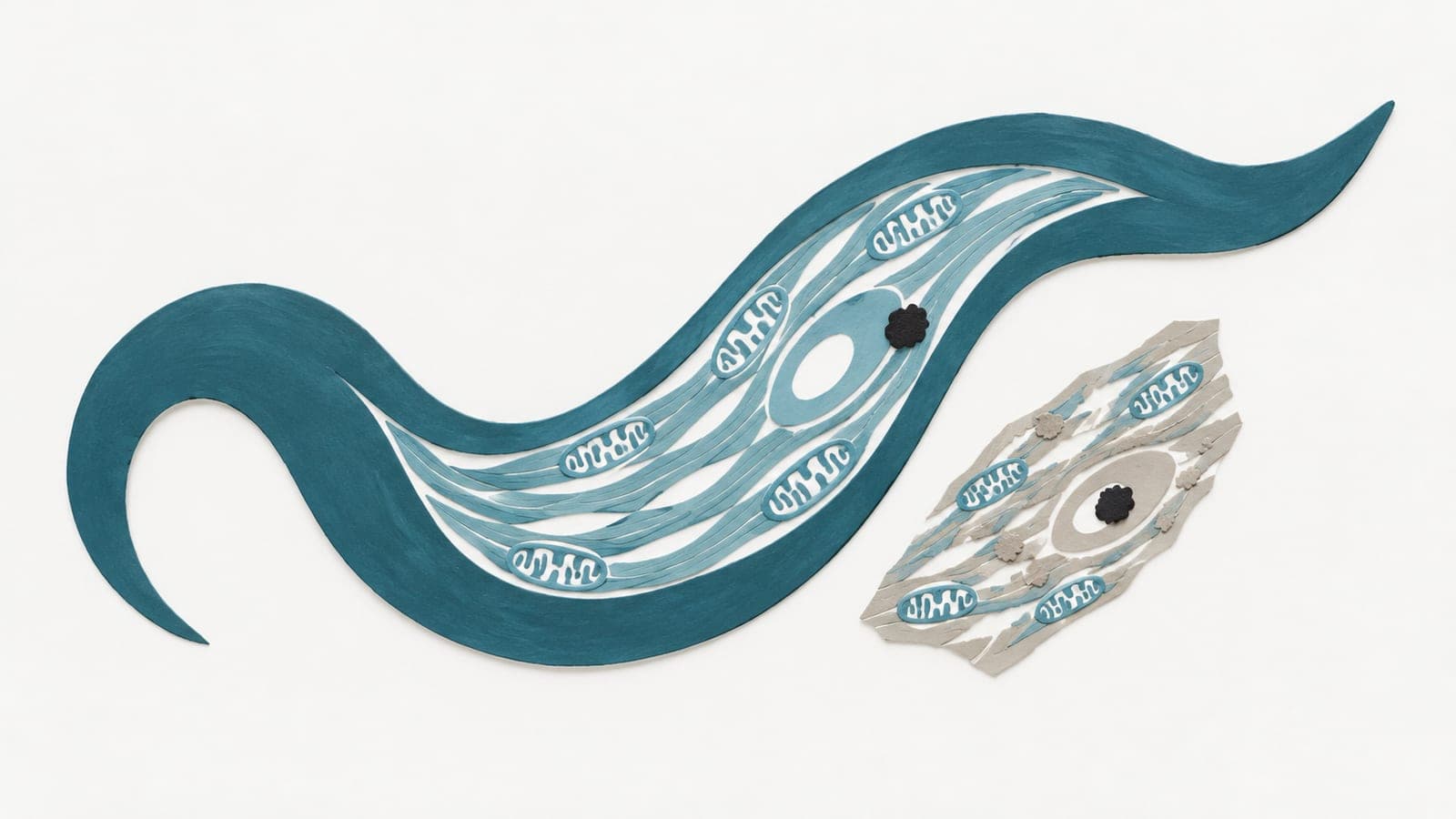
Mutations in the dystrophin gene cause Duchenne muscular dystrophy (DMD), a common muscle disease that manifests with muscle weakness, wasting, and degeneration. An emerging theme in DMD pathophysiology is an intramuscular deficit in the gasotransmitter hydrogen sulfide (H₂S). Here we show that the C. elegans DMD model displays reduced levels of H₂S and expression of genes required for sulfur metabolism. These reductions can be offset by increasing bioavailability of sulfur containing amino acids (L-methionine, L-homocysteine, L-cysteine, L-glutathione, and L-taurine), augmenting healthspan primarily via improved calcium regulation, mitochondrial structure and delayed muscle cell death. Additionally, we show distinct differences in preservation mechanisms between sulfur amino acid vs H₂S administration, despite similarities in required health-preserving pathways. Our results suggest that the H₂S deficit in DMD is likely caused by altered sulfur metabolism and that modulation of this pathway may improve DMD muscle health via multiple evolutionarily conserved mechanisms.
The paper
University of Nottingham
Communications Biology, Nov 16, 2022, Open access