Evolutionary Approaches in Aging Research
Abstract
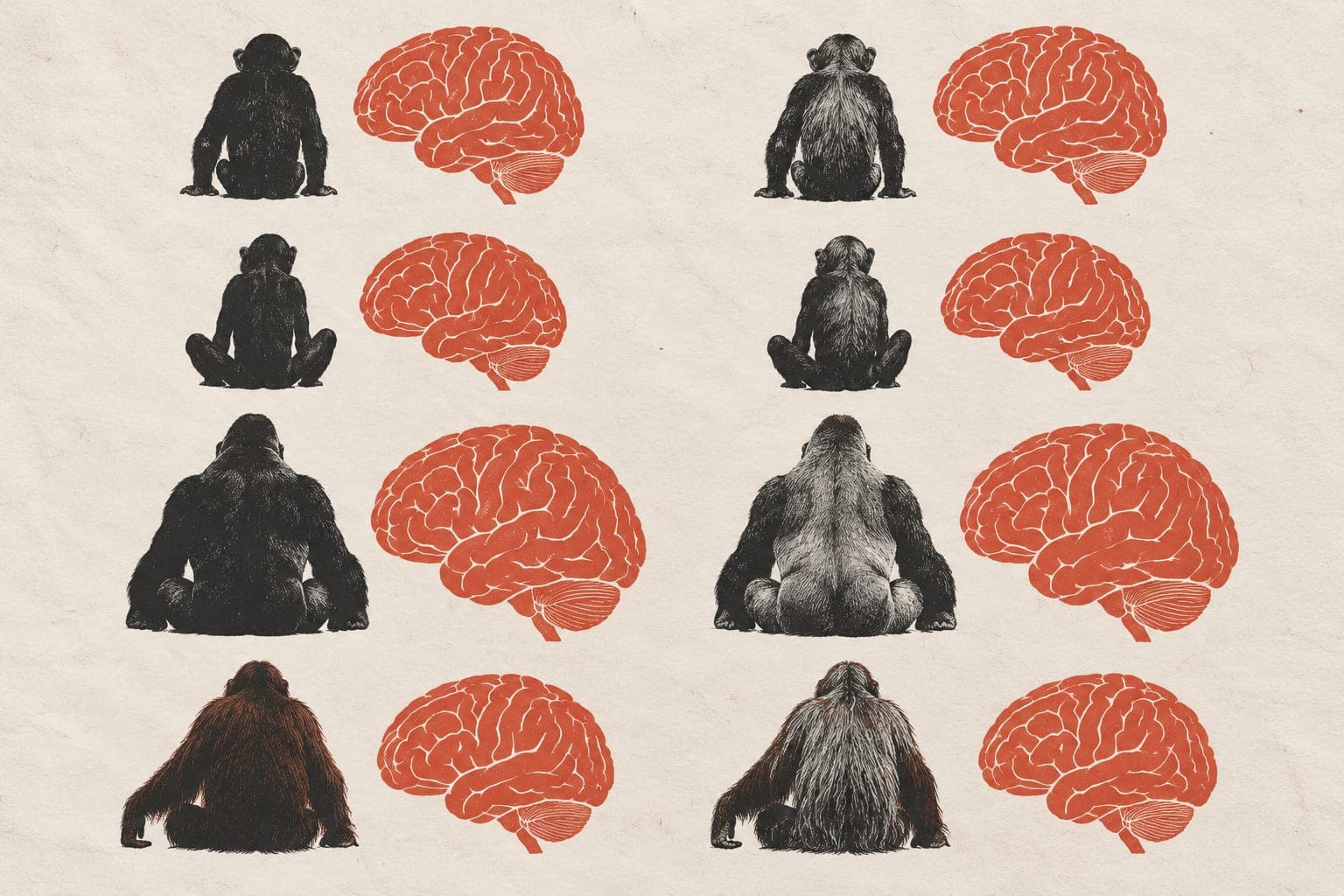
While evolutionary explanations for aging have been widely acknowledged, the application of evolutionary principles to the practice of aging research has, until recently, been limited. Aging research has been dominated by studies of populations in evolutionarily novel industrialized environments and by use of short-lived animal models that are distantly related to humans. In this review, I address several emerging areas of "evolutionarily relevant" aging research, which provide a valuable complement to conventional biomedical research on aging. Nonhuman primates offer particular value as both translational and comparative models due to their long life spans, shared evolutionary history with humans, and social complexity. Additionally, because the human organism evolved in a radically different environment than that in which most humans live today, studying populations living in diverse ecologies has redefined our understanding of healthy aging by revealing the contribution of industrialized human environments to age-related pathologies.
The paper
University of New Mexico
Cold Spring Harbor Perspectives in Medicine, Aug 31, 2022, Open access