SRT1720 enhances maturity and quality of oocytes in aged mice
By Liu MJ, Chen H, Li W et al.
Abstract
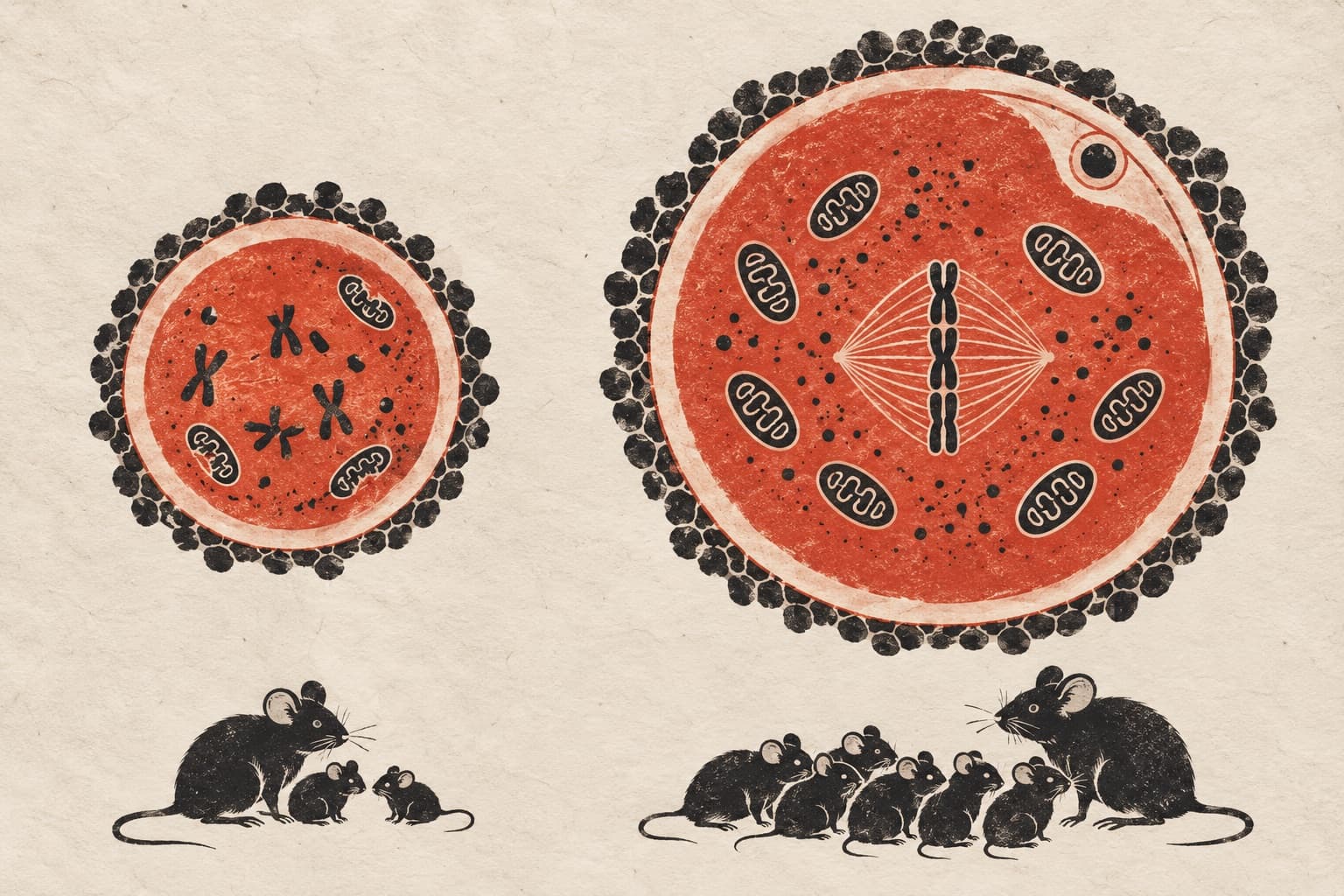
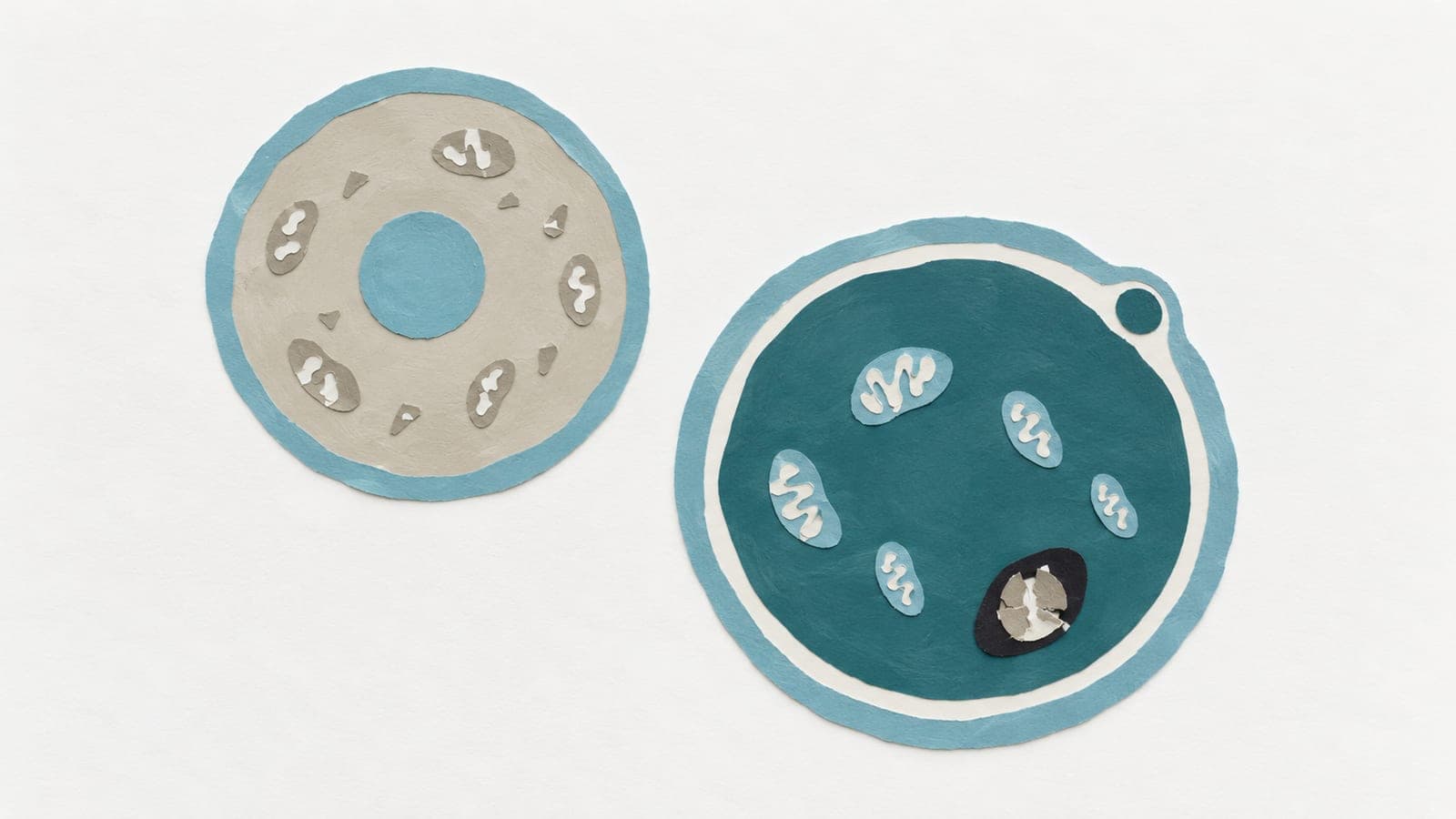
This study aims to investigate the morphology and distribution of mitochondria, spindles, and chromosomes in oocytes of aged mice and examine the effects of SRT1720 on oocyte maturation. C57BL/6J mice were divided into young (4-8 weeks) and aged groups (48-52 weeks). In vitro maturation media contained (0.05, 0.1, and 1.0 μM) SRT1720 and 0.1-μM dimethyl sulfoxide (DMSO control). The rate of chromosome misalignment and spindle misorientation in oocytes of aged mice were significantly higher than that of young mice (P < 0.01). Fluorescence intensity of mitochondria from oocytes of aged mice was significantly lower than that of young mice (P < 0.01). SRT1720 at 0.1 μM significantly improved oocyte maturation, fertilization, and blastocyst formation in aged mice compared with young mice (P < 0.01). Additionally, immunofluorescence intensity of mitochondria, normal spindle morphology, and chromosome alignment were notably enhanced with SRT1720 when compared with the DSMO control group for metaphase II (MII)-stage oocytes matured in vitro (P < 0.01); 0.1-μM SRT1720 enhanced the expression level of SRIT1 in oocytes from aged mice. In summary, the aged mice oocytes showed increased nuclear and cytoplasmic defects, whereas SRT1720 enhanced oocyte maturation and quality. We concluded that 0.1-μM SRT1720 was an appropriate concentration for in vitro maturation media.
The paper
Liu MJ, Chen H, Li W et al.
Animal Science Journal, Jan 1, 2021