A Ketogenic Diet Extends Longevity and Healthspan in Adult Mice
14 months
Abstract
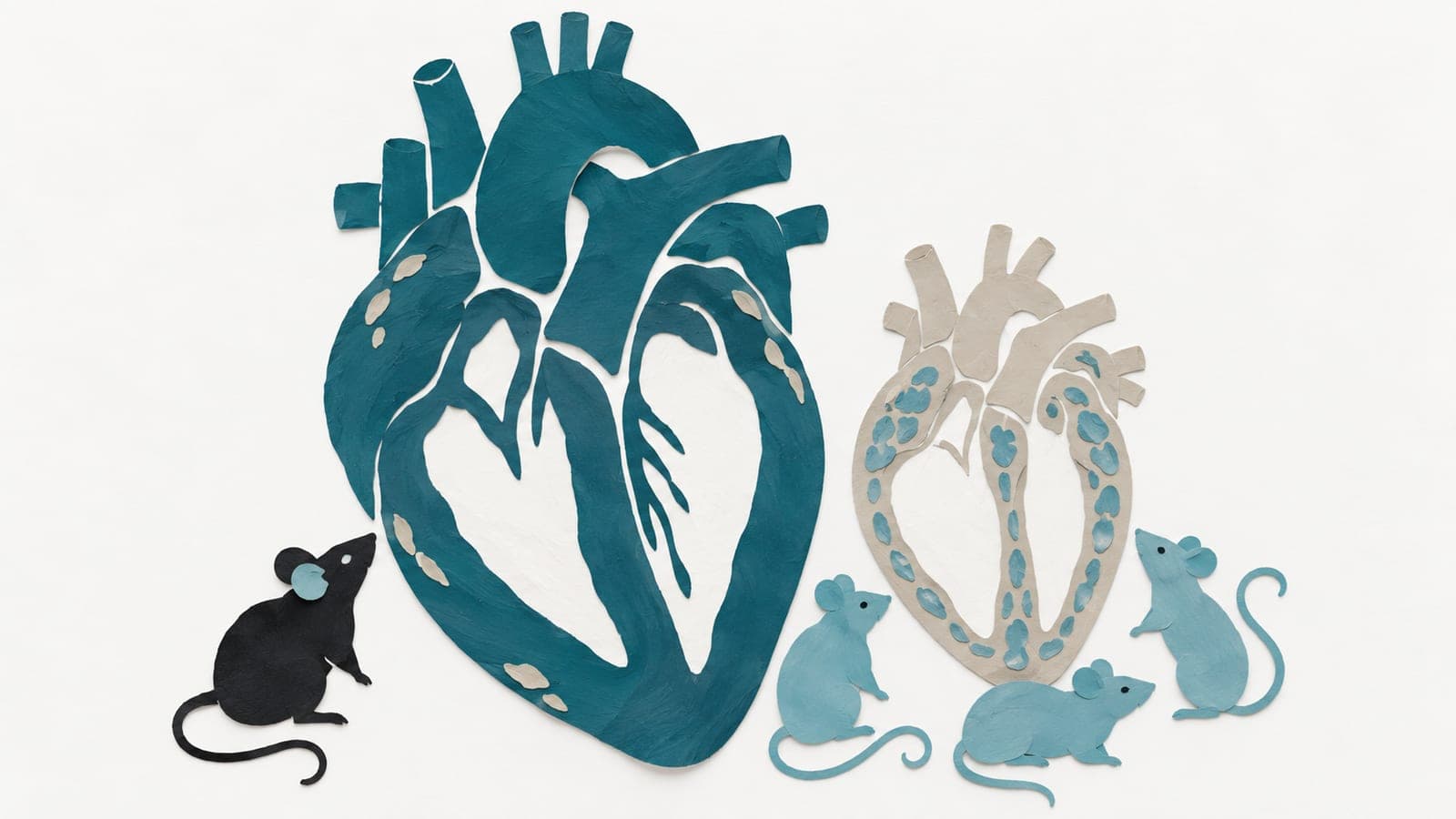
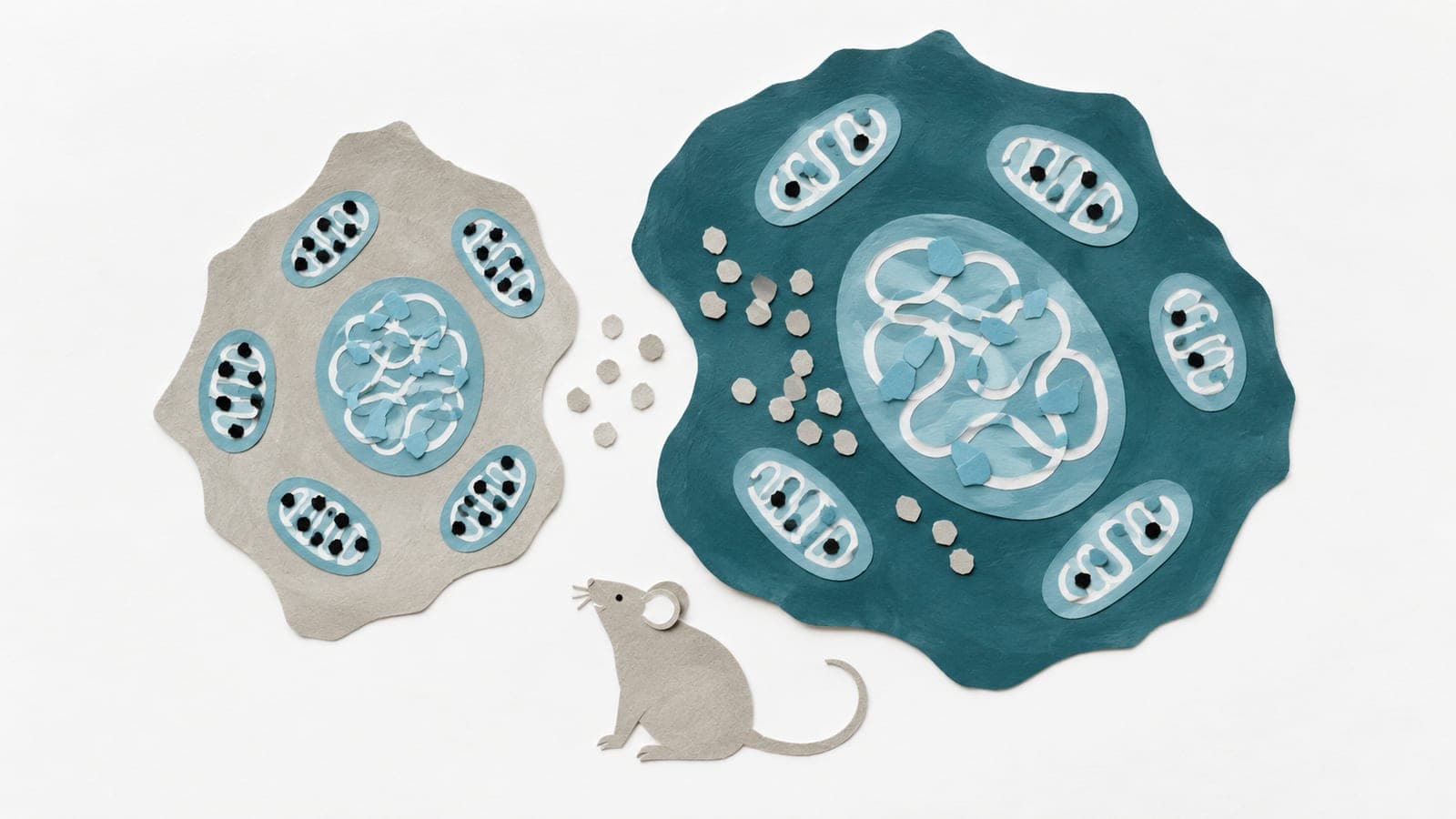
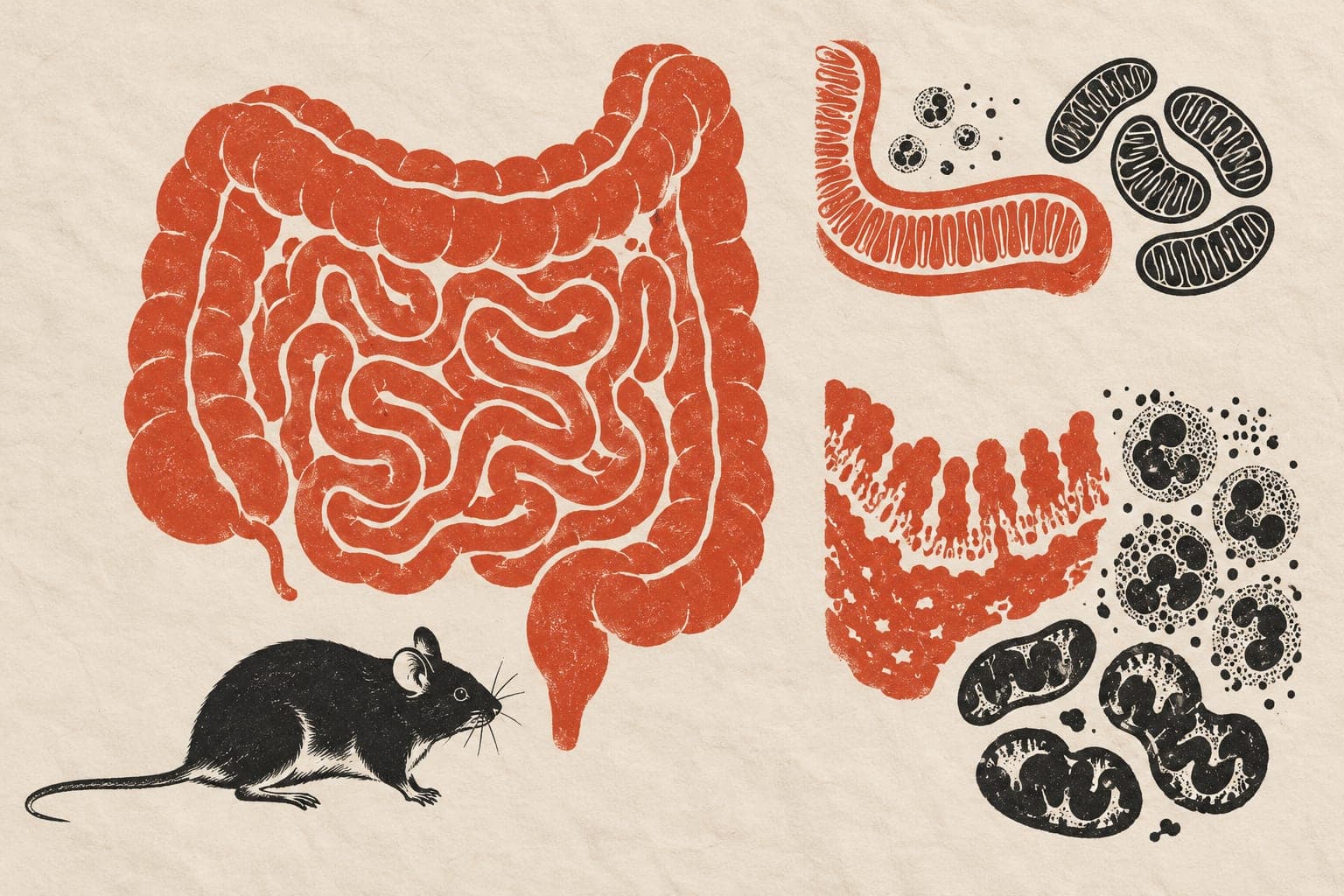
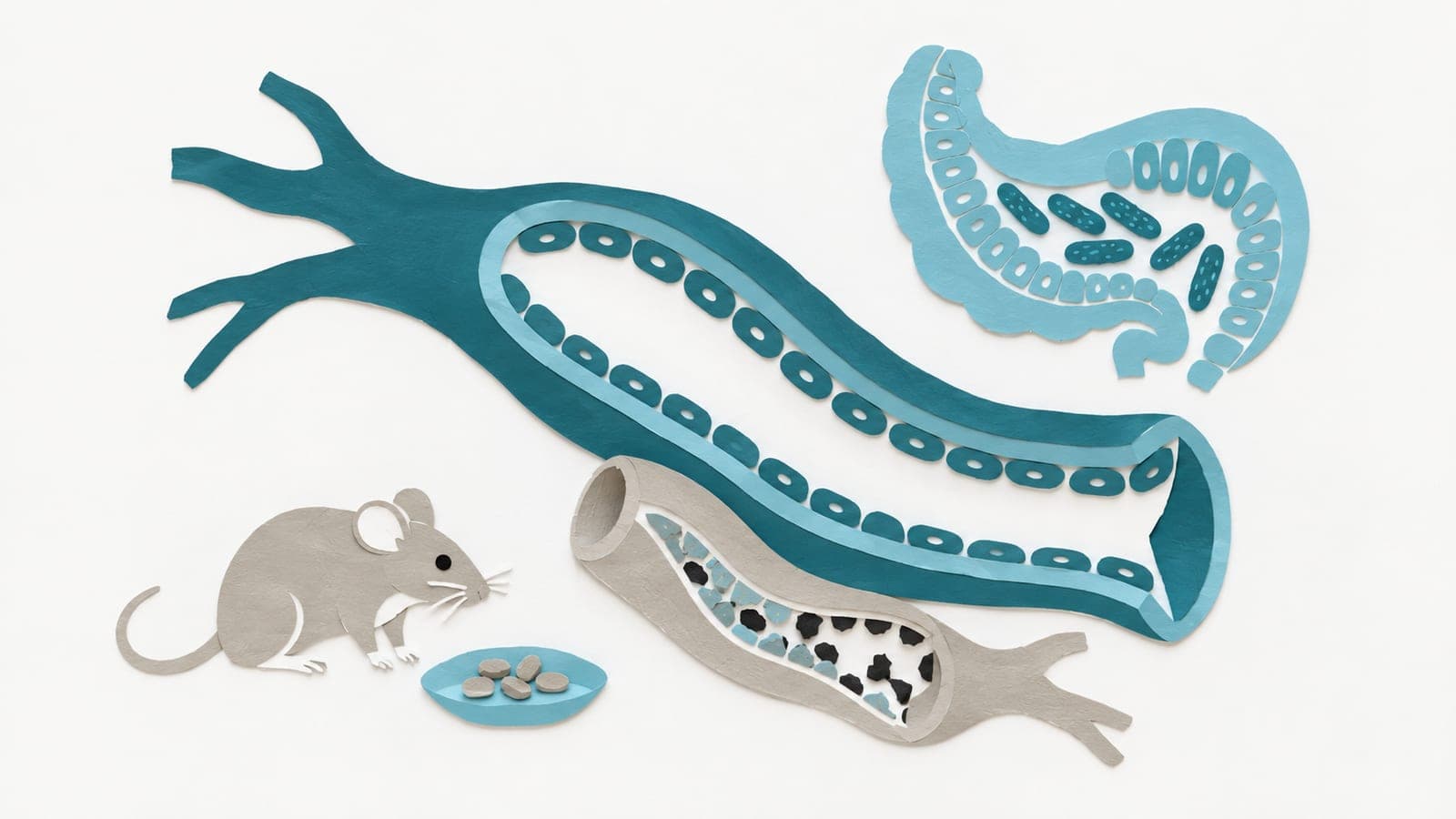
Calorie restriction, without malnutrition, has been shown to increase lifespan and is associated with a shift away from glycolysis toward beta-oxidation. The objective of this study was to mimic this metabolic shift using low-carbohydrate diets and to determine the influence of these diets on longevity and healthspan in mice. C57BL/6 mice were assigned to a ketogenic, low-carbohydrate, or control diet at 12 months of age and were either allowed to live their natural lifespan or tested for physiological function after 1 or 14 months of dietary intervention. The ketogenic diet (KD) significantly increased median lifespan and survival compared to controls. In aged mice, only those consuming a KD displayed preservation of physiological function. The KD increased protein acetylation levels and regulated mTORC1 signaling in a tissue-dependent manner. This study demonstrates that a KD extends longevity and healthspan in mice.
- Ketogenic diet
- Low-carbohydrate diet
- Histone modification and chromatin remodelling
- mTOR signalling
- Protein acetylation
- Mice
The paper
University of California, Davis
Cell Metabolism, 5 Sep 2017