Overexpression of exogenous kidney-specific Ngal attenuates progressive cyst development and prolongs lifespan in a murine model of polycystic kidney disease
Abstract
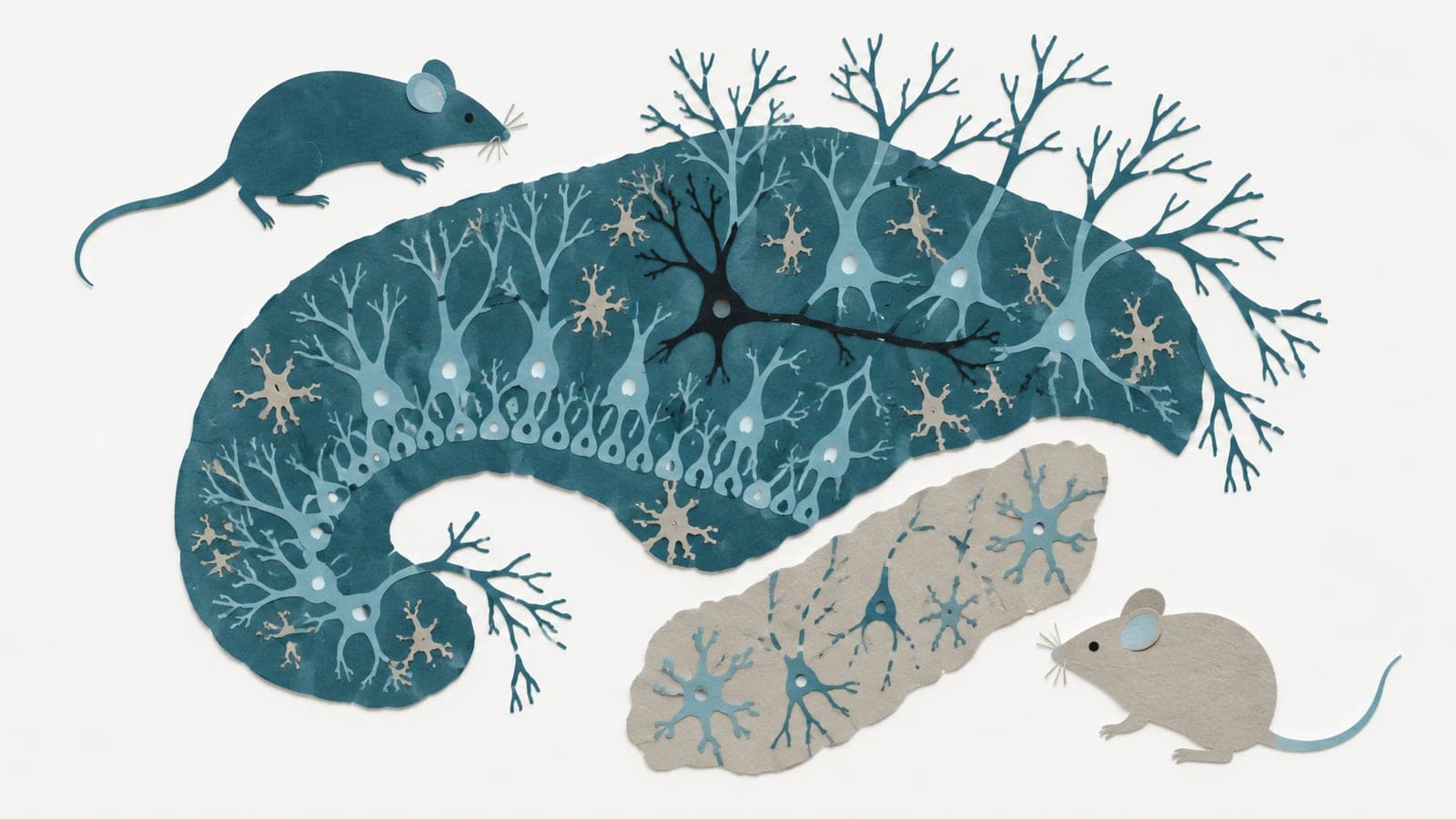
Neutrophil gelatinase-associated lipocalin (Ngal) is a biomarker for acute and chronic renal injuries, including polycystic kidney disease (PKD). However, the effect of Ngal on PKD progression remains unexplored. To study this, we generated 3 strains of mice with different expression levels of Ngal within an established PKD model (Pkd1L3/L3): Pkd1L3/L3 (with endogenous Ngal), Pkd1L3/L3; NgalTg/Tg (with endogenous and overexpression of exogenous kidney-specific Ngal) and Pkd1L3/L3; Ngal-/- mice (with Ngal deficiency). Knockout of endogenous Ngal had no effect on phenotypes, cystic progression, or survival of the PKD mice. However, the transgenic mice had a significantly longer lifespan, smaller (but not fewer) renal cysts, and less interstitial fibrosis than the mice without or with endogenous Ngal. Western-blot analyses showed significant increases in Ngal and cleaved caspase-3 and decreases in α-smooth muscle actin, hypoxia-inducible factor 1-α, pro-caspase 3, proliferating cell nuclear antigen, Akt, mammalian target of rapamycin, and S6 Kinase in the transgenic mice as compared with the other 2 strains of PKD mice. Thus, overexpression of exogenous kidney-specific Ngal reduced cystic progression and prolonged the lifespan in PKD mice, was associated with reductions in interstitial fibrosis and proliferation, and augmented apoptosis.
The paper
National Taiwan Normal University
Kidney International, 27 Oct 2016, Open access