NAD+ and sirtuins in aging and disease
Abstract
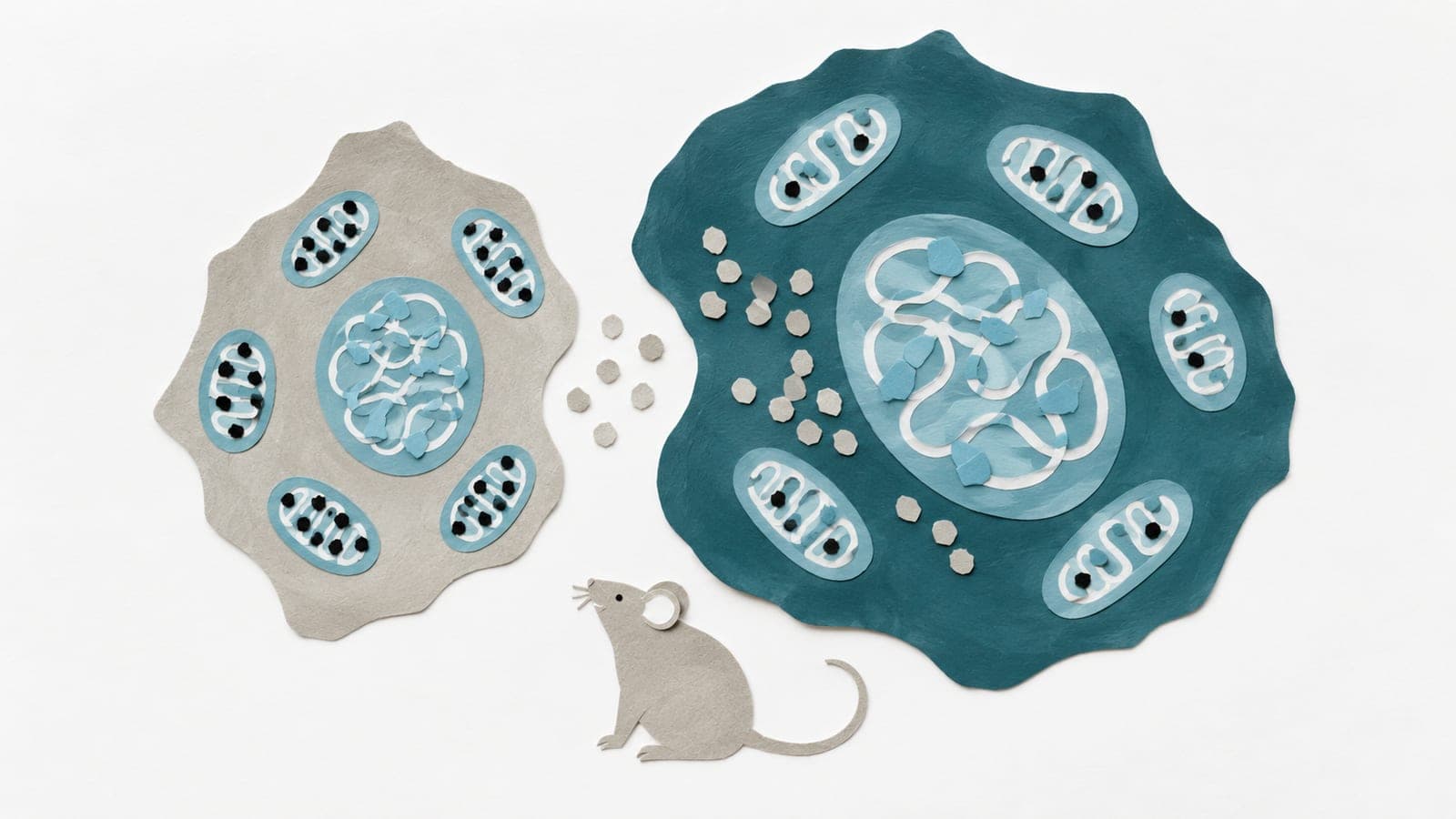
Nicotinamide adenine dinucleotide (NAD(+)) is a classical coenzyme mediating many redox reactions. NAD(+) also plays an important role in the regulation of NAD(+)-consuming enzymes, including sirtuins, poly-ADP-ribose polymerases (PARPs), and CD38/157 ectoenzymes. NAD(+) biosynthesis, particularly mediated by nicotinamide phosphoribosyltransferase (NAMPT), and SIRT1 function together to regulate metabolism and circadian rhythm. NAD(+) levels decline during the aging process and may be an Achilles' heel, causing defects in nuclear and mitochondrial functions and resulting in many age-associated pathologies. Restoring NAD(+) by supplementing NAD(+) intermediates can dramatically ameliorate these age-associated functional defects, counteracting many diseases of aging, including neurodegenerative diseases. Thus, the combination of sirtuin activation and NAD(+) intermediate supplementation may be an effective antiaging intervention, providing hope to aging societies worldwide.
The paper
Washington University in St. Louis; Koch Institute for Integrative Cancer Research At MIT
Trends in Cell Biology, 29 Apr 2014