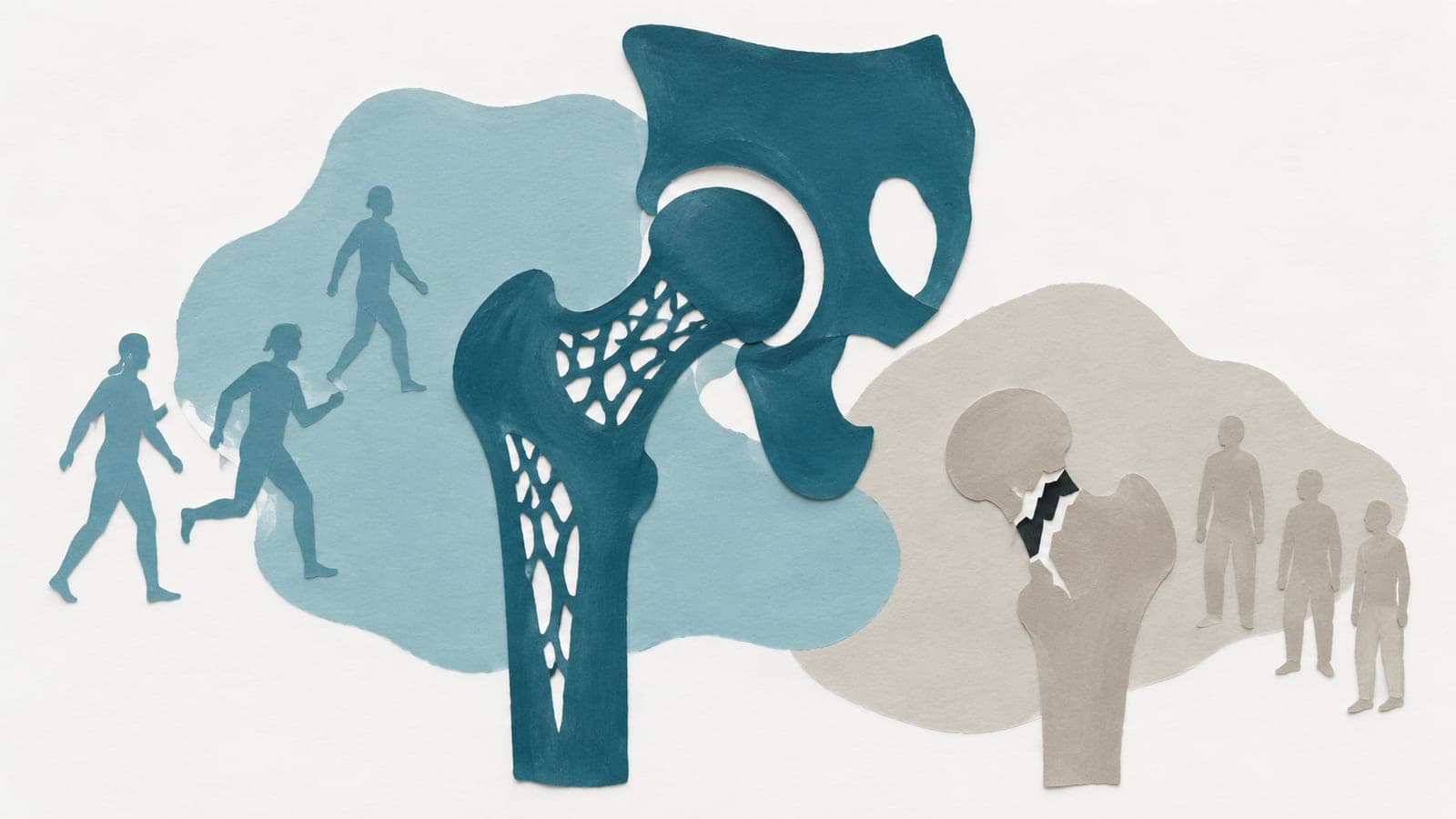
Strategies for preventing falls and related hospitalizations in older people
Abstract
Introduction: Falls are multifactorial events associated with injuries, loss of independence, emergency care use, and hospitalization among older people. Objective: To identify which preventive strategies are effective in reducing falls and related hospitalizations among community-dwelling older people. Methods: A systematic review was conducted according to PRISMA 2020. PubMed/MEDLINE and PEDro were searched on September 16, 2026, for randomized clinical trials published from 2020 to 2025. Studies included adults aged 60 years or older, non-pharmacological fall-prevention interventions, and outcomes related to falls, injuries, emergency visits, or hospitalization. A qualitative synthesis was performed because of clinical and methodological heterogeneity. Results: Fifteen studies involving 28,089 participants were included. Programs combining balance and strength exercises, functional progression, long-term follow-up, and integration with primary care showed the most consistent findings. Structured digital interventions also reduced falls in some trials, although low adherence limited other programs. Isolated environmental assessment, advice without an adequate exercise dose, and low-intensity multifactorial strategies did not yield consistent benefits. Only one large trial directly reported hospitalization and found no difference between groups; most trials focused on falls, fractures, and injuries. Conclusion: Adequately dosed and progressive balance and functional exercise, supported by adherence strategies, is the most consistent preventive component. Evidence for reducing hospitalization remains insufficient and should be evaluated as a specific outcome in future trials.
- Adherence strategies
- Balance and functional exercise
- Balance and strength exercise
- Falls
- Fractures
- Humans
The paper
Faculdades Integradas Aparício Carvalho
Revista Fisio&terapia, 27 Sep 2026, CC BY