In Silico Network Perturbation Reveals Hierarchical Roles of DNA Repair and Glycosylation Linking Exercise to Human Ageing Clocks
Abstract
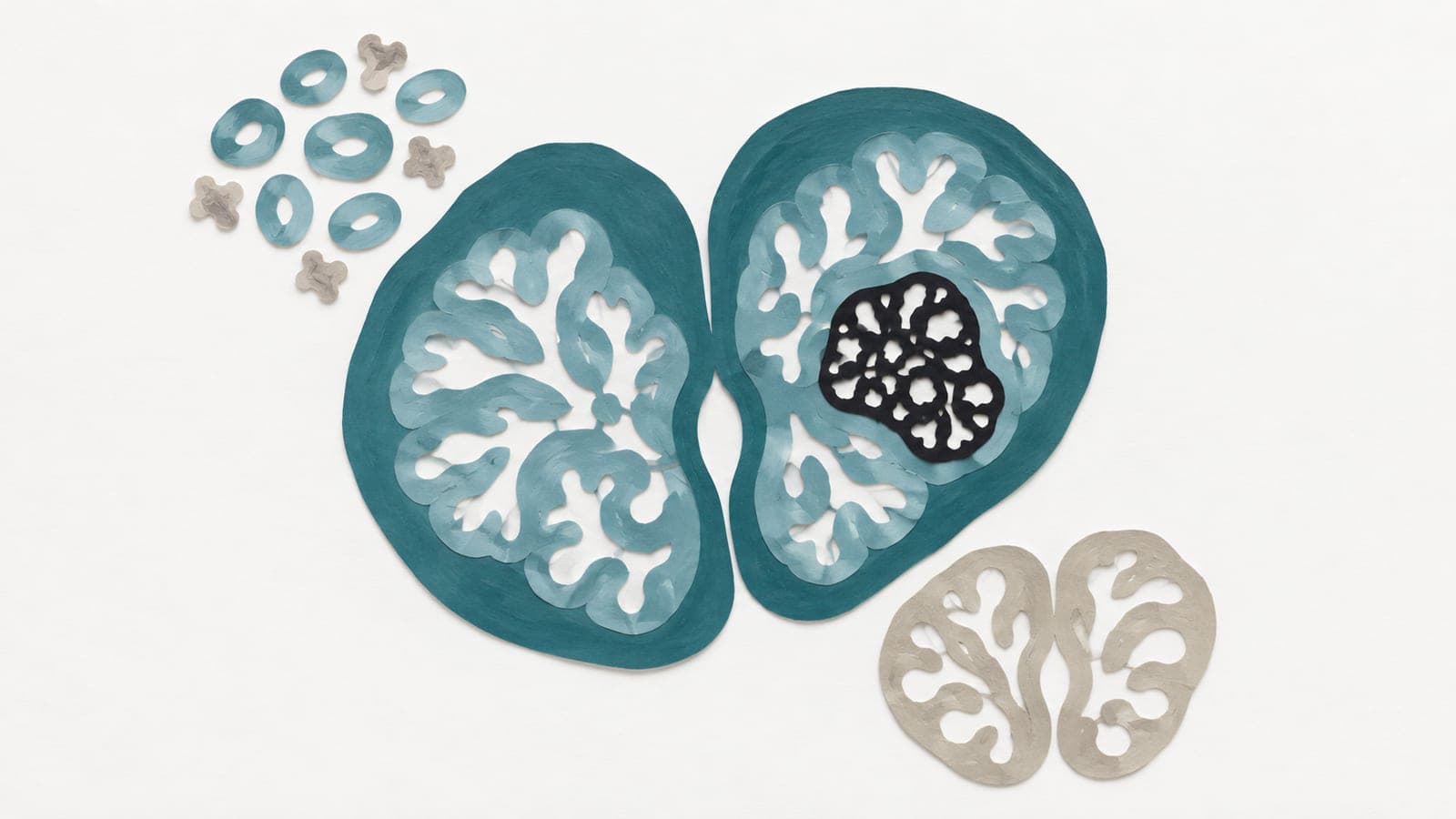
Abstract Regular physical activity delays biological ageing, yet how transient exercise-induced molecular responses are translated into stable ageing signatures in humans remains unclear. Here, we introduce the first in silico perturbation framework for human exercise biology that integrates genetically anchored gene prioritisation, graph-based network modelling, and human experimental validation. Genes causally associated with habitual vigorous physical activity (VPA) were prioritised using Mendelian randomisation (MR) across proteomic, epigenomic, glycomic, and single-cell transcriptomic layers and represented using self-supervised graph learning. Targeted acute in silico perturbations were then propagated via network diffusion within a network shaped by genetically proxied habitual VPA to forecast downstream alignment with epigenetic and proteomic ageing clocks. Perturbation of validated glycosylation enzymes consistently yielded diffusion neighbourhoods enriched for clock-associated genes (empirical p < 0.01), whereas perturbation of canonical DNA repair and stress response genes did not consistently align with ageing clock architecture. Acute high-intensity exercise validation demonstrated rapid modulation of plasma glycosylation alongside activation of DNA repair programmes, providing biological context for distinct network behaviours. Together, these findings reveal a hierarchical organisation in which DNA repair pathways act as adaptive buffers of acute physiological stress but do not directly encode biological ageing state, while downstream glycosylation networks occupy a more proximal, integrative position, predictively encoding stable molecular states captured by human ageing clocks. By resolving stress buffering from ageing state encoding at the network level, this work refines damage-centric models of ageing and establishes in silico perturbation as a principled approach to forecast how habitual physical activity shapes long-term biological ageing trajectories. Abstract Figure Graphical Abstract In silico perturbation framework linking habitual physical activity to ageing-related molecular architecture. Genetically proxied habitual vigorous physical activity (VPA) is integrated with multi-omic Mendelian randomisation (MR) across epigenomic, transcriptomic, proteomic, and glycomic layers to construct a causal, exercise-adapted molecular network. Within this network, targeted acute in silico gene perturbations are propagated by network diffusion and evaluated for alignment with epigenetic and proteomic ageing clocks as external annotations. A controlled human high-intensity exercise intervention provides experimental validation, demonstrating acute activation of DNA repair programmes alongside rapid modulation of plasma glycosylation.
The paper
University of Ulster; University of Peloponnese
medRxiv, 3 Feb 2026, Preprint, not peer-reviewed