Genome-wide association study of proteomic aging reveals shared genetic architectures with longevity, early life development, and age-related diseases
Abstract
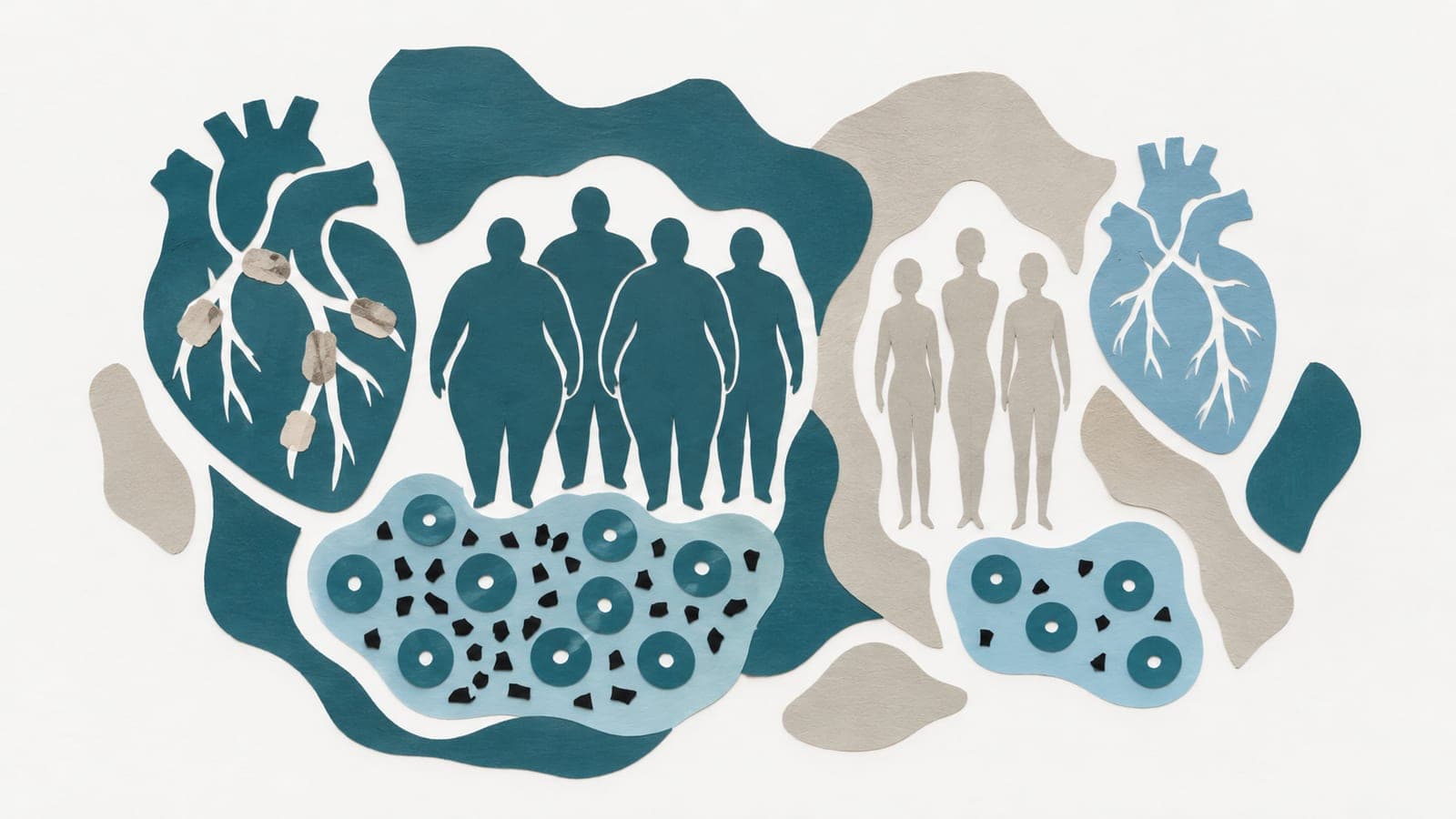
Abstract There is still relatively little known about the genetic underpinnings of proteomic aging clocks. Here, we describe a genome-wide association study of proteomic aging in the UK Biobank (n=38,865), identifying 27 loci associated with participants’ proteomic age gap (ProtAgeGap). ProtAgeGap exhibits a strong genetic correlation with longevity (rg = −0.83), and in FinnGen a ProtAgeGap polygenic score (PGS) was associated with significantly increased odds of achieving longevity (n=500,348; OR = 1.43). Additional PGS analyses in All of Us (n=117,415), China Kadoorie Biobank (n=100,640), and ABCD Study (n=5,204) demonstrate reproducible associations across biobanks of ProtAgeGap PGS with obesity, cardiometabolic disease, and osteoarthritis in adults, and with developmental timing in children. Finally, colocalization analysis identified FTO as an obesity-related mechanism uniting diverse aging traits. Our results demonstrate a shared genetic architecture across the life course of ProtAgeGap with longevity, early developmental biology, and cardiometabolic and musculoskeletal diseases.
- Cardiometabolic disease
- Musculoskeletal disease
- Obesity
- Obesity, cardiometabolic disease, and osteoarthritis
- Osteoarthritis
- Humans
The paper
Broad Institute
medRxiv, 4 Dec 2025, CC BY-NC-ND, Preprint, not peer-reviewed