The Calf as Sentinel: How Silent Deterioration of the Gastrocnemius-Soleus Complex Links Gait Decline, Postural Instability, and Mortality in Aging
Abstract
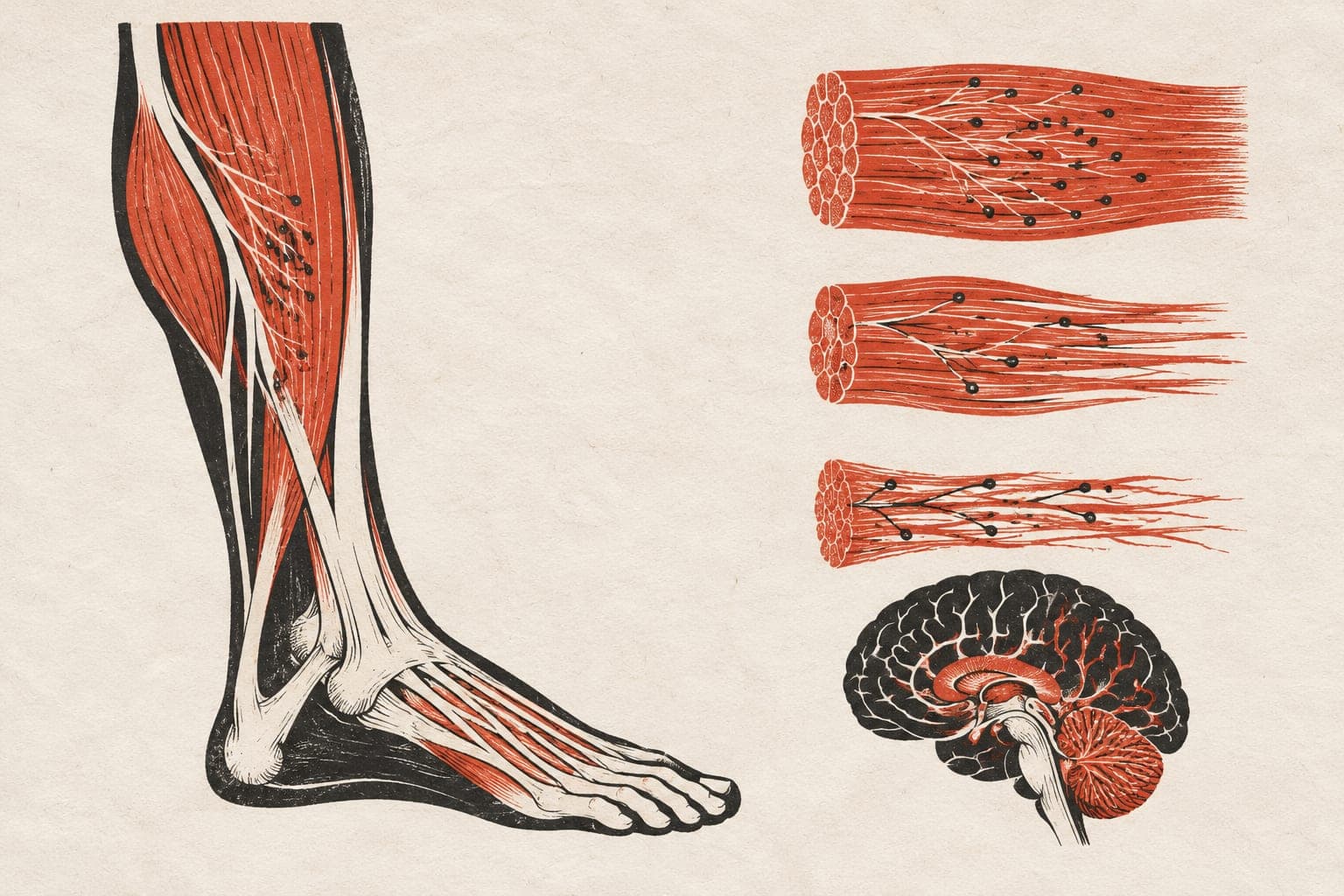
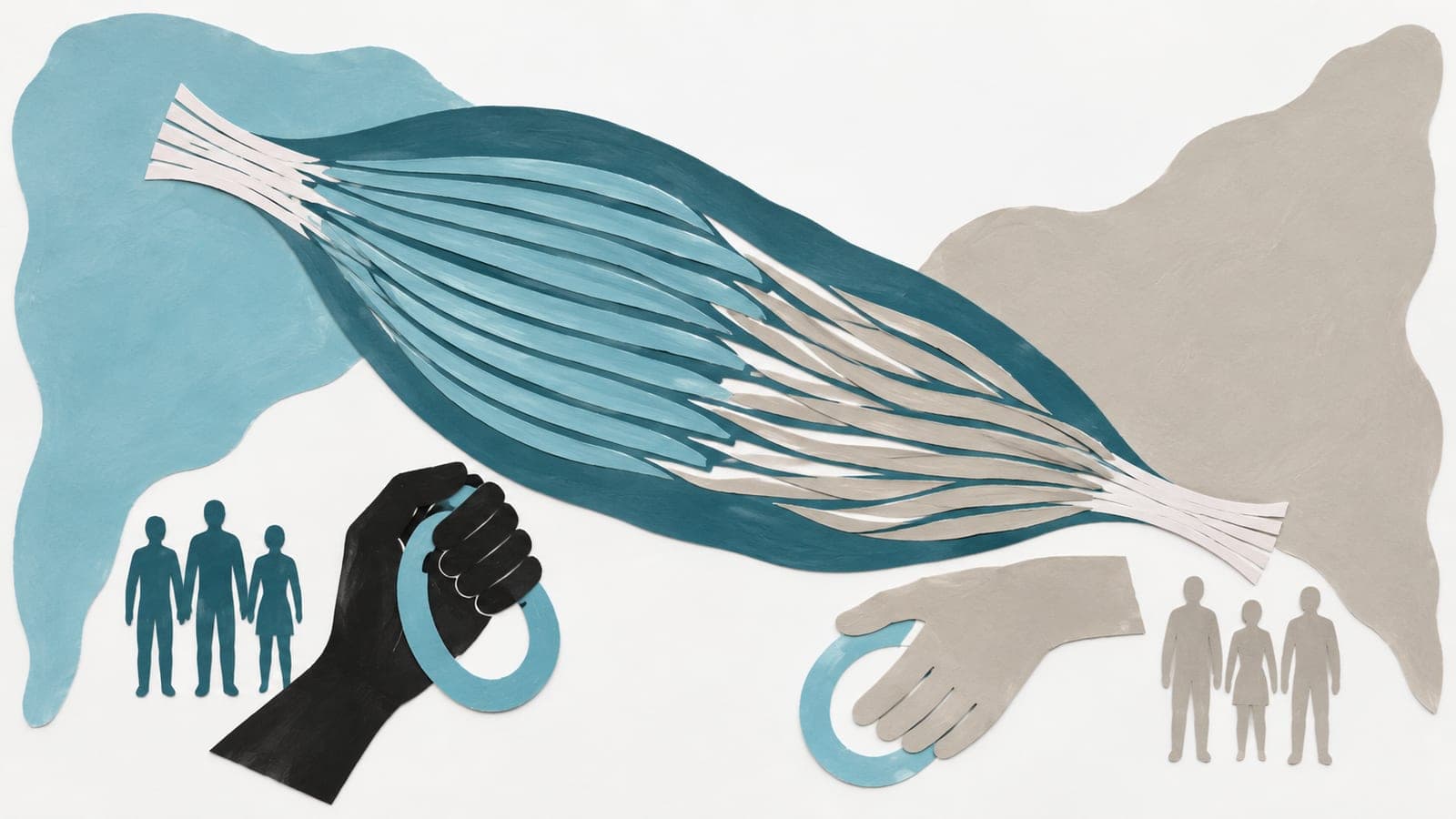
Walking speed is one of the strongest predictors of survival in older adults, yet the specificmusculoskeletal substrates underlying this association remain underspecified. We arguethat the gastrocnemius-soleus complex and its associated Achilles tendon function as asentinel structure in aging — a single tissue whose deterioration drives both gait declineand postural instability. We first present a unified biomechanical account of why the calf isuniquely vulnerable to chronic, invisible degradation: extreme agonist-antagonist forceasymmetry renders voluntary self-stretch impossible; dual-joint architecture creates alengthening deadlock unmatched by other bi-articular muscles; continuous antigravityloading generates a co-contraction cascade along the kinetic chain; and slow-twitch fiberdominance shields the tissue from acute injury while masking progressive decline. We thentrace how age-related muscular sarcopenia and Achilles tendon stiffening converge toproduce a compound deterioration that escapes standard clinical detection. This silentdegradation produces two convergent consequences: reduced ankle push-off power —which shortens stride length and slows walking speed — and collapse of the ankle strategyfor postural control, forcing a transition to the less robust hip strategy. The walkingspeed–mortality association, we suggest, may be partially mediated by this calf-tendondeterioration pathway. Current fall prevention programs do not target the calf as abiomechanically distinct structure, and commonly prescribed concentric calf raises do notaddress the tendon-side deficit. We propose a calf-specific intervention rationale(release–lengthen–load) and a research agenda for validating the sentinel structurehypothesis.
The paper
Elanare Institute
Zenodo, 28 Feb 2026, CC BY, Preprint, not peer-reviewed