Well-being and Cognitive Resilience to Dementia-related Neuropathology
By Willroth EC, James BD, Graham EK et al.
Abstract
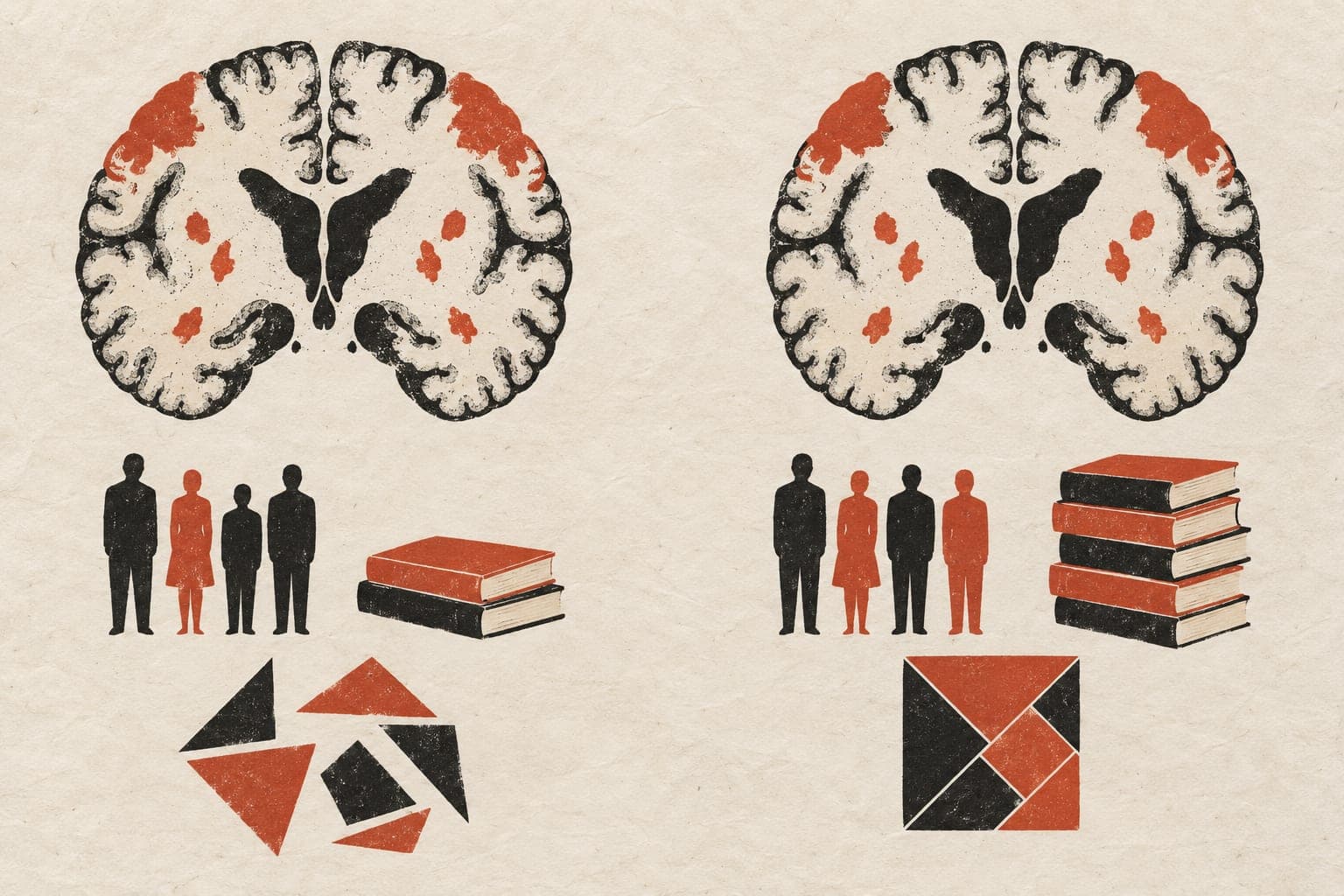
Not all older adults with dementia-related neuropathology in their brains experience cognitive decline or impairment. Instead, some people maintain relatively normal cognitive functioning despite neuropathologic burden, a phenomenon called cognitive resilience. Using a longitudinal, epidemiological, clinical-pathologic cohort study (N=348), the present research investigated associations between well-being and cognitive resilience. Consistent with pre-registered hypotheses, higher eudaimonic well-being (i.e., Ryff Psychological Well-being Scale) and higher hedonic well-being (i.e., Satisfaction with Life Scale) were associated with better-than-expected cognitive functioning relative to one’s neuropathological burden (i.e., beta-amyloid, neurofibrillary tangles, Lewy bodies, vascular pathologies, hippocampal sclerosis, and TDP-43). The association of eudaimonic well-being in particular was present above and beyond known cognitive resilience factors (i.e., socioeconomic status, education, cognitive activity, low neuroticism, low depression) and dementia risk factors (i.e., ApoE genotype, medical comorbidities). This research highlights the importance of considering eudaimonic well-being in efforts to prevent dementia.
The paper
Willroth EC, James BD, Graham EK et al.
Preprint, 12 Jul 2022, Open access, CC BY, Preprint, not peer-reviewed