Loneliness from midlife to older adulthood reflects both stable trait and changing circumstance
Abstract
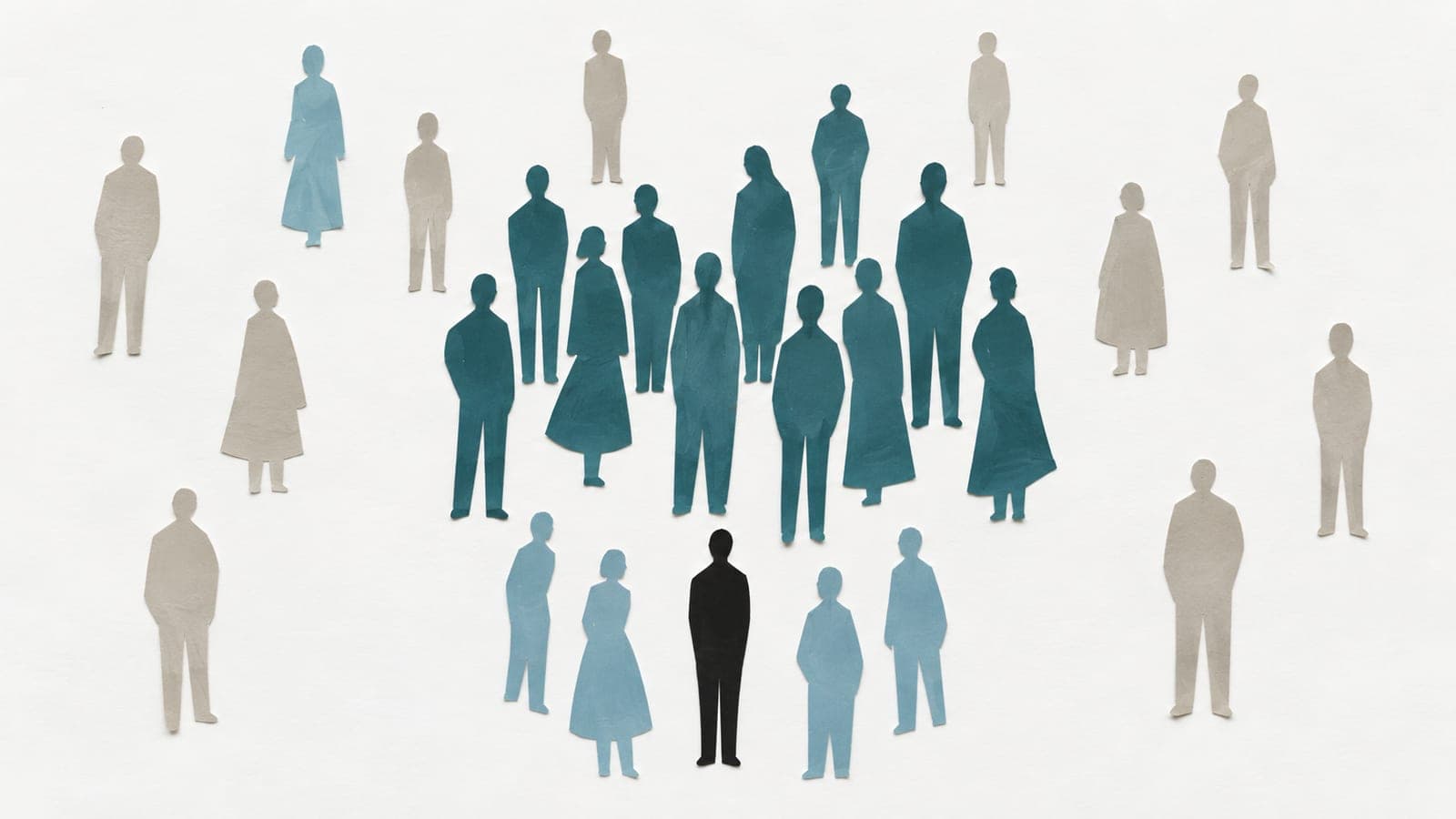
Whether loneliness from midlife to older adulthood reflects enduring trait-like differences or changing circumstances remains unclear. Using five waves (2011–2022) of the Survey of Health, Ageing and Retirement in Europe across 11 countries, we combined measurement alignment, trait–state–occasion decomposition, local structural equation modelling and mixture modelling to separate stable and time-varying components of loneliness and identify latent subgroups. A stable trait component accounted for 34.6% of the variance, but its contribution declined over time as observed loneliness increased. Trait proportions varied across countries and rose with age, peaking in the mid-70s before declining thereafter. Six latent subgroups emerged, with high-risk groups concentrated among older adults and overrepresented by women, those in non-partnered statuses, those with lower education, and those in poorer health, particularly in Italy and the Czech Republic. Later-life loneliness is shaped jointly by macro-level national conditions and micro-level individual differences.
The paper
Preprint, 19 Apr 2026, Open access, CC BY, Preprint, not peer-reviewed