The U-Shaped Association Between Serum Ferritin Levels and Frailty Risk in Older Adults: A Nationwide Population-Based Study (Preprint)
Abstract
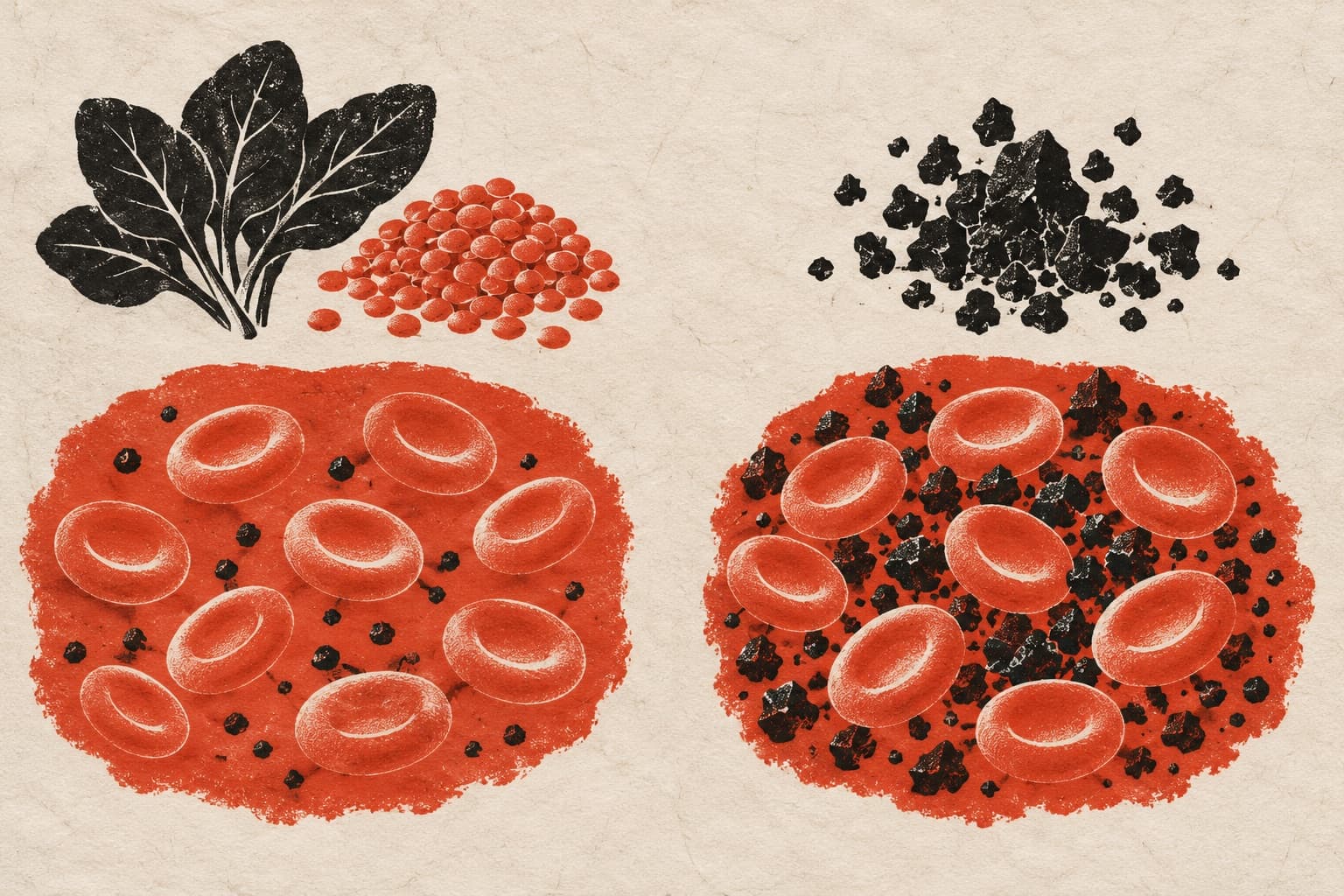
BACKGROUND Ferritin, a key iron storage protein in the body, acts as an essential indicator of iron metabolism and is involved in various health conditions beyond hematologic disorders. Clinical evidence suggests that both elevated and reduced blood ferritin levels correlate with adverse health outcomes. OBJECTIVE To elucidate the role of circulating ferritin as a potential biomarker for frailty, which reflects overall health status and biological age, we investigated the association between serum ferritin concentrations and the frailty index (FI) in a community-dwelling older adults. METHODS We performed a population-based, cross-sectional analysis using data from the Korea National Health and Nutrition Examination Survey. The study included 6,722 participants aged 65 years and older. A deficit accumulation FI was developed using 36 items covering physical, cognitive, psychological, and social domains. Based on the FI, participants were classified as non-frail (FI ≤ 0.15), pre-frail (0.15 < FI ≤ 0.25), or frail (FI > 0.25). Serum ferritin levels were measured using an immunoradiometric assay. RESULTS When participants were divided into four groups according to serum ferritin concentration quartiles, the FI in both women and men exhibited a U-shaped curve, with the lowest values occurring in the third quartile (Q3). Consequently, differences in FI among the groups were analyzed using Q3 as the reference. In women, the FI was significantly higher in both the lowest quartile (Q1) and the highest quartile (Q4) compared to Q3 (P < 0.001 and 0.001, respectively). Consistently, women in Q1 and Q4 had significantly higher odds ratios for frailty compared to those in Q3, at 2.03 and 1.35 times, respectively (P < 0.001 and 0.049, respectively). Although a similar trend was noted in men, the association between serum ferritin levels and frailty was not as statistically significant as in women. CONCLUSIONS Our study identified a U-shaped association between serum ferritin concentrations and the FI in a nationally representative cohort. Both low and high ferritin concentrations were associated with an increased risk of frailty, with this relationship being more pronounced in women than in men. This pioneering investigation underscores the potential of serum ferritin, which is widely used in clinical practice, as a predictive biomarker for frailty in older adults.
The paper
Preprint, 2 Mar 2025, Open access, CC BY, Preprint, not peer-reviewed