Detailed ability checks added little to ranking death risk
After accounting for demographic and social factors and multiple illnesses, death-risk ranking scores were 0.723 for brief screening, 0.731 for comprehensive assessment and 0.736 for statistical scoring.
The Journal of Nutrition, Health & Aging
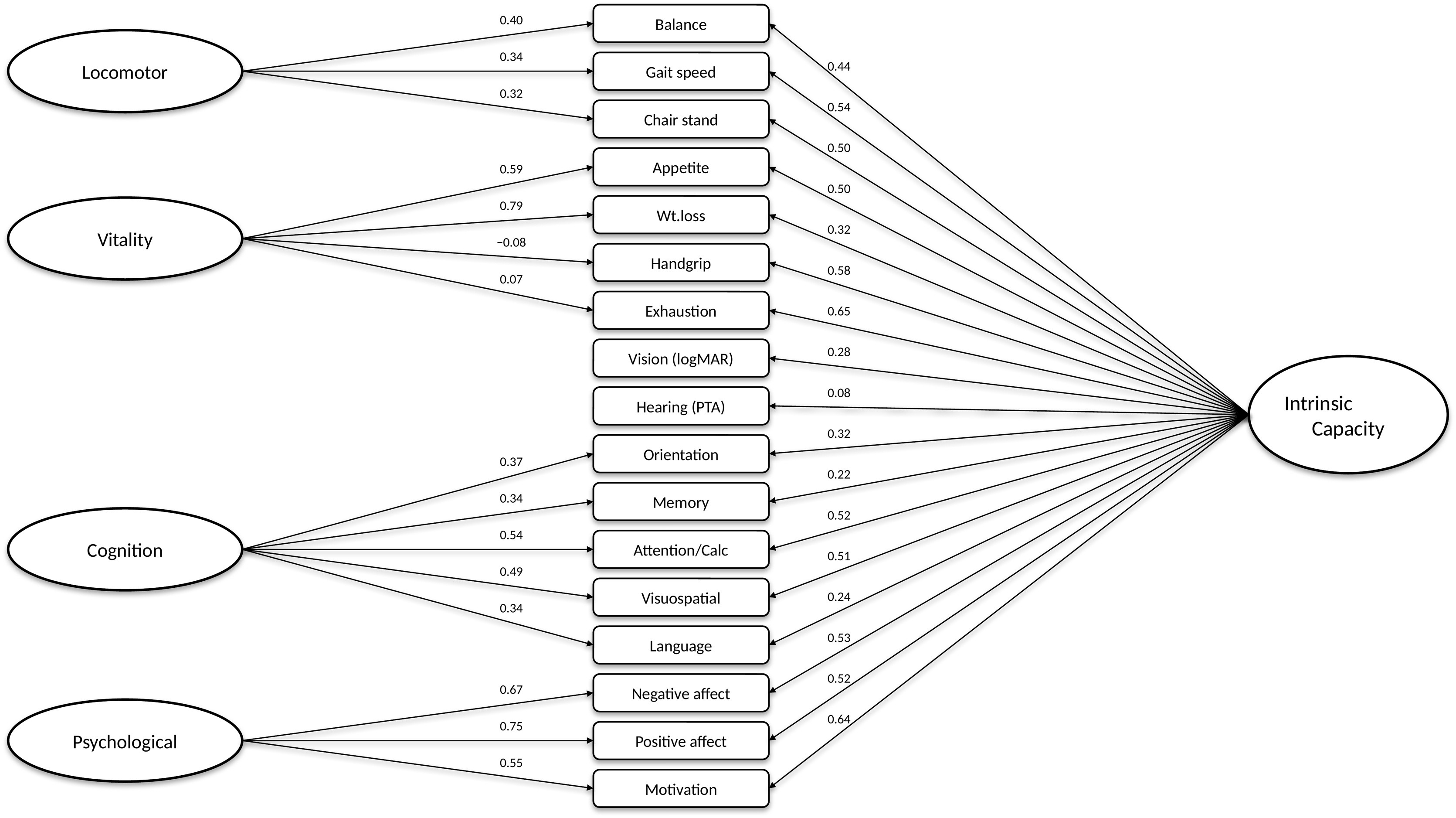
An observational cohort study followed 3,011 community-dwelling adults aged 70–84 in South Korea for a median of eight years. Researchers compared three measures of intrinsic capacity, a person's combined physical and mental abilities: a brief screen, a comprehensive clinical assessment and a statistically calculated score.
More detailed measures distinguished frailty, a state of increased vulnerability to health problems, better. The measures did not clearly differ in distinguishing disability in daily activities. There were 500 deaths. Higher capacity on each measure was associated with lower mortality after accounting for demographic and social factors and multiple illnesses. The adjusted models ranked long-term death risk similarly. Capacity measures alone ranked death risk less well and performed similarly to one another.
Why it matters
Older adults' physical and mental abilities underpin the World Health Organization's integrated care programme. The findings support the potential feasibility of brief screening within that approach.
Caveats
This observational study assessed associations, not whether screening or changing capacity improves outcomes. The brief screen was built to align with the statistical measure, so these findings do not validate the World Health Organization's screening instrument.
- Modelling and theory
- Bifactor latent score
- Comprehensive clinical score
- Korean ICOPE screening score
- Humans
The paper
Show 4 more authors
Chan Mi Park, Kevin T Pritchard, Miji Kim, Chang Won Won,Kyung Hee University Medical Center · Hinda and Arthur Marcus Institute for Aging Research
The Journal of Nutrition, Health & Aging · 7 Oct 2026