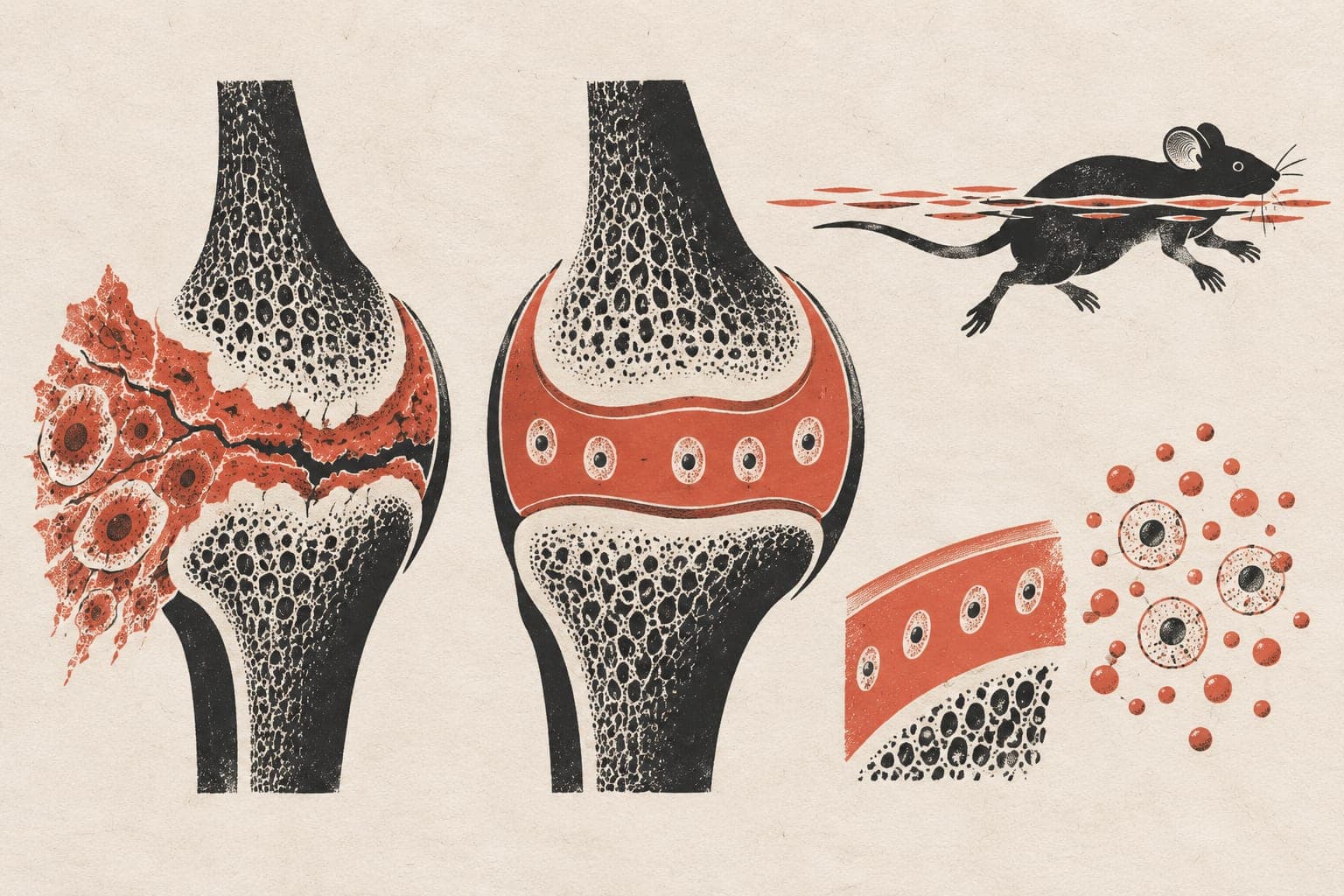
Downhill running improves bone metabolism through Sirt1/NF-κB signaling pathway in diabetic mice
Abstract
Abstract (1) Objective: To explore the change of bone resorption metabolism in T2DM mice as well as the effect of different exercise on the OC differentiation and bone resorption metabolism in T2DM mice through Sirt1/NF-κB pathway. (2) Methods: A total of 55 4-week-old male C57BL/6 mice were randomly divided into normal control group (NC) (12 mice) and T2DM modeling group (n=43). After modeling, the T2DM mice were randomized into T2DM control group (TDC, n=13), T2DM high-intensity intermittent exercise group (TDG, n=13) and T2DM downhill running group (TDP, n=14). Group TDG and group TDP were trained by 8-week high-intensity intermittent exercise and downhill running respectively. After the interventions, related factors in the bone were detected for mRNA expression by RT-PCR, and for protein expression by West-blotting technique. TRAP staining was used to detect the quantity of OCs and multinuclear OCs induced by BMM induced differentiation, and ELISA to detect the serum tartrate-resistant acid phosphatase (StrACP) activity. Groups of mice were observed for morphological structure of bone tissue by HE staining and Safranin O-Fast Green staining. (3) Results: Compared with group NC, the cancellous bone and cortical bone thickness were significantly degraded in TDC group, inhibition of OC differentiation in T2DM mice resulted in a decrease in serum StrACP activity, and down-regulation of Sirt1 expression in T2DM mice bone resulted in activation of the NF-κB pathway. After 8 weeks of training, the up-regulation of Sirt1 expression in the bone of TDG and TDP mice inhibited the NF-kB pathway, inhibited OC differentiation and serum AP activity in T2DM mice, and significantly improved the thickness of cancellous and cortical bone in the distal femur and tibia of T2DM mice. However, TDP is significantly better than TDG in improving the changes of the above related indicators. (4) Conclusion: The bone resorption/metabolism in T2DM mice was enhanced. Downhill running activated Sirt1 expression in the bone of T2DM mice, and then inhibited the NF-κB pathway, thus suppressing OC differentiation and bone resorption/metabolism, and its effect was better than that of high-intensity intermittent exercise.
The paper
Yangzhou University; Changzhou Vocational Institute of Textile and Garment
Research Square, Apr 4, 2022, Open access, CC BY, Preprint, not peer-reviewed