MLL, TERRA, and Telomere Chromatin Dynamics in Replicative Senescence and Aging
Abstract
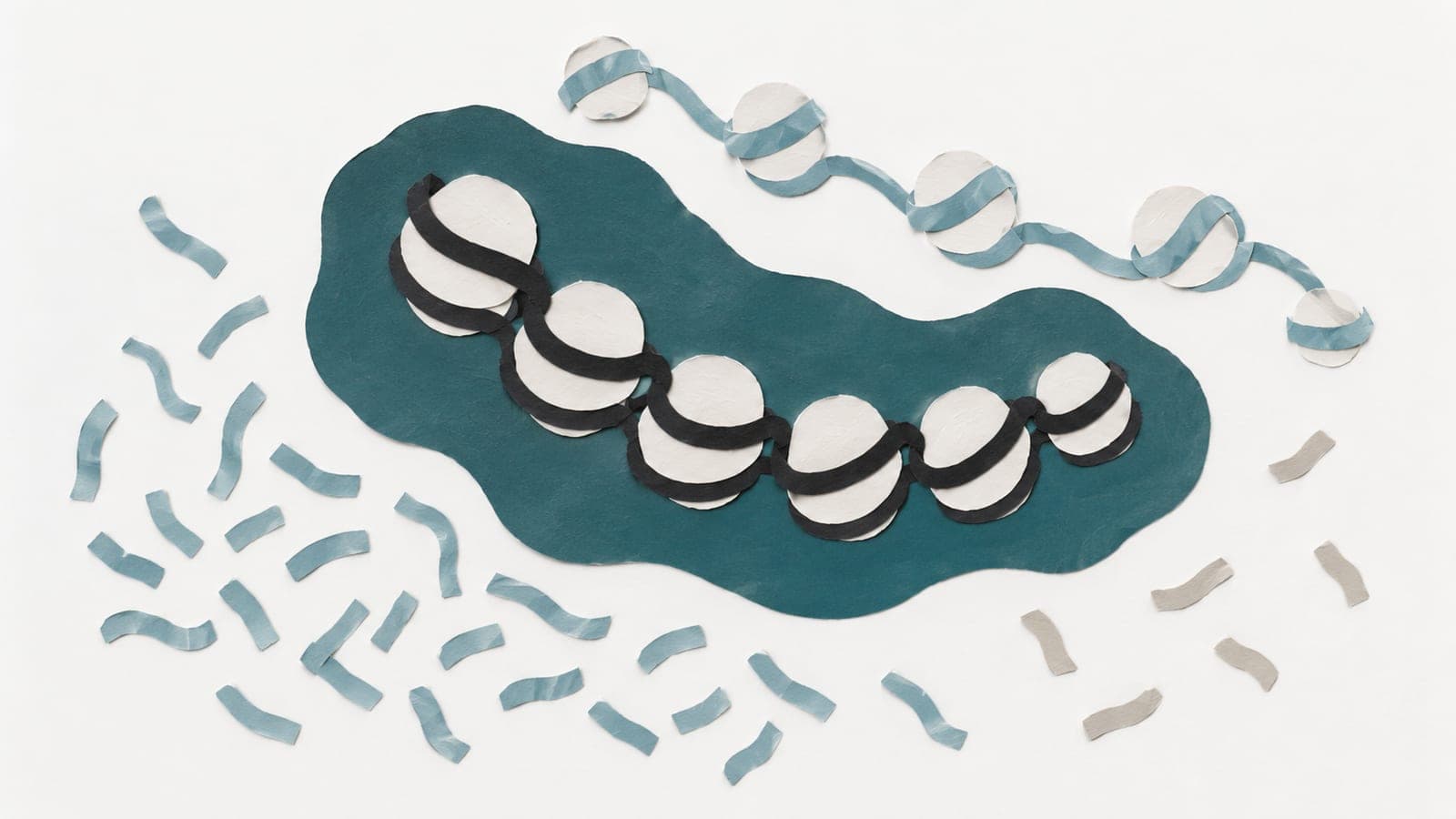
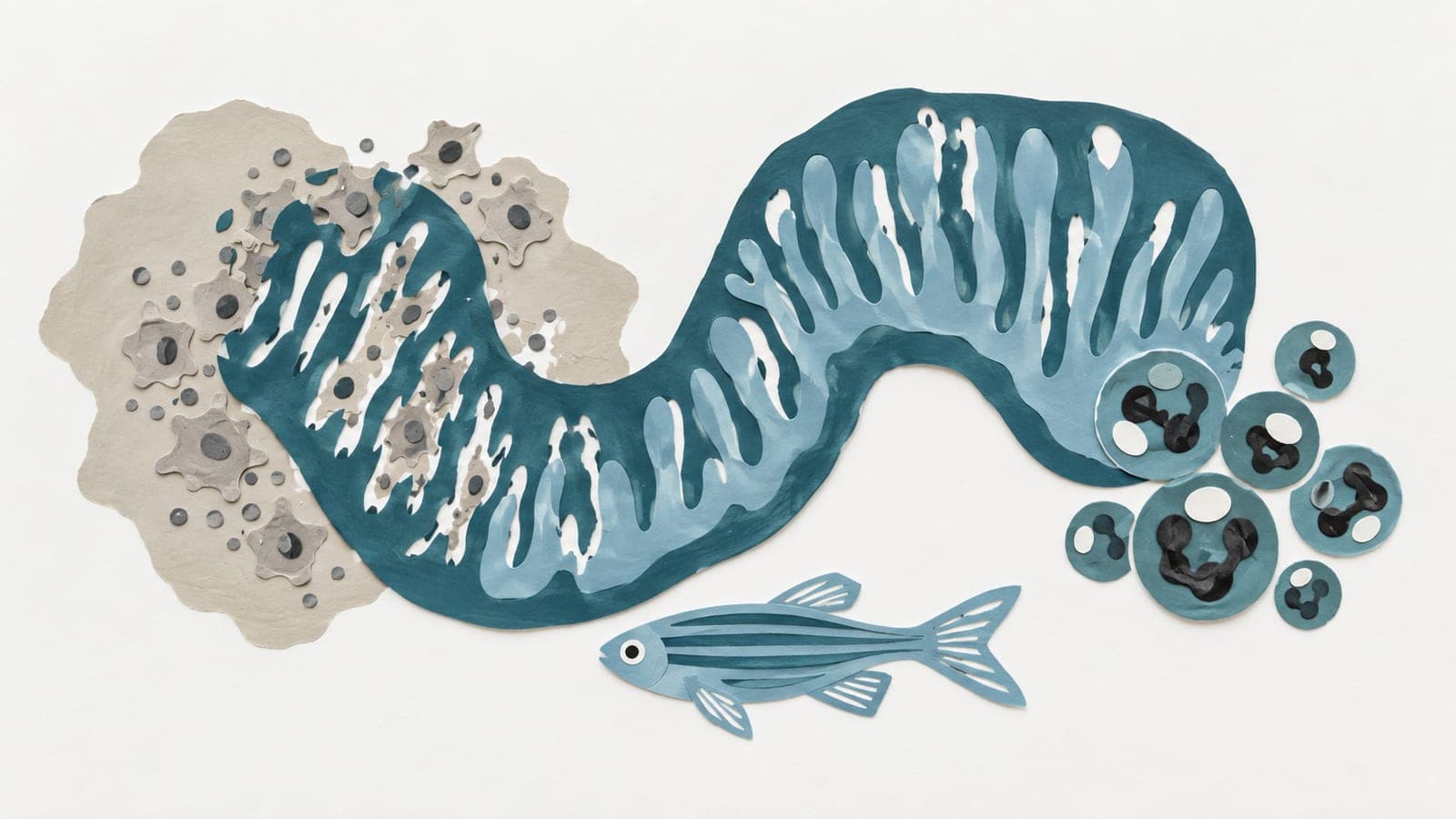
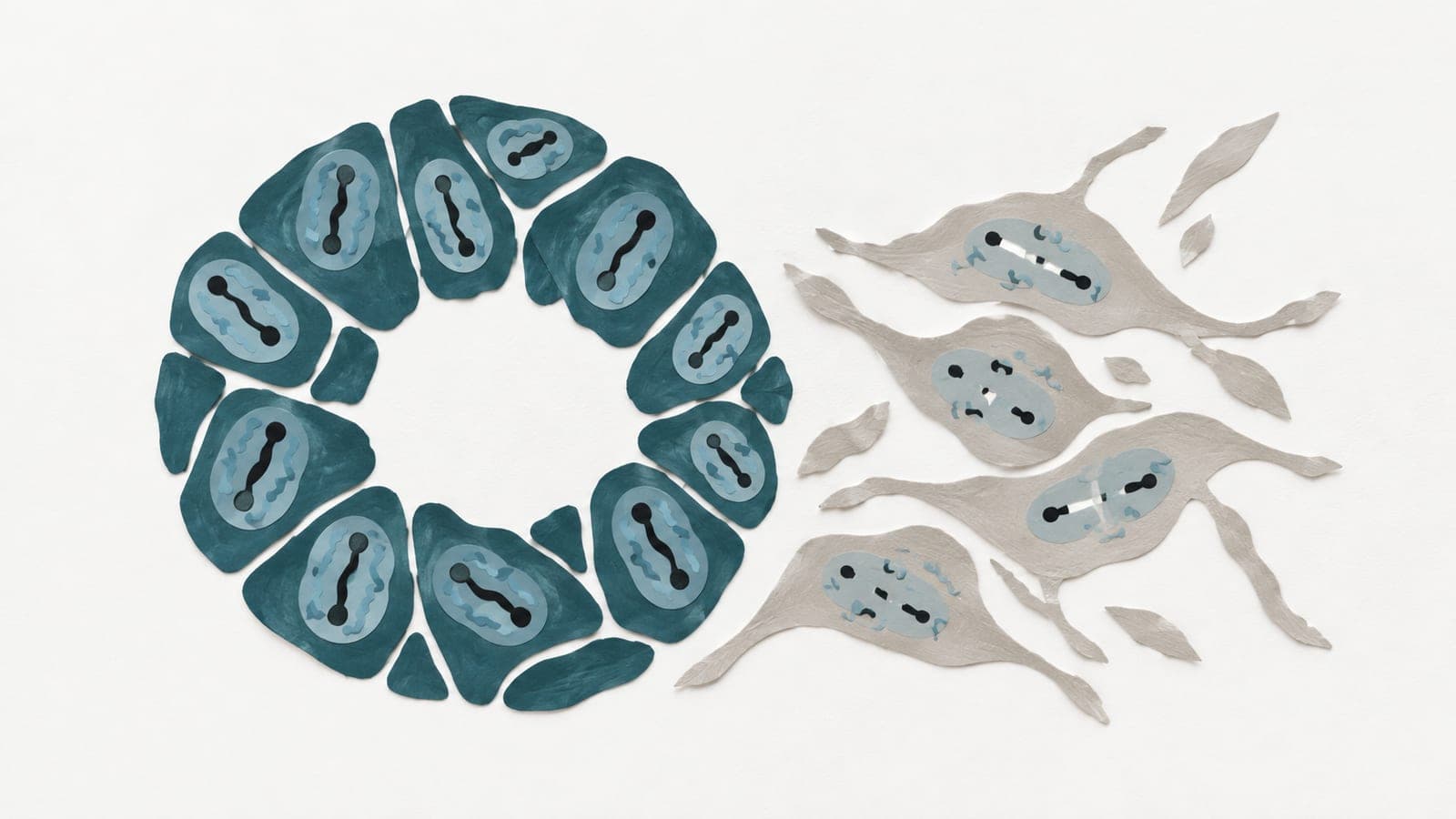
Replicative senescence links telomere shortening to irreversible proliferative arrest and is widely recognized as a major tumor-suppressive mechanism. At the organismal level, however, progressive accumulation of senescent cells contributes to tissue dysfunction, chronic inflammation, and aging. Accumulating evidence suggests that telomere shortening influences chromatin organization and subtelomeric transcription through mechanisms that remain incompletely understood. Building upon the telomere position effect model of cellular senescence and the subtelomere-telomere theory of aging, this review proposes a chromatin-sensing telomere framework in which telomere shortening induces senescence through epigenetic and transcriptional changes at chromosome ends. Central to this model is TERRA, a long non-coding RNA that regulates telomeric chromatin structure, telomere maintenance, and DNA-damage responses. The H3K4 methyltransferase MLL/KMT2A is a key regulator of TERRA transcription. MLL associates with telomeric chromatin in a telomere length-dependent manner and promotes TERRA transcription through H3K4 methylation. Shelterin components, particularly TRF2, function as repressors of TERRA, and we propose that telomere shortening progressively alters shelterin organization and telomeric chromatin topology, thereby reducing access of MLL and RNA polymerase II to subtelomeric promoters. A biphasic model of TERRA regulation emerges in which early TERRA upregulation observed in aging tissues transiently promotes telomere protection, while later critical shortening of TERRA-dominant telomeres drives global TERRA repression and contributes to telomere dysfunction and senescence. This framework provides a mechanistic link between telomere shortening, chromatin regulation, and quasi-programmed aging.
The paper
Preprints.org, 29 Jun 2026, Open access, CC BY, Preprint, not peer-reviewed