Estimating Epigenetic Age to Explore the Relationship Between Brain and Peripheral Health during Ageing in a Mouse Grb10 Knockout Model
Abstract
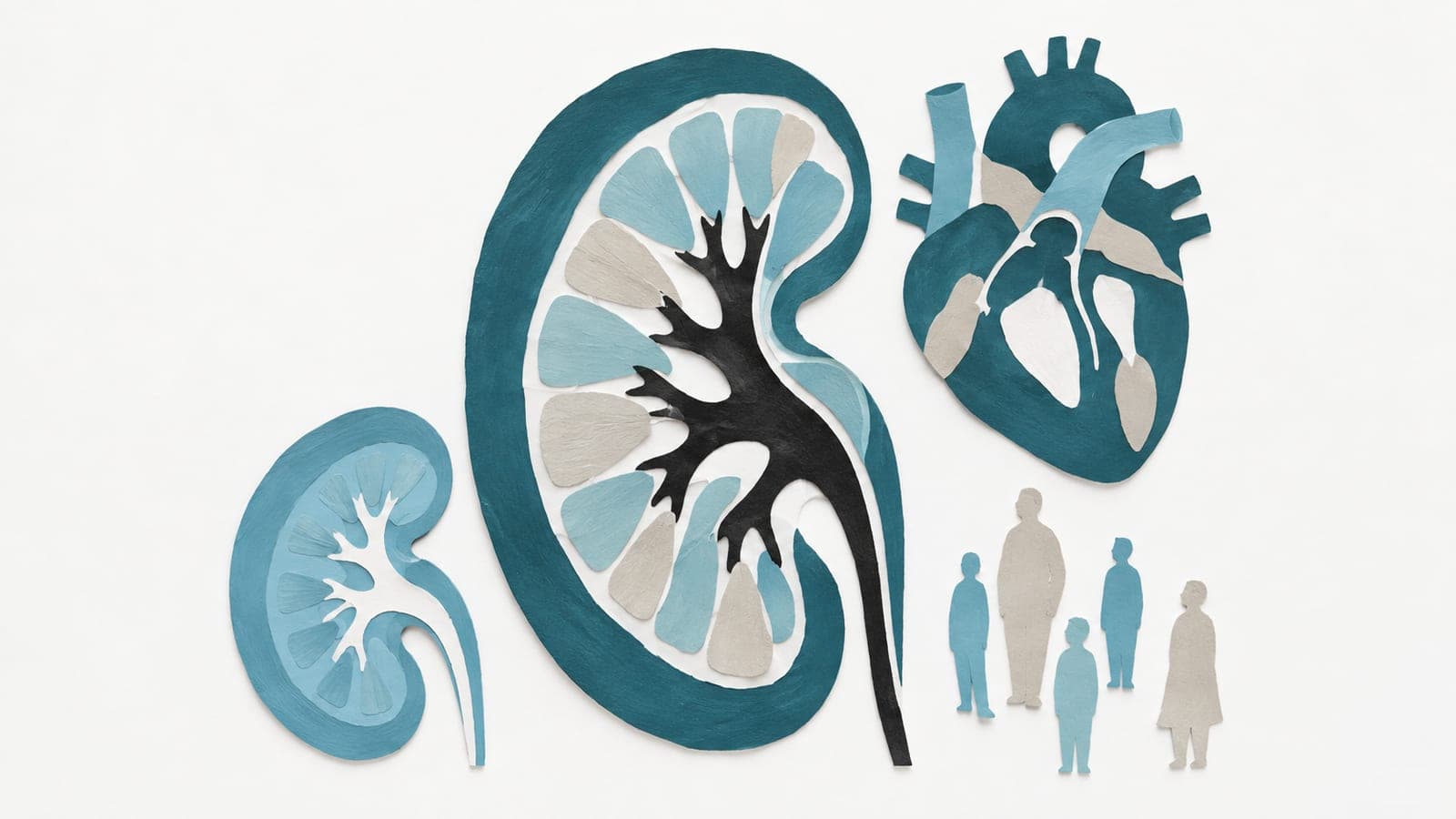
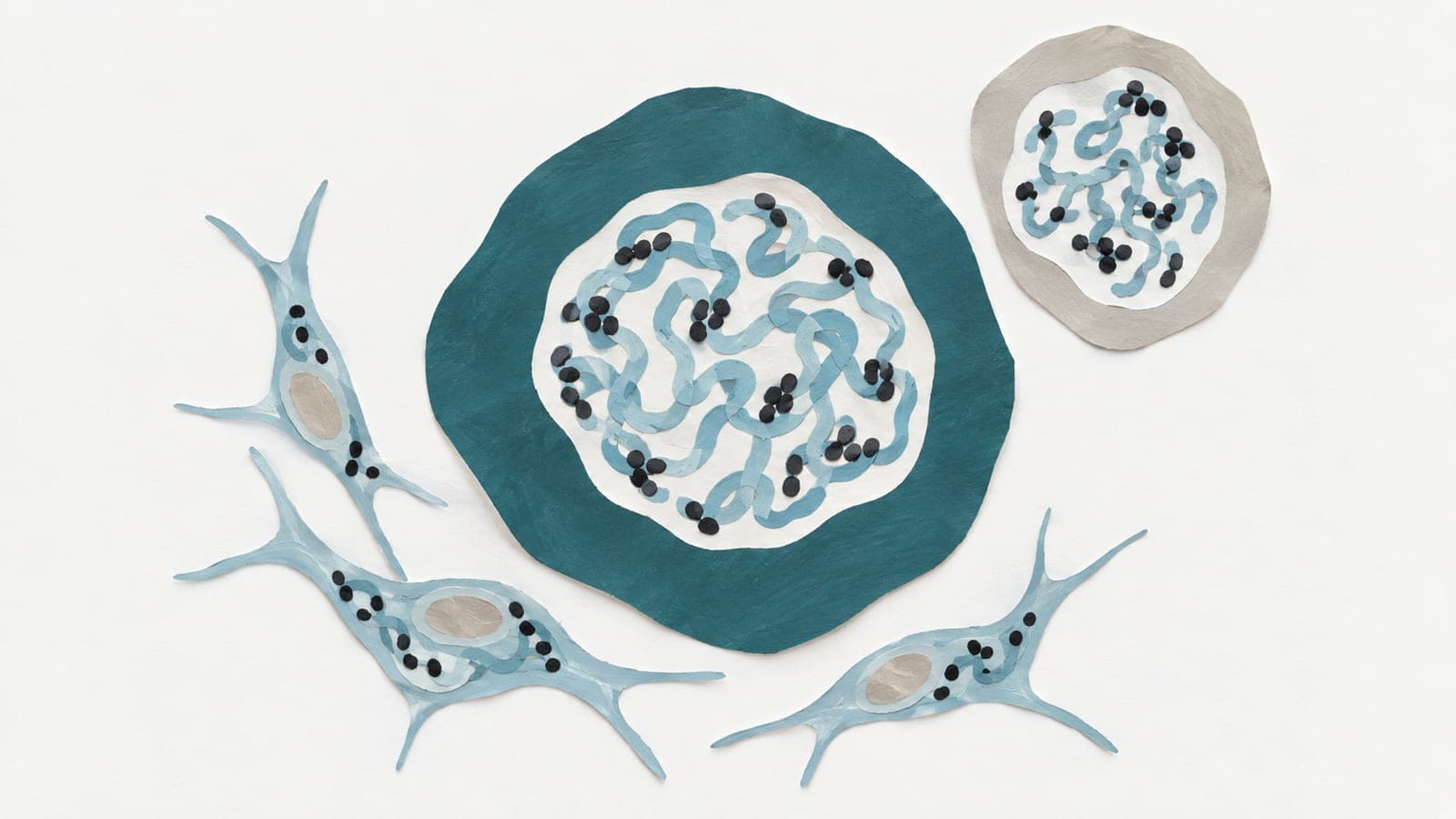
Over the next 40 years, the number of people in England aged over 65 is expected to increase by 58% (Centre for Ageing Better, 2025). Ageing is a key risk factor for physical (Niccoli and Partridge, 2012) and mental illness, with the causal relationship between poor physical and mental health being bidirectional (De Hert et al., 2011; Scott et al., 2016; Wienand et al., 2024). High rates of physical-mental health comorbidities pose a key challenge for healthier ageing strategies, as it is currently not well understood to which degree physical health can remain uncoupled from mental health. To investigate this physical-mental health relationship during ageing, we will estimate epigenetic age in a Grb10 knockout mouse model. Grb10 codes for the adaptor protein Growth Factor Receptor Bound Protein 10 (Grb10), interacting with tyrosine kinase receptors in the insulin/IGF signalling pathway (Desbuquois, Carré and Burnol, 2013). Within this pathway, Grb10 functions as a negative regulator of the insulin receptor (Holt and Siddle, 2005), as well as an inhibitor of mTORC1 (mammalian target of rapamycin complex 1) (Liu et al., 2014), influencing processes such as cellular metabolism and growth (Zhang et al., 2011). Lower levels of signalling through the insulin signalling pathway have been associated with decelerated ageing and longevity (Weindruch, 1996; Dorling, Martin and Redman, 2020), effects also seen with inhibition of mTOR such as through rapamycin treatment (Wilkinson et al., 2012) or genetically altered animal models (Selman et al., 2009), such as through disrupting the mTOR allele to decrease expression (Wu et al., 2013). Therefore, by removing the negative regulation of these pathways by Grb10, we expect to see increased metabolic dysfunction and accelerated ageing in our model. Grb10 is also a unique imprinted gene, with paternally inherited Grb10 being exclusively expressed in the brain and maternally inherited Grb10 being expressed in peripheral tissue (Garfield et al., 2011). Consequently, this model provides a way to alter metabolic health in either the brain, through the paternal allele knockout (Grb10+/p) or the periphery, through the maternal allele knockout (Grb10 m/+) to assess the epigenetic consequences of disrupting metabolism in these two tissues during ageing. A bidirectional effect has been reported between brain and body metabolism (Brüning et al., 2000; Kapogiannis, 2015; Sanguinetti et al., 2019; Baghdadi et al., 2023), and so we expect to see a small indirect accelerated ageing effect in tissues still expressing Grb10. Fluctuations in biological age is one way to measure healthy ageing (Hansen and Strulik, 2025). Biological age can be indexed through a range of biological measures, one of which is DNA methylation, an epigenetic modification that occurs at CpG sites in DNA sequences and can regulate gene expression (Moore, Le and Fan, 2013). Over the last decade, DNA methylation measures have been used to develop a range of epigenetic clocks, also referred to as DNA methylation age (DNAm age) (Horvath, 2013). These epigenetic clocks give an estimated DNAm age which, when compared against chronological age, can give insight into the impact of environmental exposures or disease on the rate of biological ageing (Oblak et al., 2021). Epigenetic clocks are increasingly used in research in humans and mice, with DNAm age being regarded as a useful marker of biological age (Aanes et al., 2023). Multiple mouse epigenetic clocks have been published, using different mouse strains, ages, tissue types, CpG sites and methylation profiling techniques (sequencing vs arrays). One of the first mouse epigenetic clocks was created by Stubbs et al. (2017), which was a multi-tissue clock using 329 CpG sites analysed using reduced representation bisulfite sequencing to predict DNAm age in C57BL/6 mice. This clock showed a high accuracy with a close correlation between predicted and chronological age (r=0.84) (Stubbs et al., 2017). Several newer clocks have since been developed, some of which are also multi-tissue (Meer et al., 2018; Thompson et al., 2018) and others which are tissue-specific, including blood (Petkovich et al., 2017; Perez-Correa et al., 2022), liver (Wang et al., 2017) or brain tissue based clocks (Coninx et al., 2020). Accuracies of these clocks vary, for example, the test sets for the liver clock had a more accurate prediction with a correlation of 0.91 (Wang et al., 2017), whereas one of the multi-tissue clocks had lower accuracy, with a correlation of 0.64 (Thompson et al., 2018). Whilst a majority of these clocks are built from sequencing data, a mouse-specific array was recently created, alongside an epigenetic clock trained on multiple mouse strains, ages and tissues with a mean absolute error of only 1.19 months (Zhou et al., 2022), making it versatile clock. From the clocks available, we will use an array-based clock (see indices section) to assess differences in epigenetic age acceleration (see measured variables section) in the Grb10 mouse model comparing three genotypes (Grb10 m/+, Grb10+/p and wildtype) in two different tissues (brain and liver) at two ages (10 and 20 months). The current study aims to characterise the extent to which metabolic health that has been altered in either the brain or liver tissue impacts DNA methylation age system-wide vs in a tissue-specific manner.
The paper
University of Bath
Preprint, 1 Jan 2026, CC BY, Preprint, not peer-reviewed