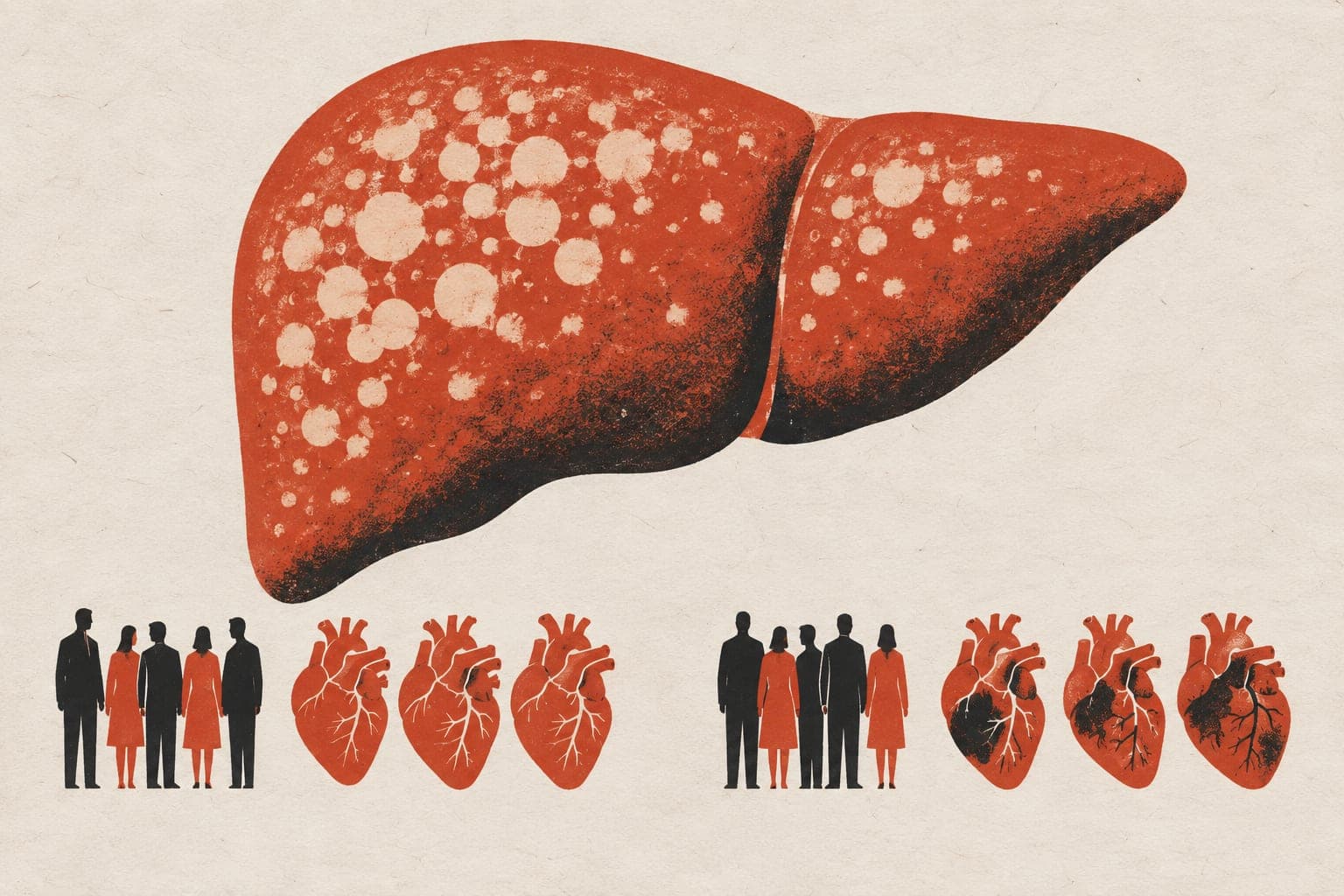
SAT-676 Geographic and Demographic Trends of MASLD Mortality in the United States (1999-2020)
Abstract
Disclosure: P. Ashar: None. S. Garg: None. K. Tamirisa: None. A. Chowdhury: None. Background: Metabolic dysfunction-associated steatotic liver disease (MASLD) has emerged as a significant contributor to liver-related mortality in the United States. MASLD is closely associated with obesity, type 2 diabetes, and metabolic syndrome, all of which have risen in prevalence over the past two decades. Understanding trends in MASLD-related mortality and differences across demographic and geographic subgroups is critical for informing public health strategies and healthcare resource allocation. Methods: Mortality records from the CDC WONDER database were analyzed for 28,905 individuals aged >35 years between 1999 and 2020, where MASLD (ICD-10 codes K75.8 and K76.0) was listed as the underlying cause of death. Age-adjusted mortality rates (AAMRs) per 1,000,000 individuals were calculated. Joinpoint regression was used to evaluate temporal trends. Differences in AAMRs were assessed by sex, race, urban-rural status, and geographic region. Results: From 1999 to 2020, the AAMR for MASLD-related mortality substantially increased from 2.5 (95% CI, 2.3-2.8) to 17.7 (95% CI, 17.1-18.3), with an annual percent change of 11.5% (p<0.001). Cumulatively, females had a higher AAMR (8.6 [95% CI, 8.5-8.7]) compared to males (6.5 [95% CI, 6.4-6.6]). When stratified by race, American Indians exhibited the highest AAMR (14.9 [95% CI, 13.4-16.3]), followed by White individuals (8.4 [95% CI, 8.3-8.5]), African Americans (2.9 [95% CI, 2.7-3.1]), and Asians (2.8 [95% CI, 2.5-3.1]). MASLD-related mortality was also higher in noncore rural areas (AAMR 8.9 [95% CI, 8.5-9.2]) compared to large central metropolitan regions (6.1 [95% CI, 6.0-6.3]). Regionally, the Midwest had the highest AAMR (8.2 [95% CI, 8.0-8.4]), followed by the West (8.1 [95% CI, 7.9-8.3]), South (8.0 [95% CI, 7.8-8.1]), and Northeast (5.8 [95% CI, 5.7-6.0]). Conclusion: MASLD-related mortality has risen significantly, with pronounced disparities across sex, race, and geographic location. The findings highlight the disproportionate burden of MASLD mortality among females, American Indians, and rural populations. Recognizing these disparities can help guide targeted public health initiatives, enhance screening efforts, and improve healthcare accessibility in the most affected communities. Presentation: Saturday, July 12, 2025
The paper
Duke University; Texas Christian University
ENDO 2025 Abstract, 22 Oct 2025, Open access, CC BY-NC-ND
Presented at ENDO 2025