Neuronal CD47 overexpression improves cognitive function in Tau P301S Mice by reducing microglial synaptic pruning and neuroinflammation
Abstract
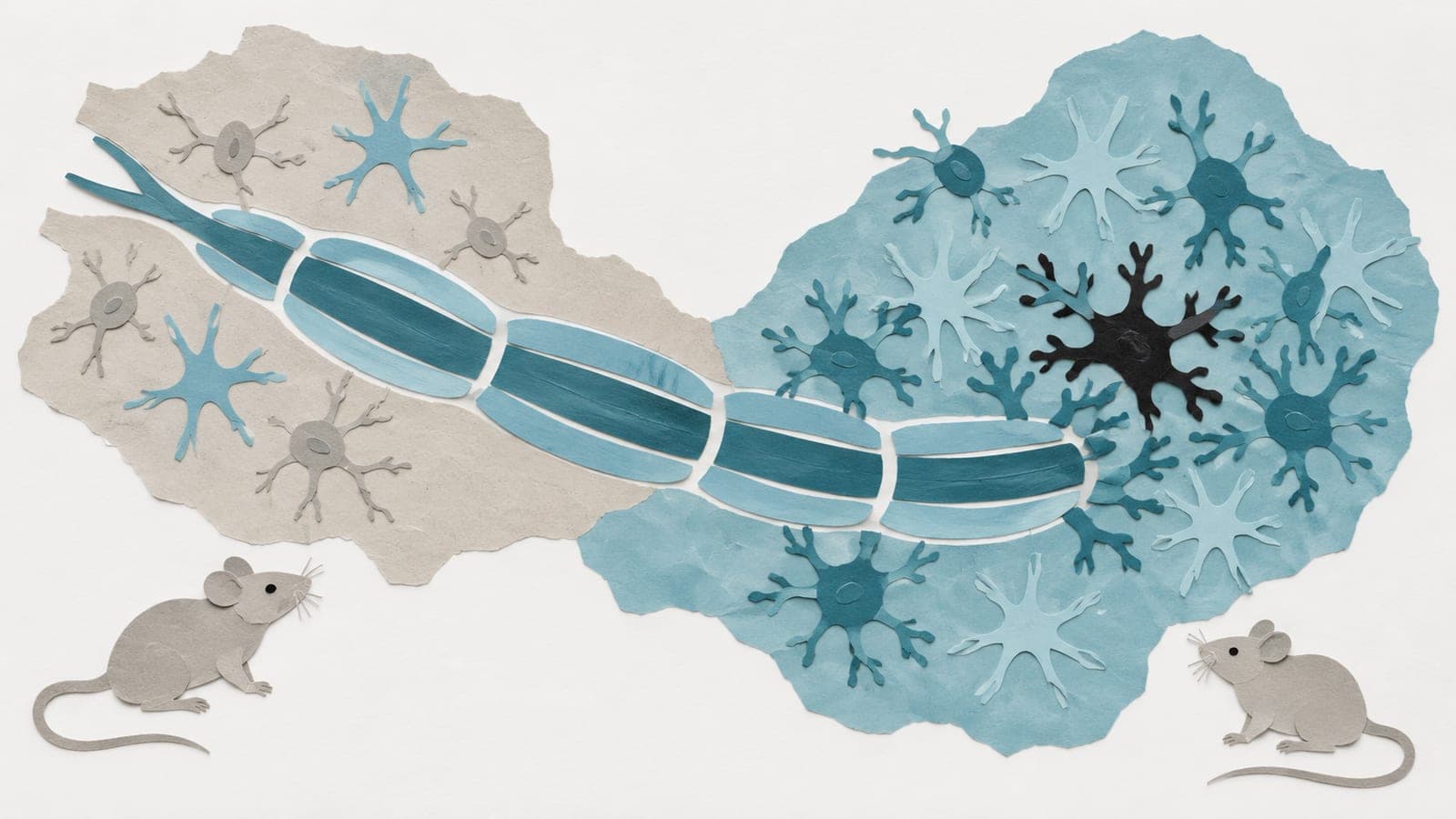
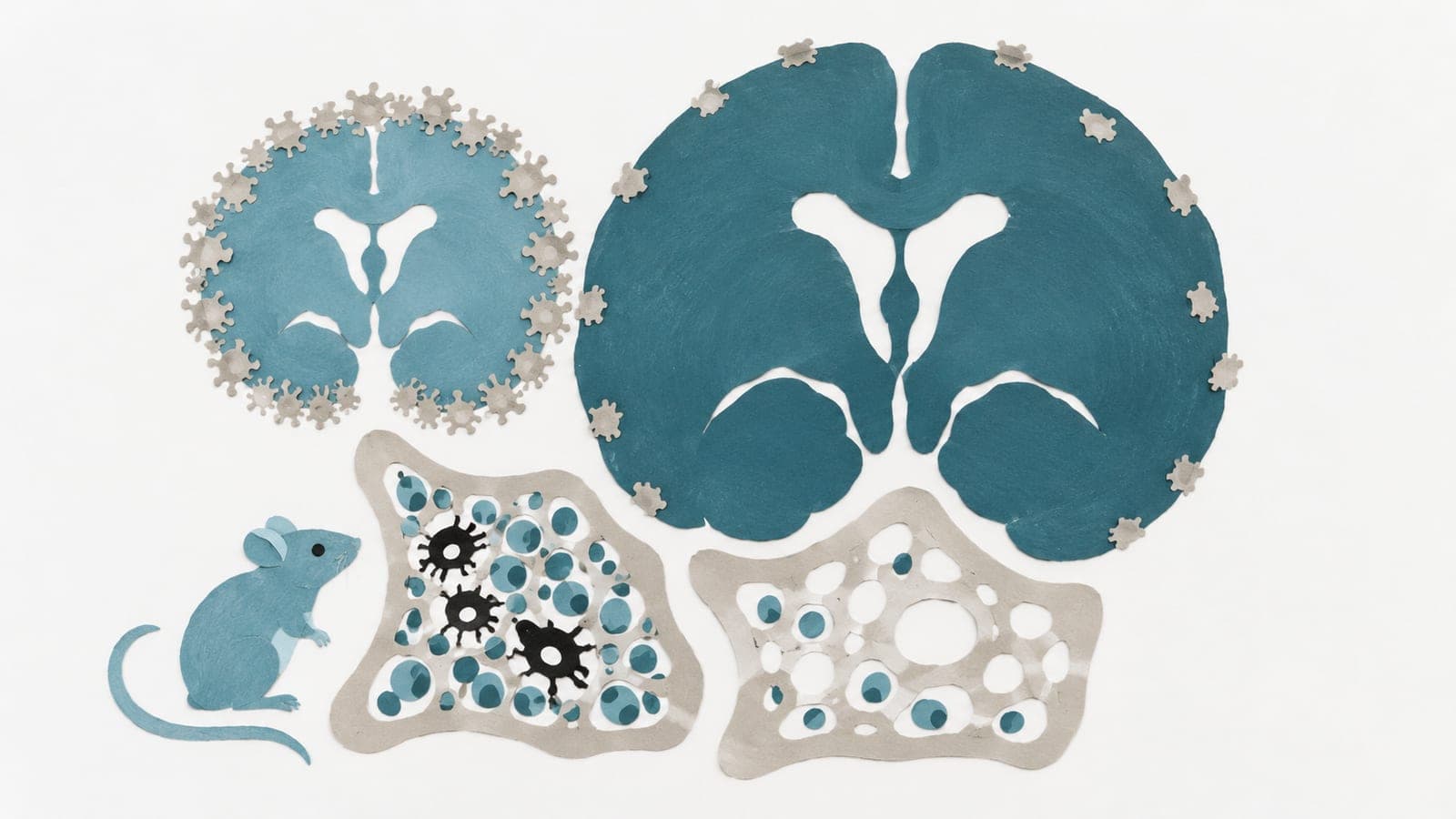
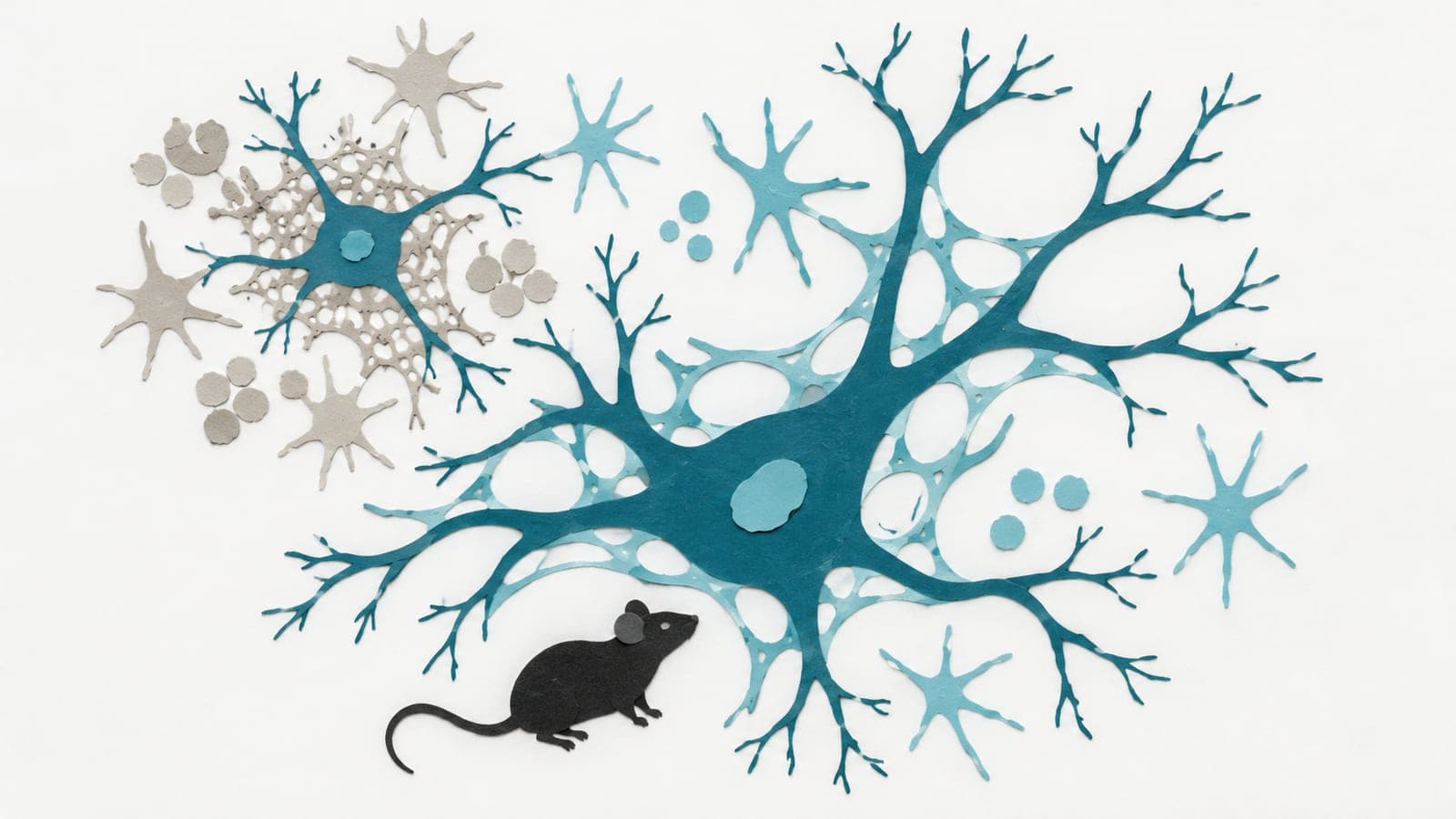
In Alzheimer’s disease (AD) and related tauopathies, microglia undergo a transition from homeostatic surveillance to a disease-associated microglia (DAM) phenotype, characterized by aberrant synaptic pruning, persistent neuroinflammation, and cognitive decline. The neuronal CD47-microglial SIRPα axis serves as a critical “don’t eat me” checkpoint that limits excessive phagocytosis. Building on our prior findings that neuronal CD47 protects synapses and limits DAM activation, the current study investigates its untapped potential in mitigating tau-mediated neuropathology. Here, we demonstrate that selective neuronal overexpression of CD47, delivered via adeno-associated virus (AAV) into PS19 tau-transgenic mice, effectively ameliorates spatial learning and memory deficits. Enhancement of neuronal CD47 signaling preserved synaptic integrity and significantly attenuated tau hyperphosphorylation. Mechanistically, CD47 overexpression preserved homeostatic microglial features and prevented the transition toward a pro-inflammatory DAM profile (Clec7a-high/P2ry12-low), thereby restraining pathological phagocytosis. This phenotypic shift was accompanied by attenuated NLRP3 inflammasome signaling, reflected in reduced Caspase-1 activation and lower levels of IL-1β and IL-18. Consistent with these mechanistic findings, cerebrospinal fluid biomarker analysis from the ADNI cohort revealed that higher CD47 levels correlate inversely with microglial activation markers and positively with synaptic integrity proteins, supporting the translational relevance of this pathway. Collectively, our findings reveal that reinforcing the CD47-SIRPα-NLRP3 axis preserves homeostatic microglial features and mitigates tau-driven neurodegeneration. These results identify neuronal CD47 as a promising therapeutic target for preserving synaptic density and cognitive function in Alzheimer’s disease and associated tauopathies.
The paper
Anhui Medical University
Journal of Neuroinflammation, Oct 13, 2026, Open access, CC BY-NC-ND