Social isolation and loneliness linked to poorer health
The adjusted probability of mental disorders was 0.243 higher with loneliness than without it, on a scale from zero to one.
Our read
Populations- Studied:
- Cohort study of 94,122 people (Multicenter)
- In the record:
- The 424th paper on loneliness with results in people; 606 on record in all.
Editor of record: Boris Djordjevic · AgingResearch.News
The 94,122 adults aged 50 and older in this 18-country longitudinal multicohort study were followed for two to ten years between 2010 and 2020. Researchers combined data from five cohorts. They measured social isolation through social contact and participation, and assessed loneliness using questionnaires.
Both isolation and loneliness were associated with a higher probability of physical diseases and mental disorders, and poorer self-rated health. Isolation or loneliness at more of the first two assessments was linked to poorer health at later assessments. People experiencing both had the poorest health outcomes. Associations were stronger among people with less education, limitations in everyday functioning, or no partner.
Why it matters
For health in later life, the authors recommend that public health strategies assess both social isolation and loneliness, particularly among people with repeated or joint exposure.
Caveats
Earlier health problems could have contributed both to social isolation or loneliness and to later poor health. The findings concern adults aged 50 and older, not younger people.
From the paper
- Participants
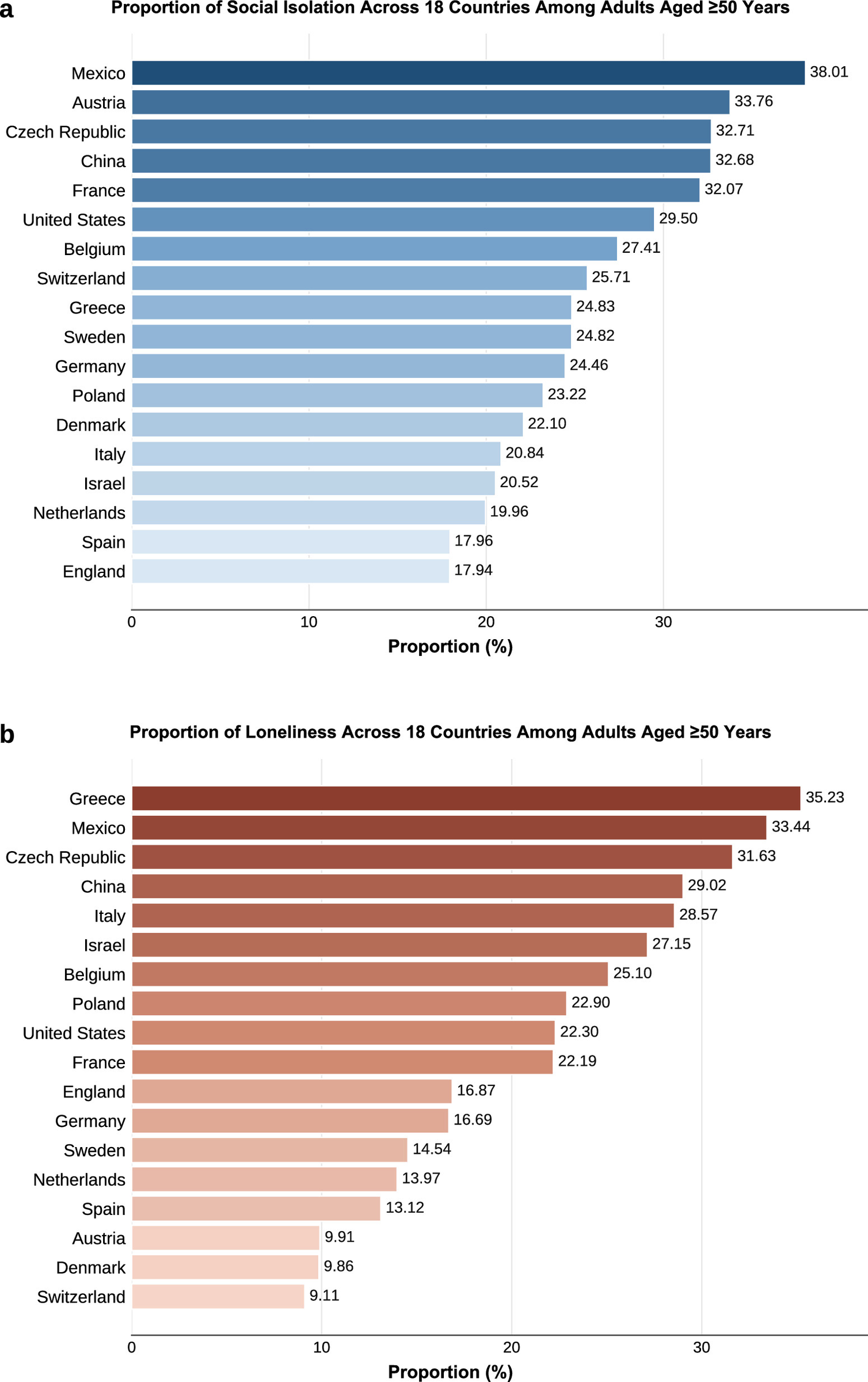
Among 94,122 participants, baseline proportions of social isolation ranged from 17.94% in England to 38.01% in Mexico, and those of loneliness from 9.11% in Switzerland to 35.23% in Greece.
- Follow-up
Adults aged ≥50 years were followed for 2–10 years during 2010–2020.
Quoted word for word from the full text on link.springer.com.
Comments
Be the first to comment.