Carbon dioxide and heatwaves linked to diabetes in China
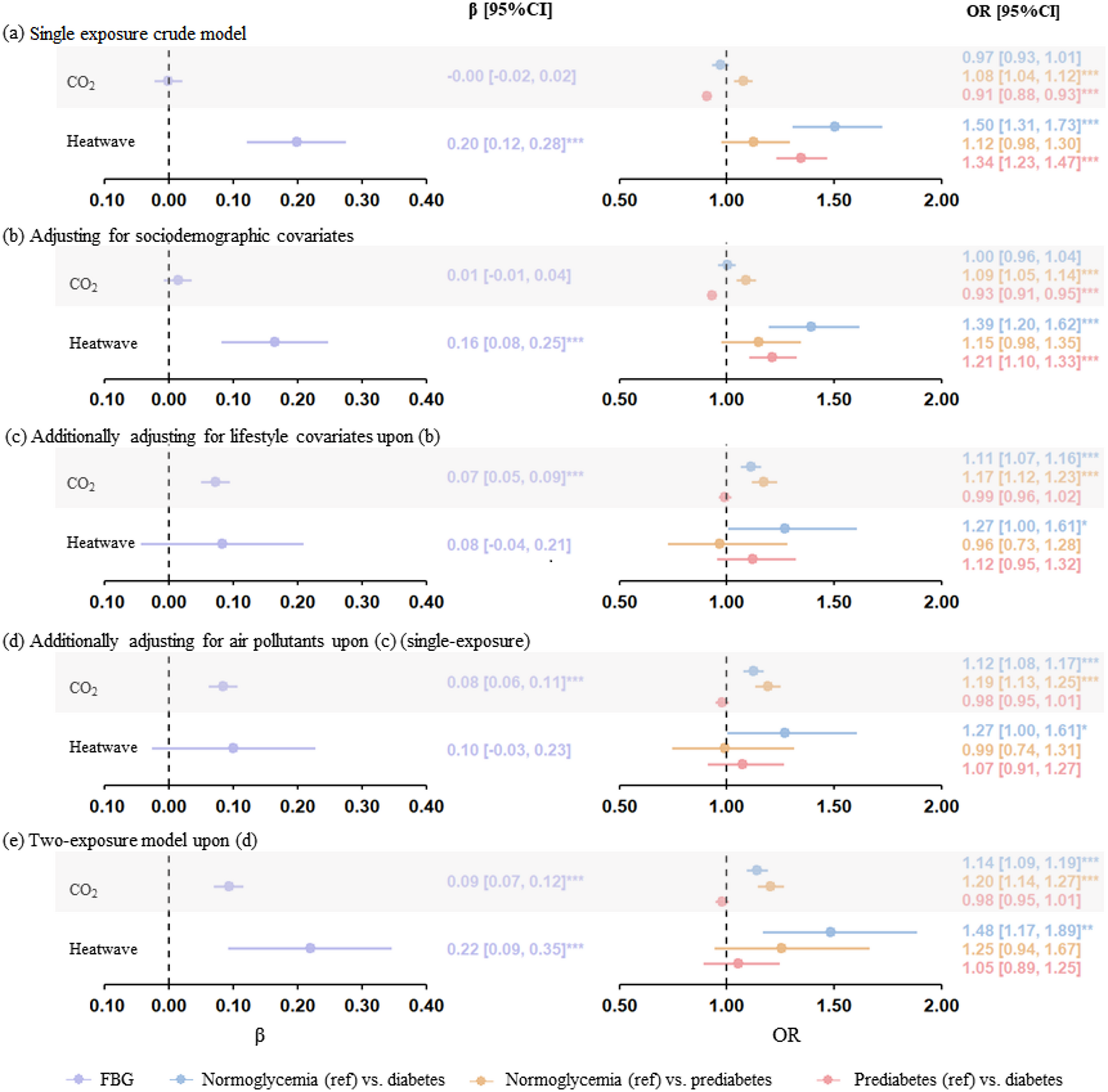
Higher carbon dioxide concentrations and more frequent heatwaves were linked to diabetes, with odds ratios—comparisons of diabetes odds—of 1.14 and 1.48, respectively.
Multicentre
Researchers analysed baseline survey data from 134,403 participants in a multi-centre cohort in China in a cross-sectional observational study. They estimated local carbon dioxide concentrations and heatwave exposure using spatial data. Their analysis adjusted for individual characteristics and accounted for differences between communities.
Higher carbon dioxide concentrations and more frequent heatwaves were each associated with higher fasting blood glucose and higher odds of diabetes. An additional analysis estimated that body mass index, a measure of weight relative to height, accounted for about 8.2% of the association between carbon dioxide and diabetes among participants who experienced heatwaves.
Why it matters
Diabetes is a leading cause of disability worldwide. Its links with climate-related exposures raise questions about environmental influences on health as people age.
Caveats
The cross-sectional analysis cannot establish whether either exposure caused diabetes. Exposures were estimated geographically, and the abstract did not specify the exposure increases behind the reported odds ratios.