A membrane pathway enables lysosome expansion in cells
Cell experiments identified a pathway that activates a protein controlling lysosomes, the cell’s recycling compartments, during senescence, a state in which cells stop dividing.
Our read
Mechanisms- Studied:
- Experiments in cells
- Why it’s aging research:
- It studies something that builds up in the body with age.
Editor of record: Boris Djordjevic · AgingResearch.News
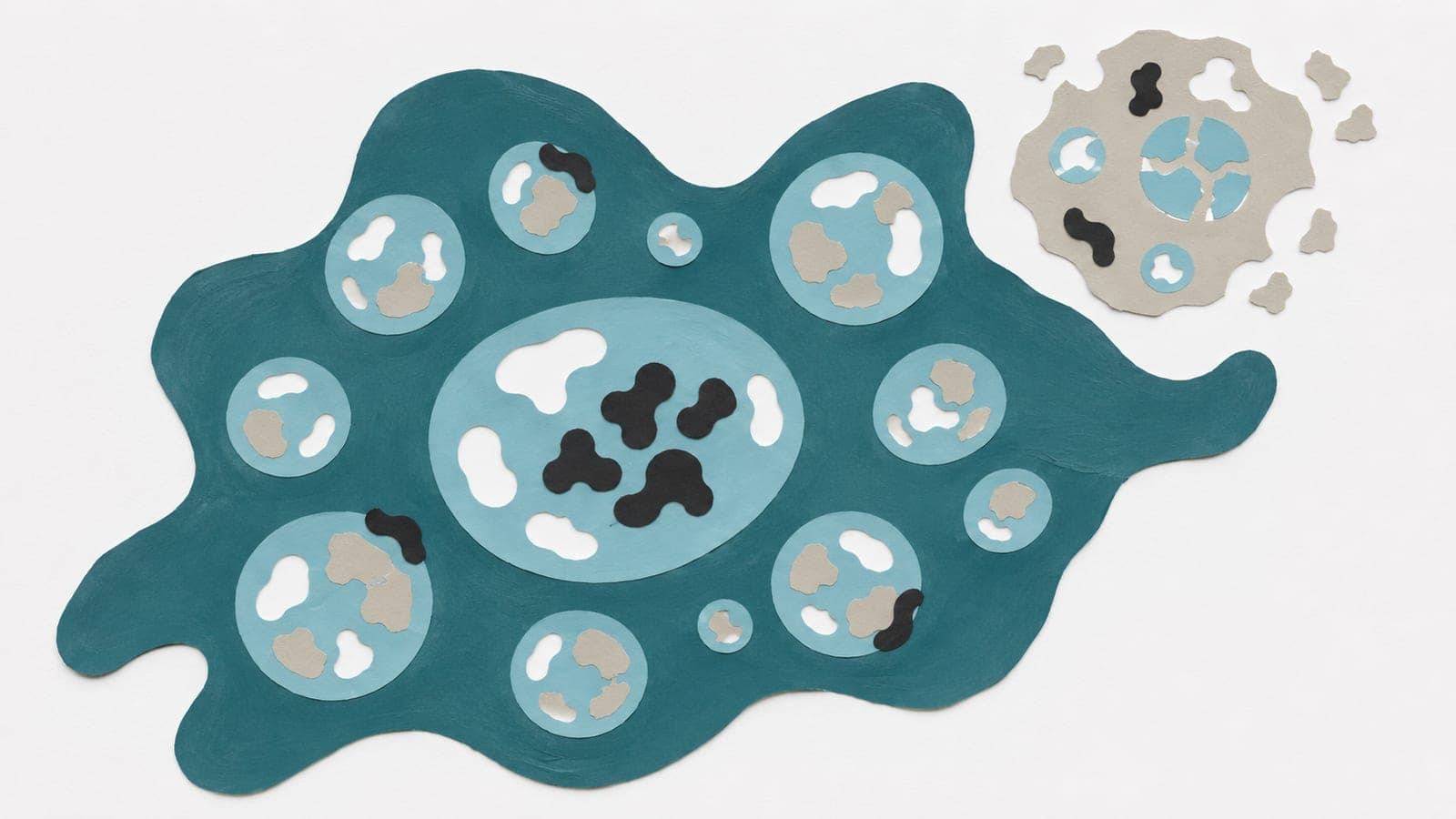
Cells grown in the lab activated TFEB, a protein that switches on genes involved in lysosome function, when experiments pushed them into senescence, a state in which cells stop dividing. Lysosomes are compartments that break down and recycle cellular material. The experiments tested CASM, a pathway that attaches proteins to single membranes.
Deleting genes needed for CASM markedly reduced TFEB’s movement into the cell nucleus, where it controls gene activity. Restoring one missing protein in its normal form restored TFEB activation, but a version defective in CASM did not. Under stress, cells lacking CASM shifted away from senescence and toward cell death. A constantly active form of TFEB reversed that shift. The authors concluded that CASM-dependent TFEB activation enables lysosomal expansion during senescence.
Why it matters
Senescence is a hallmark of aging. The authors suggest that the capacity of cells’ recycling compartments influences whether they enter senescence or die after acute stress.
Caveats
The results concern stress-induced senescence in cells grown in the lab, not aging or lifespan in animals or people.
Comments
Be the first to comment.