Calcium scans led to fewer statin recommendations in older adults
Calcium-scan guidance prompted recommendations to consider or start statins for 27% of older participants, compared with 90% under traditional risk-score guidance.
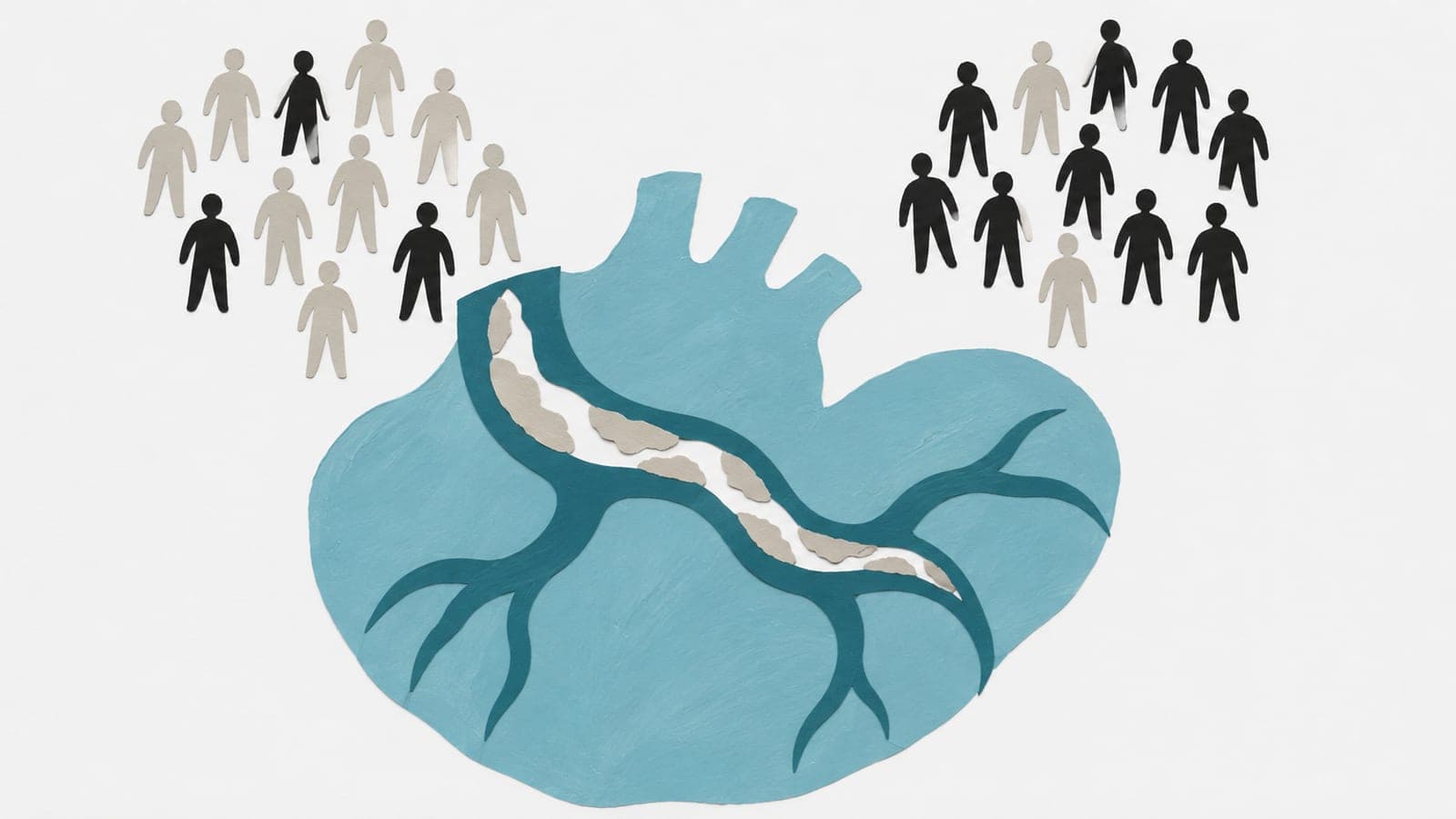
Our read
Interventions- Studied:
- Randomized trial in 2,590 adults aged 65 or older, 4.2±1.2 years, against PCE
- What changed:
- Statin recommendations were lower with calcium scans than with PCE: 27% against 90%
- The catch:
- Costs, side effects, and adherence were not reported
- In the record:
- One of 3 papers on coronary artery calcium-guided statin recommendations on record: 2 with results in people.
Editor of record: Boris Djordjevic · AgingResearch.News
The 2,590 adults aged 65 or older in a planned subgroup analysis of a randomized trial had no diabetes and had not used statins. The trial compared statin recommendations based on traditional risk factors with recommendations based on scans measuring calcium in the arteries supplying the heart. Primary care clinicians decided whether to prescribe.
Recommendations to consider or start statins were much less frequent with scan guidance. Over an average study duration of 4.2 years, the strategies did not differ significantly in the combined outcome of death, nonfatal heart attack, nonfatal stroke or a procedure to restore arterial blood flow. The range of likely effects included no difference. Death rates also did not differ significantly between strategies.
Why it matters
Age weighs heavily in traditional cardiovascular risk scores. The trial examined whether measuring artery calcium could help guide preventive statin prescribing in older adults.
Caveats
The wide range of likely effects did not establish that the strategies were equally effective, and the conference abstract did not report side effects or adherence. The findings do not address people with diabetes or those already taking statins.
- Statins
- Coronary artery calcium-guided statin recommendations
- Stroke
- Atherosclerotic cardiovascular disease
- Myocardial infarction
- Humans
The paper
Intermountain Med Cntr
AHA Scientific Sessions 2026 Abstract, Nov 2, 2026
Presented at AHA Scientific Sessions 2026, abstract 9547


Comments
Be the first to comment.