Y chromosome loss in men linked to limb artery disease
Men with Y chromosome loss in blood cells had a 37% higher relative risk than men without it, after adjustment for other factors.
Our read
Populations- Studied:
- Cohort study of 185,429 men without peripheral artery disease, against men without Y chromosome loss
- What changed:
- Symptomatic limb artery disease risk was 37% higher with Y chromosome loss than without it, after adjustment
- The catch:
- Disease identification relied on codes and self-report, potentially missing undiagnosed artery disease
- In the record:
- The 48th paper on loss of chromosome Y with results in people; 59 on record in all.
Editor of record: Boris Djordjevic · AgingResearch.News
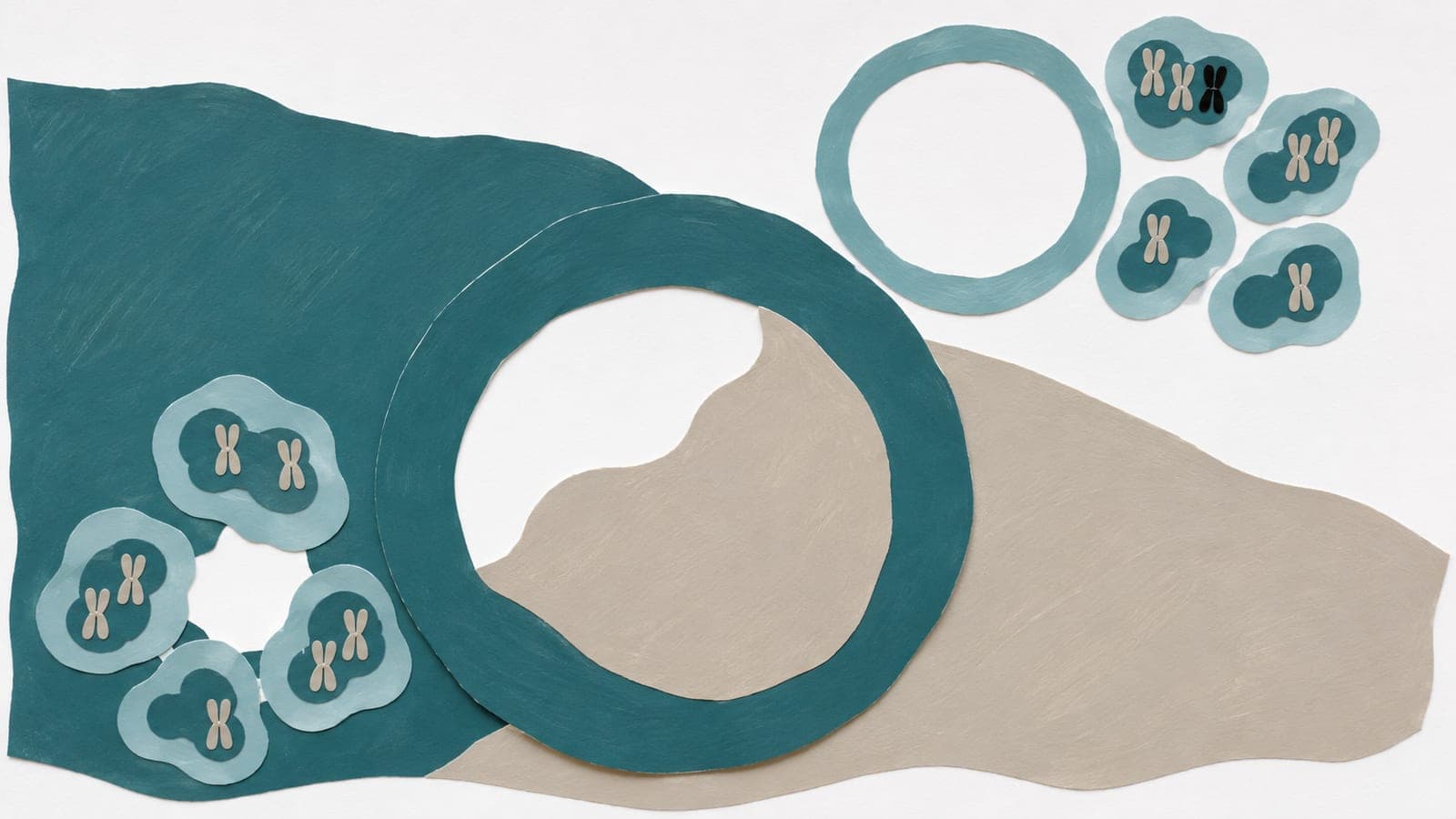
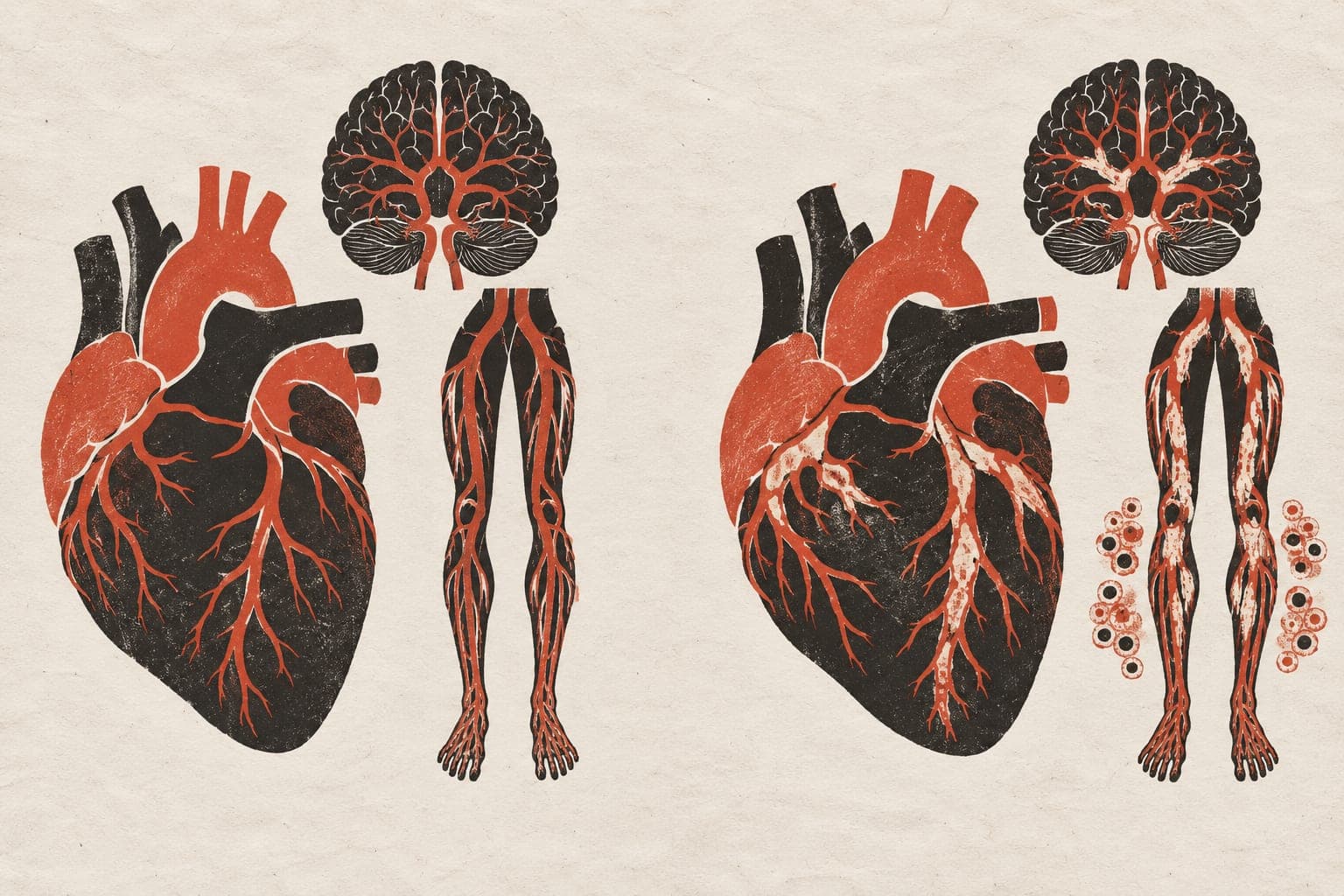
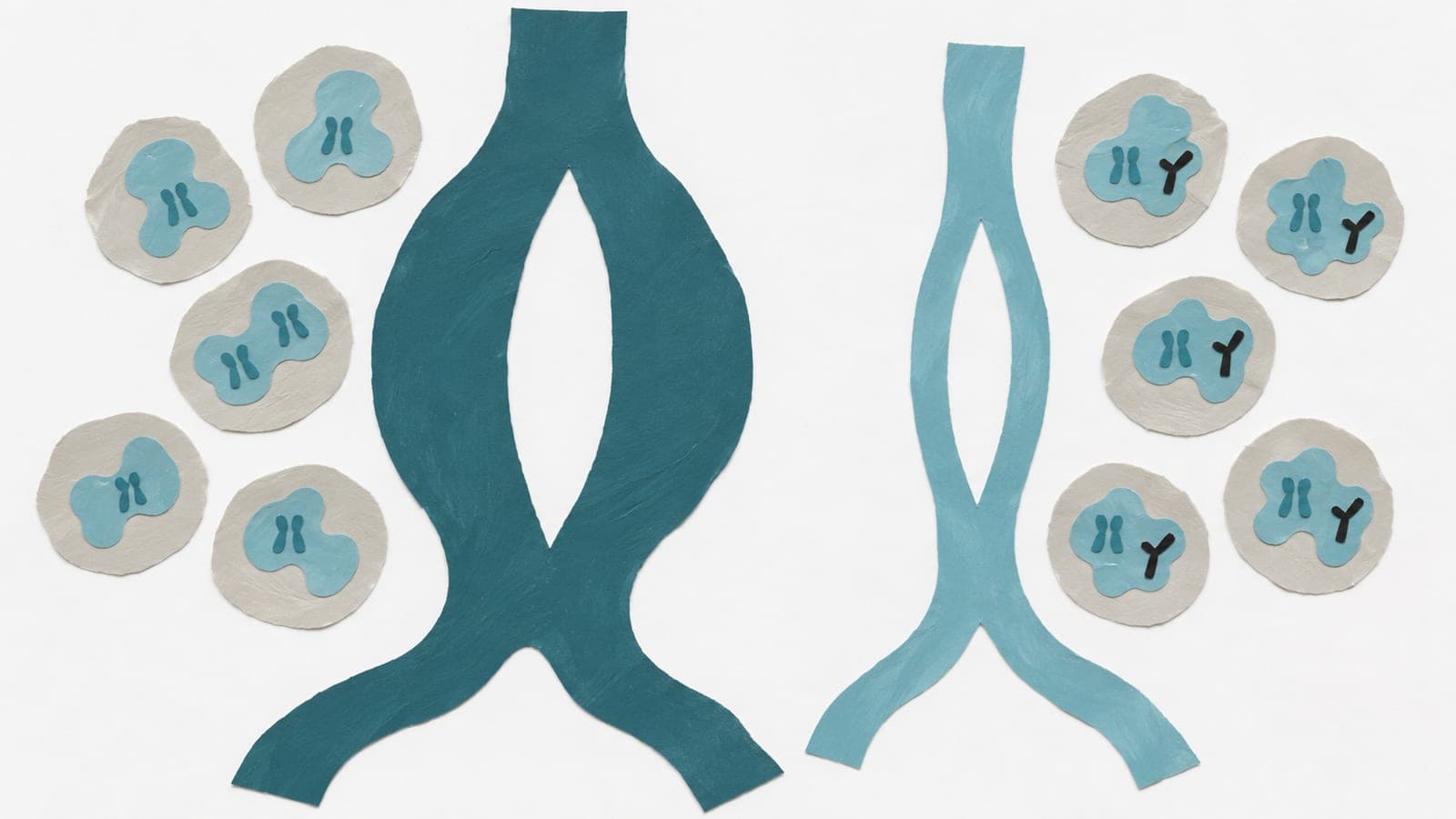
The 185,429 men in a UK Biobank prospective observational study averaged 56.8 years old and had no peripheral artery disease at enrollment. Peripheral artery disease narrows arteries supplying the limbs. Researchers used genetic data from white blood cells to assess loss of the Y chromosome, one of the sex chromosomes.
Over a median follow-up of 15.2 years, 4,106 men developed symptomatic peripheral artery disease. Men classified as having Y chromosome loss had a 37% higher relative risk than those without it after adjustment for socioeconomic, lifestyle, clinical and genetic factors. The association was consistent across smoking and inherited disease risk. The authors suggested that immune- and hormone-related pathways may partly account for the link.
Why it matters
Y chromosome loss acquired during life has been linked to age-related diseases. This work examines its relevance to the risk of symptomatic disease in arteries supplying the limbs.
Caveats
Other differences in health or exposures between men with and without chromosome loss may have contributed to the association despite adjustment. All participants were men, and 95.3% were of European ancestry, limiting how widely the findings may apply.
- Smoking
- Peripheral artery disease
- Clonal hematopoiesis of indeterminate potential
- Genetic risk of peripheral artery disease
- Loss of chromosome Y
- Humans
The paper
Shanghai Jiao Tong University; Monash University
AHA Scientific Sessions 2026 Abstract, Nov 2, 2026
Presented at AHA Scientific Sessions 2026, abstract 4625


Comments
Be the first to comment.