Exercise volume was not linked to heart valve calcium
Among 26,424 adults aged 40–80, an observational analysis found no link between reported exercise volume and calcium deposits on the aortic valve.

Our read
Populations- Studied:
- Cross-sectional study of 26,424 adults aged 40–80
- What changed:
- Exercise volume was not associated with aortic valve calcium in the group overall
- The catch:
- Exercise volume was self-reported over three months, not measured over a lifetime
- In the record:
- The 3,206th paper on physical activity with results in people; 6,813 on record in all.
Editor of record: Boris Djordjevic · AgingResearch.News
The 26,424 Cooper Center Longitudinal Study participants, aged 40–80 and including 8,287 women, underwent heart scans in a cross-sectional observational analysis. They reported the frequency, type and duration of exercise over the previous three months. The researchers compared exercise volume with the presence and volume of calcium deposits on the aortic valve, which controls blood flow from the heart into the body’s main artery.
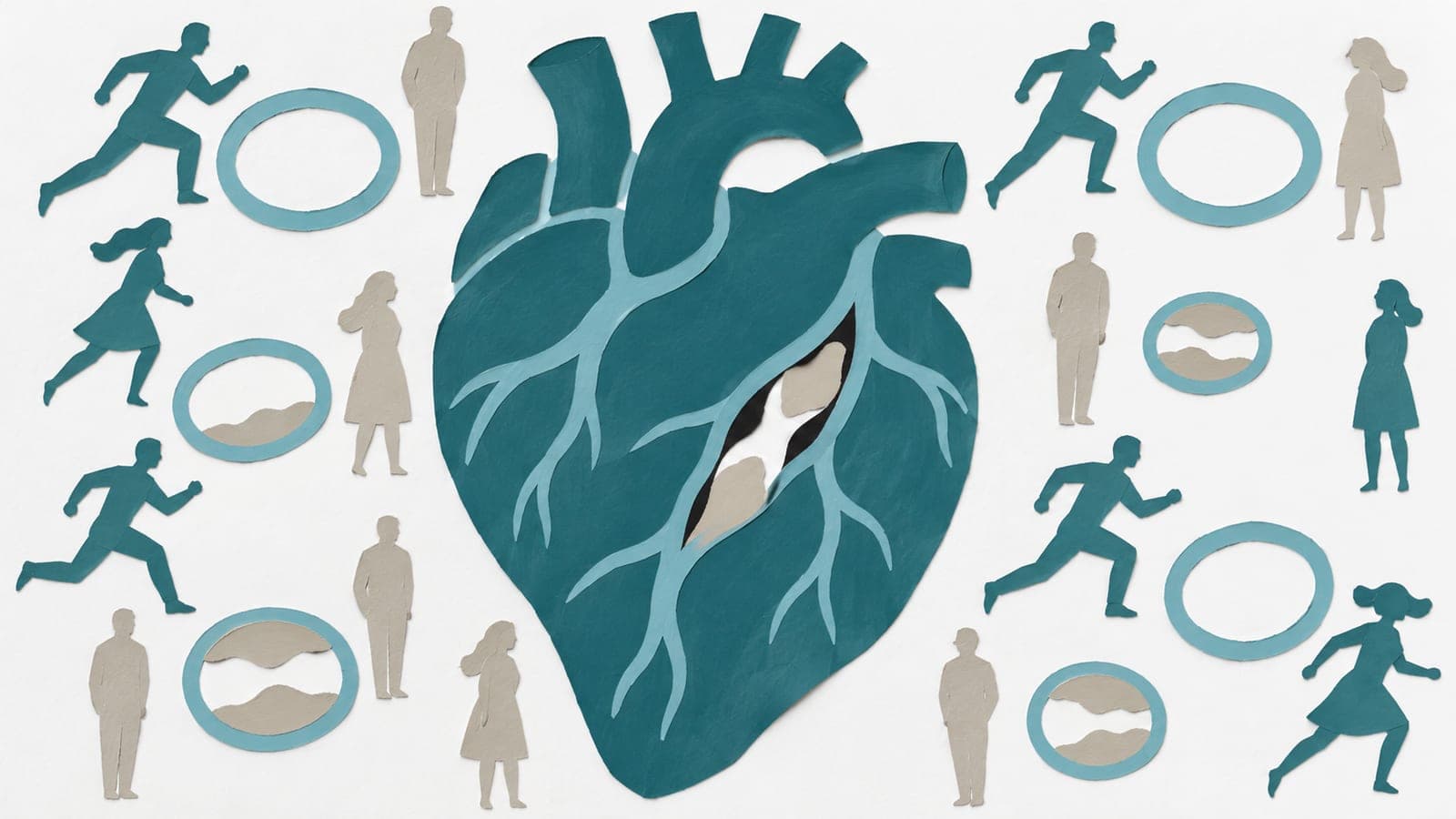
Aortic valve calcium was present in 10% of participants: 6% of women and 11% of men. Exercise volume was not associated with aortic valve calcium in the group overall.
Why it matters
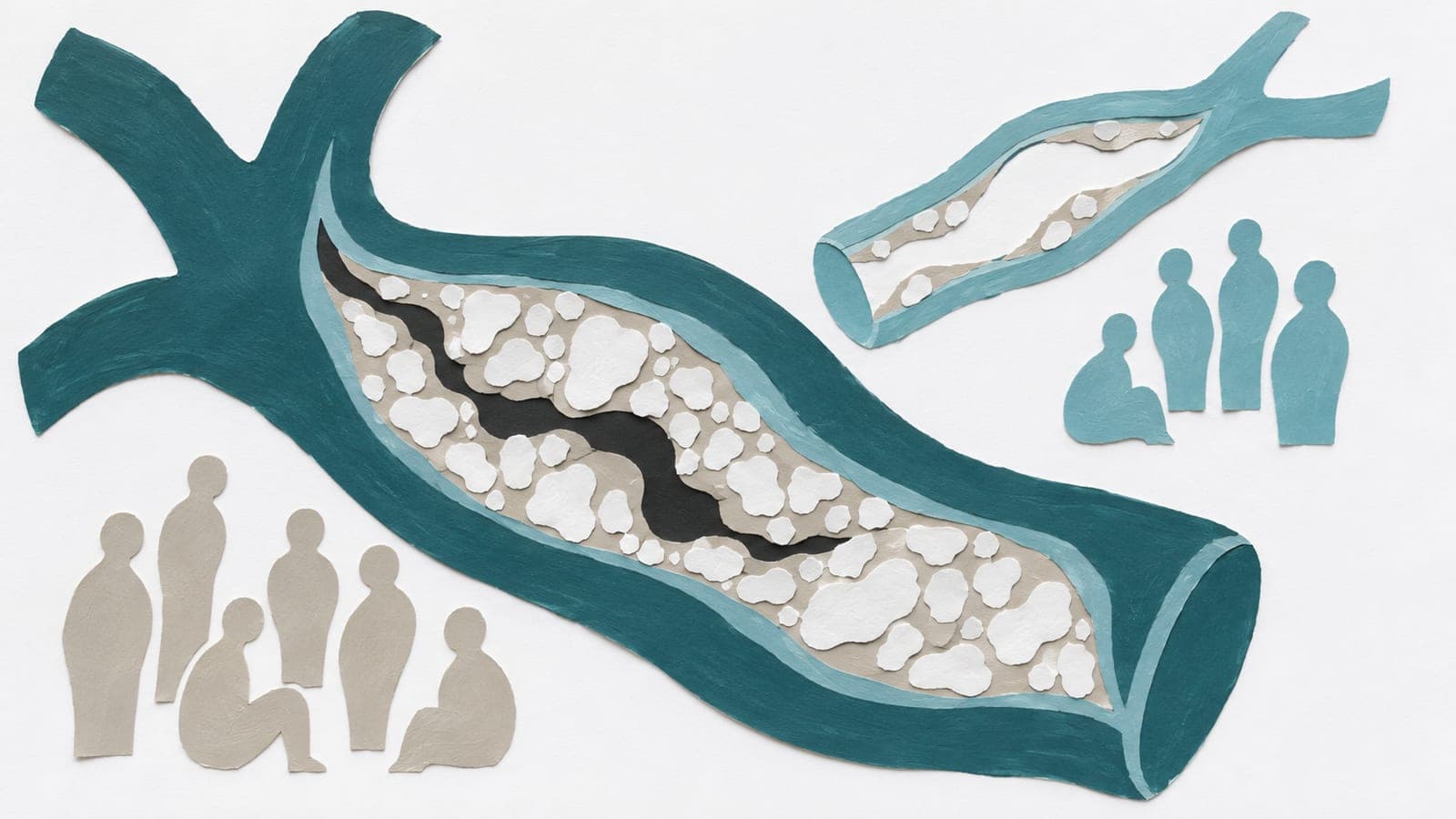
Calcium buildup on the aortic valve features in the most common form of valve disease in aging populations. The analysis addressed concerns that high exercise volumes might be linked to this buildup.
Caveats
A one-time scan and self-reported exercise over three months could not reveal how lifelong exercise related to changes in valve calcium. The findings, reported in a conference abstract, concerned adults aged 40–80, not people outside that age range.
- Physical activity
- Aortic valve calcium
- Aortic valve calcification
- Coronary artery calcification
- Coronary artery calcium
- Humans
The paper
High-Volume Physical Activity and Aortic Valve Calcium in Men and Women
Univ of Texas Southwestern
AHA Scientific Sessions 2026 Abstract, Nov 2, 2026
Presented at AHA Scientific Sessions 2026, abstract 19005

Comments
Be the first to comment.