Genetic study links two proteins to different cardiovascular risks
Human genetic analyses linked lower activity of one fat-regulating protein to lower risks of four cardiovascular diseases, while a related protein showed little association with three.
Our read
Mechanisms- Studied:
- Mendelian randomization in participants in human genetic studies
- What changed:
- Genetically predicted ANGPTL4 inhibition was linked to lower cardiovascular risks; ANGPTL3 inhibition had little association with most outcomes
- The catch:
- Genetic stand-ins do not measure effects of drugs targeting these proteins
- In the record:
- The 6th paper on ANGPTL3 with results in people; 53 on record in all.
Editor of record: Boris Djordjevic · AgingResearch.News
Human genetic data were analyzed in a Mendelian randomization study, which used inherited variants as stand-ins for inhibiting two proteins that regulate blood fats. The researchers also examined rare gene variants in three biobanks.
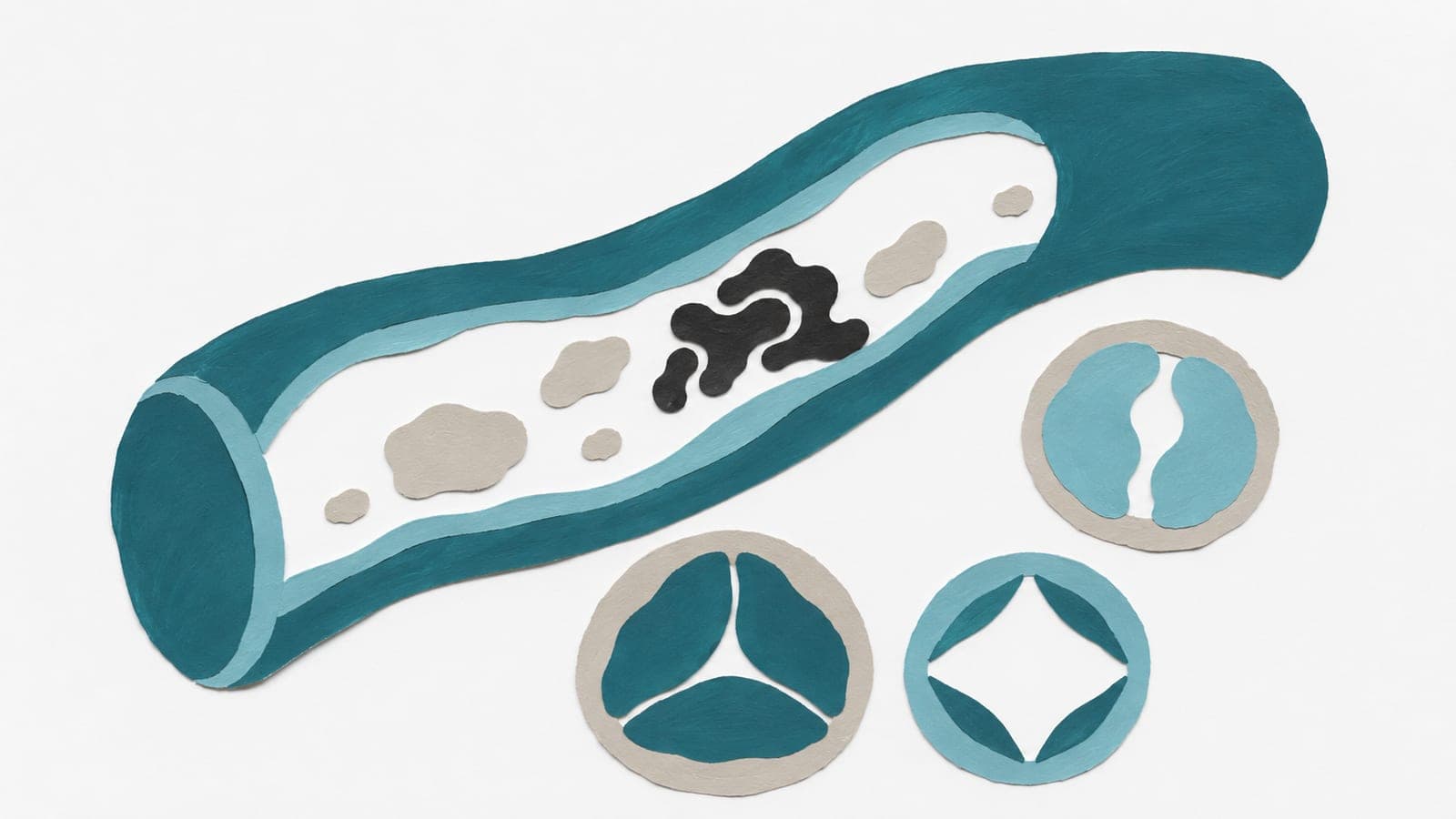
Genetically predicted inhibition of angiopoietin-like protein 4 was associated with lower risks of all four cardiovascular diseases examined. These included disease in the heart’s arteries and narrowing of the aortic valve in the heart. Predicted inhibition of the related angiopoietin-like protein 3 had little association with three outcomes and a modest link to lower risk of an abdominal aortic aneurysm, a bulge in the body’s main artery. Genetically predicted higher activity of lipoprotein lipase, an enzyme that processes blood fats, was also associated with lower risks of all four diseases.
Why it matters
Preventing cardiovascular disease is important for healthy aging. These genetic associations may help prioritize proteins that regulate blood fats as targets for drug development.
Caveats
Genetic stand-ins for protein inhibition do not measure what happens when people take drugs targeting these proteins. The conference abstract gives no numerical risk estimates, limiting assessment of the potential benefits.
- Lipid and ceramide metabolism
- Abdominal aortic aneurysm
- Cardiovascular disease
- Abdominal aortic aneurysm risk
- Aortic valve stenosis
- Humans
The paper
University of Pennsylvania
AHA Scientific Sessions 2026 Abstract, Nov 2, 2026
Presented at AHA Scientific Sessions 2026, abstract 18414

Comments
Be the first to comment.