Smoking-related DNA marks linked to death risk in older men
DNA-based estimates suggested former smokers’ overall death risk stayed elevated until 20–25 years after quitting.

Our read
Biomarkers- Studied:
- Cohort study of 10,127 older US male physicians, median 16.5 years
- What changed:
- Greater DNA-estimated smoking exposure was linked to higher death risk (hazard ratio 1.21 per standard-deviation increase)
- The catch:
- Other health differences between men with different smoking histories could contribute to mortality associations
- Why it’s aging research:
- It bears on staying healthy in midlife and later life.
Editor of record: Boris Djordjevic · AgingResearch.News
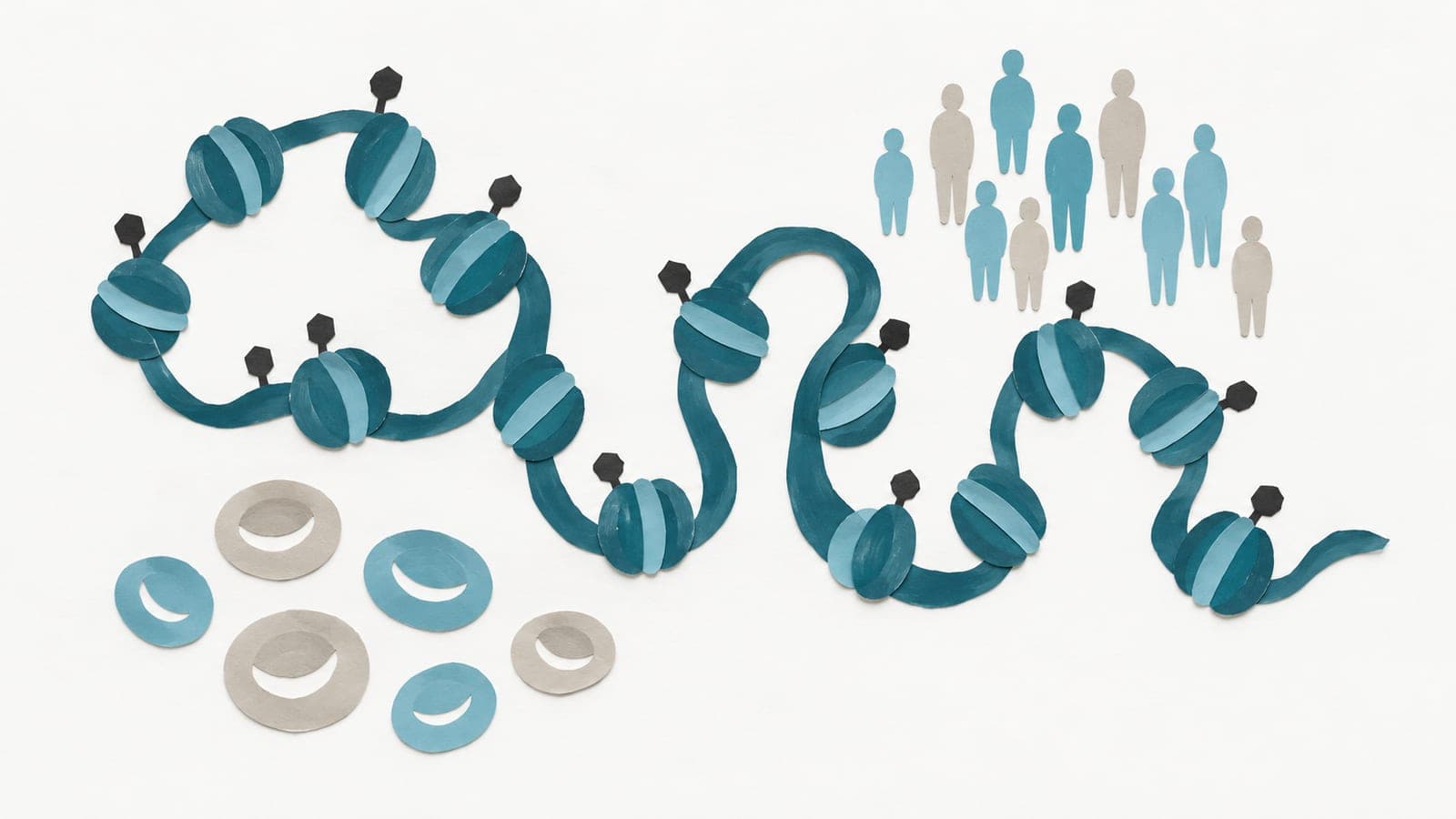
Blood samples from 10,127 US male physicians, averaging 67.2 years old, were analyzed in a prospective observational cohort study with a median follow-up of 16.5 years. Researchers measured DNA methylation, chemical tags on DNA, and developed scores estimating cumulative smoking exposure and years since quitting. They used another 1,327 participants from COSMOS/VITAL for validation.
Both scores were associated with death from any cause, even after accounting for self-reported smoking history. Higher estimated cumulative exposure was linked to higher mortality, while more estimated years since quitting were linked to lower mortality. Based on DNA-estimated years since quitting, former smokers’ elevated risks of overall, cardiovascular and cancer mortality persisted until 20–25 years after cessation.
Why it matters
Understanding mortality in later life requires reliable measures of past exposures. DNA-based smoking measures may help researchers assess risks that self-reported histories do not fully capture.
Caveats
The observational comparisons could not rule out other health differences between men with different smoking histories as contributors to the mortality associations. The main cohort consisted of older US male physicians, and the findings were reported in a conference abstract.
The paper
Smoking and Cessation, DNA Methylation, and Mortality
Div of Preventive Medicine; Brigham and Women's Hosp
AHA Scientific Sessions 2026 Abstract, Nov 2, 2026
Presented at AHA Scientific Sessions 2026, abstract 17059
Comments
Be the first to comment.