Adjusted eye-image model stayed accurate in Korean cohort
In 12,299 Korean screening participants, the authors reported that adjusted probabilities matched observed artery-calcium frequencies to approximately within one percentage point.
Our read
Biomarkers- Studied:
- Cohort study of 12,299 Korean screening participants (Independent replication, multicenter)
- What changed:
- Adjusted artery-calcium predictions matched observed frequencies to approximately within one percentage point in the independent Korean cohort
- The catch:
- The analysis measured prediction accuracy, not whether model use improved health outcomes
- Why it’s aging research:
- It bears on staying healthy in midlife and later life.
Editor of record: Boris Djordjevic · AgingResearch.News
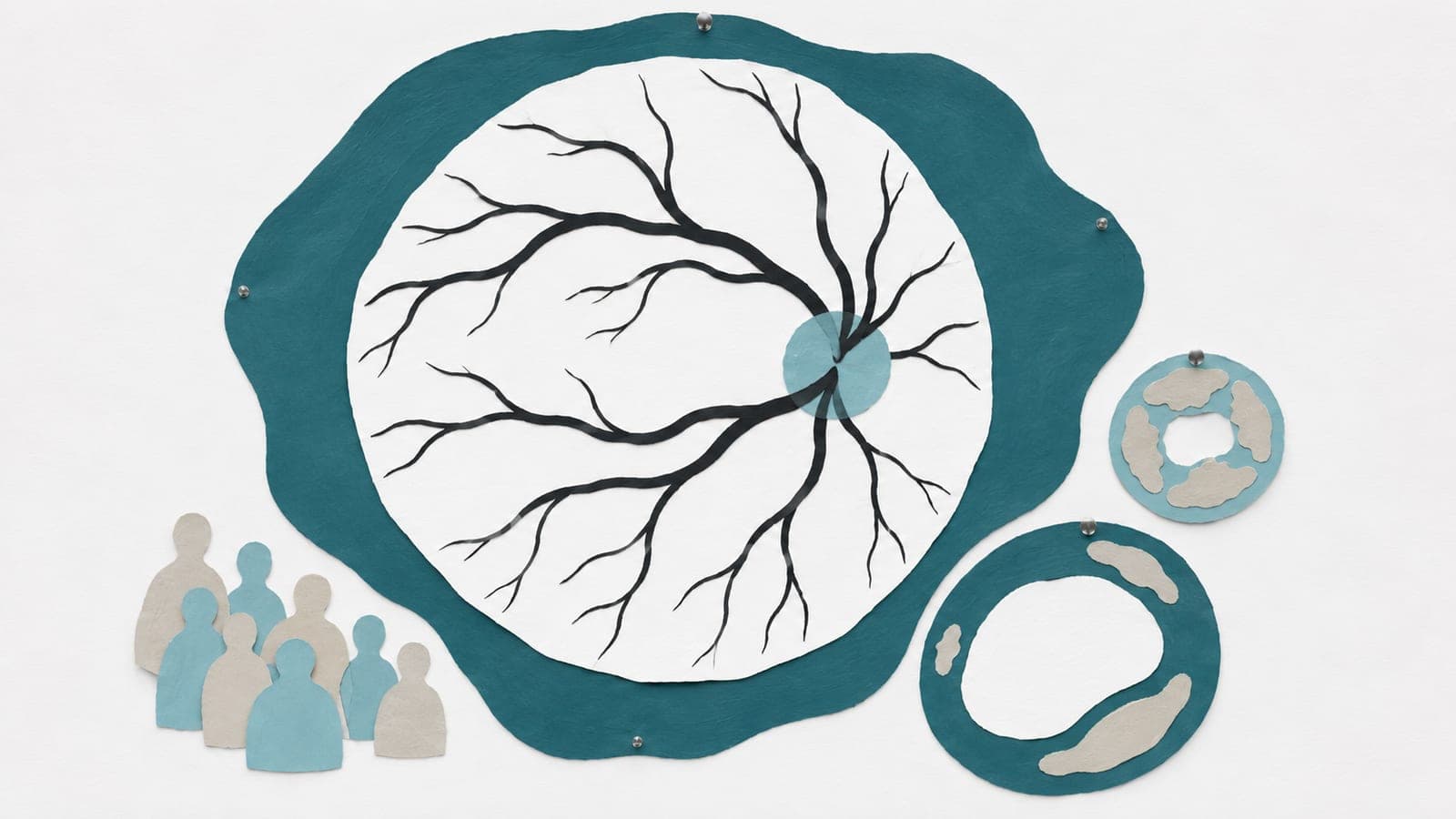
Korean screening participants and people referred for a heart scan in Greece were included in an observational validation of an eye-image prediction model. The team adjusted the model using 1,834 Korean participants, then tested it in 12,299 other Korean participants and 1,195 people in Greece. The model used images of the retina, the light-sensitive tissue at the back of the eye, to estimate the probability of calcium buildup in heart arteries.
Adjusted predictions were accurate overall and locally in the independent Korean cohort. The model also retained its ability to distinguish people above and below calcium thresholds used to guide preventive care. Performance was weaker in the Greek cohort, particularly at the highest calcium threshold. The authors concluded that the results supported using the model to help select people for heart scans.
Why it matters
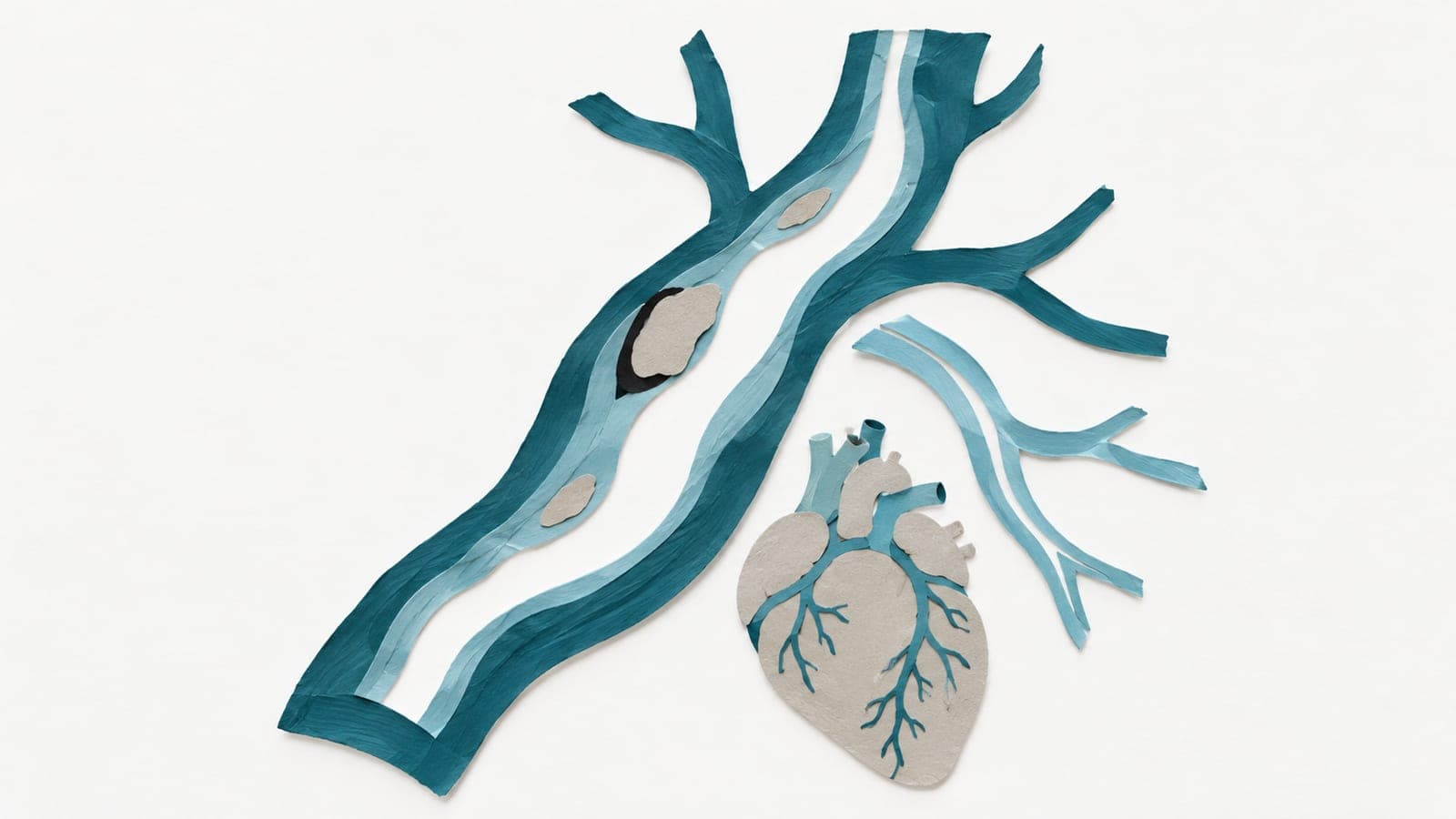
Calcium buildup in heart arteries helps guide prevention of coronary artery disease, an age-related illness. The work addresses whether eye images could help prioritize heart scans where access is uneven.
Caveats
The analysis assessed prediction accuracy and estimated decision-making benefit, not whether using the model improved health outcomes. The findings were reported in a conference abstract, and European validation involved one Greek referral center.
- Deep learning
- Coronary artery calcification
- Coronary artery calcium score
- Dr. Noon CAC score
- Dr. Noon CVD score
- Humans
The paper
Yonsei University; Mediwhale
AHA Scientific Sessions 2026 Abstract, Nov 2, 2026
Presented at AHA Scientific Sessions 2026, abstract 16411
Comments
Be the first to comment.