ninaD regulates cholesterol homeostasis from the midgut which protects against neurodegeneration
Abstract
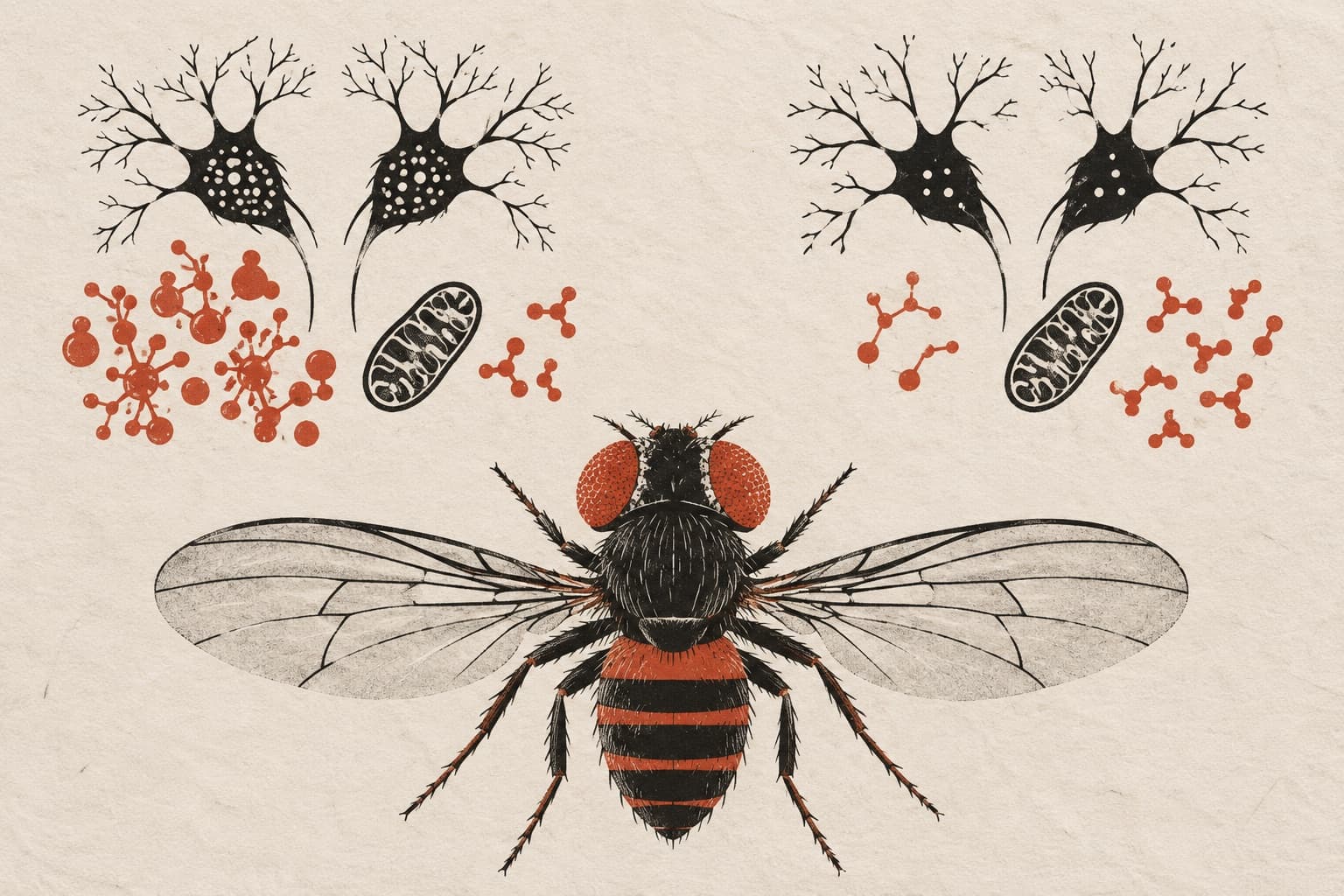
SUMMARY Cholesterol is crucial to maintain normal cellular function. In human, it has also been involved in various neurodegeneration processes, as Niemann-Pick and Alzheimer diseases. Recently, we have identified a small nucleolar RNA ( jouvence ) required in the epithelial cells of the gut (enterocytes), and showed that its overexpression extends lifespan. A transcriptomic analysis has revealed a deregulation of several genes in jouvence mutants. Among them, ninaD encoding a mammalian homolog to class B Scavenger receptor is importantly upregulated. In Drosophila, ninaD is required for the uptake of the dietary carotenoid, used for the formation of rhodopsin. Here, we show that jouvence -deleted flies are deficient in cholesterol-ester, as well as old flies present neurodegenerative lesions. Restoring ninaD mRNA expression level in enterocytes restores the metabolic cholesterol-ester level, prevents neurodegeneration and extends lifespan, revealing a gut-brain axis. Our studies demonstrates that ninaD is a central regulator of cholesterol homeostasis and a longevity-promoting factor.
The paper
Centre National de la Recherche Scientifique
bioRxiv, Nov 27, 2020, Open access, Preprint, not peer-reviewed