Brain scan model performs best in dementia detection tests
Trained on scans from 29,883 people and validated in 7,013 others, the model performed best among compared approaches to detecting dementia and mild cognitive impairment.

Our read
Biomarkers- Studied:
- Cross-sectional study of 7,013 adults with and without neurodegenerative diseases
- What changed:
- Dementia detection accuracy was higher with N than second-best markers: 6.0% for Alzheimer’s disease and 6.5% for frontotemporal dementia
- The catch:
- Validation excluded adults older than 72, leaving out an important group for dementia detection
Editor of record: Boris Djordjevic · AgingResearch.News
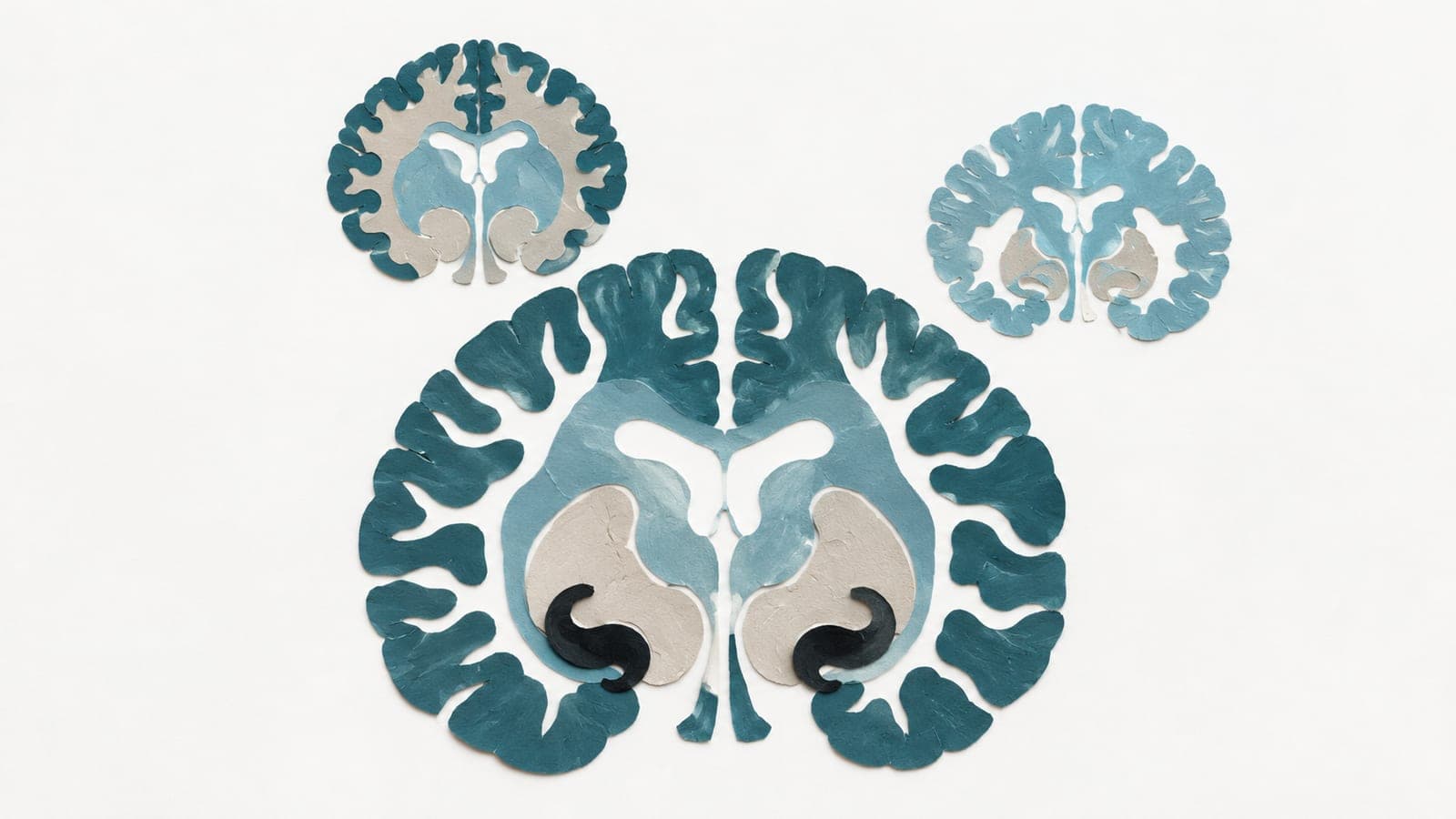
MRI scans from 29,883 people aged 22 to 72 trained the Nearest Neighbor Normativity framework, a computer model for assessing brain structure. Researchers tested it on scans from 7,013 other people, comparing it with models that estimate brain age or measure departures from reference patterns. Rather than relying on a single average, the framework allowed several common patterns of brain structure within age and sex groups.
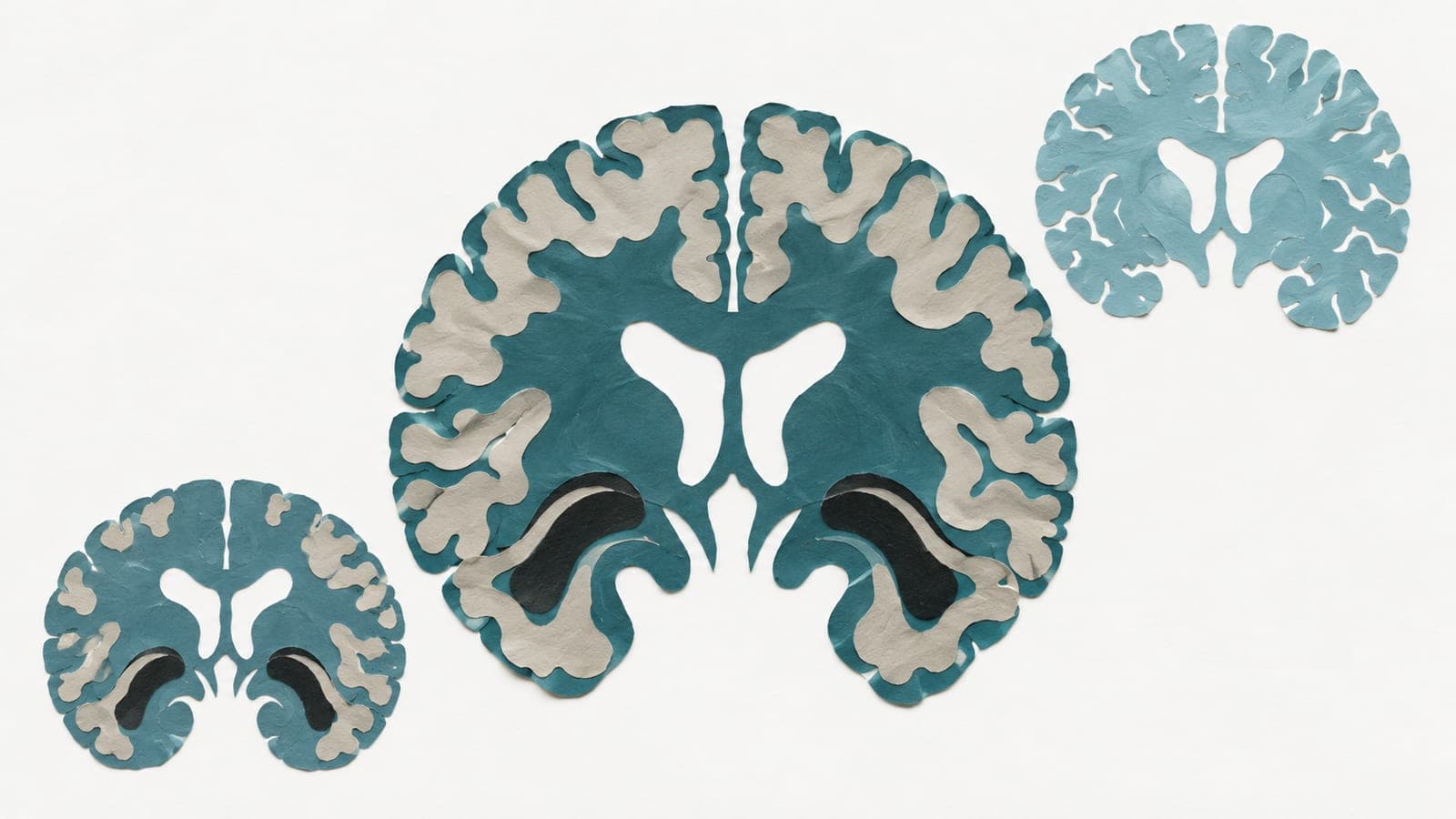
The model best distinguished people with Alzheimer’s disease, frontotemporal dementia or mild cognitive impairment from controls, both in group comparisons and individual classification. Mild cognitive impairment involves problems with memory or thinking. All approaches performed less well for this condition. The new model’s scores remained stable across age and changes in the reference sample.
Why it matters
Brain structure varies naturally as people age. The authors suggest that accounting for this diversity can help move brain-scan assessments toward more personalized care.
Caveats
The tests generally used each person’s first scan, so they assessed differences between people rather than tracking brain decline within individuals. The findings do not cover people older than 72 or younger than 22.
From the paper
- Participants
We use T1-weighted MRI data from 29,883 individuals for training and 7,013 individuals for validation, and benchmark our framework against Brain Age models and Normative Modeling.
Quoted word for word from the full text on nature.com.

Comments
Be the first to comment.