Exploring PET and MRI brain networks across healthy controls, mild cognitive impairment, and Alzheimer’s disease
Abstract
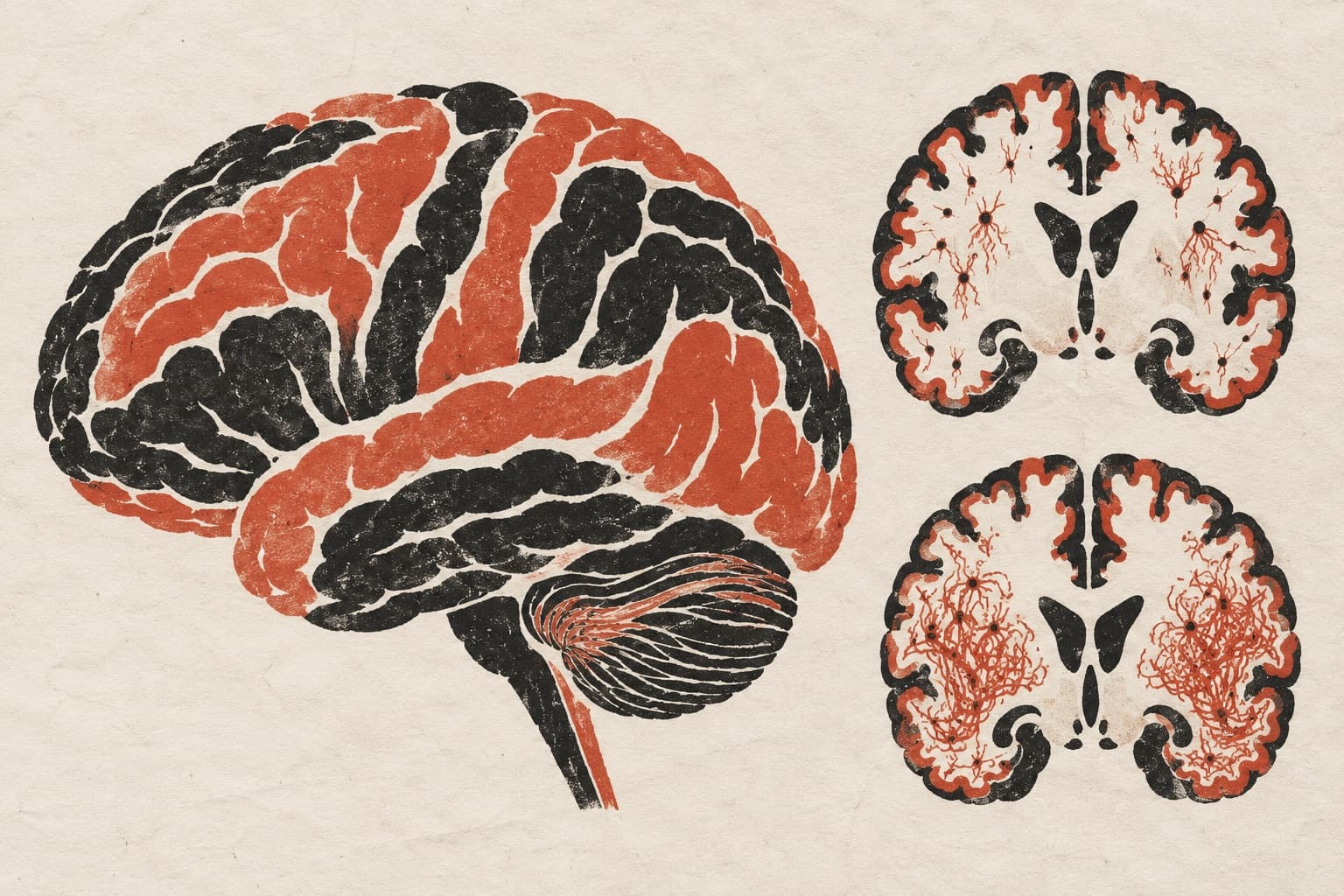
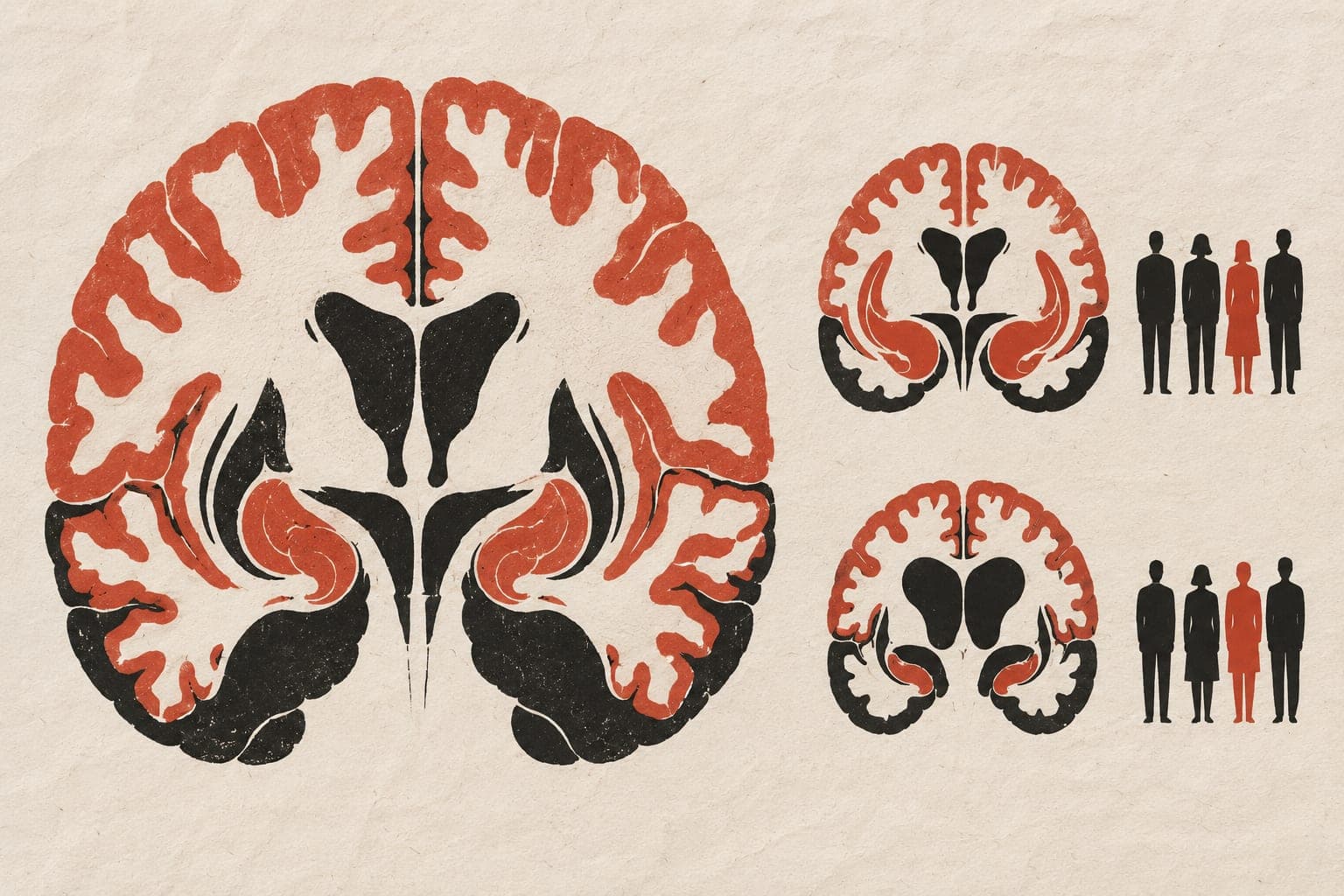
This study aimed to characterize population-level and individual-level metabolic and radiomics-derived structural brain networks across healthy controls (HC), mild cognitive impairment (MCI), and Alzheimer’s disease (AD) using multimodal PET and MRI. A total of 651 participants with both [ 18 F]FDG PET and MRI were retrospectively included, with an external cohort of 45 participants used for validation. Thirty-two AD-relevant regions of interest were retained as network nodes and characterized using PET standardized uptake value ratios (SUVRs) and a selected MRI radiomics descriptor. Population-level networks were constructed using probability density function-based similarity with Jensen–Shannon divergence, and individualized perturbation networks were derived relative to an HC reference. Network-derived features were evaluated for prediction. Both SUVR-based and radiomics-based networks showed distinct patterns in MCI and AD compared with HC. Fused network features improved discrimination compared with either modality alone, achieving one-vs-rest AUCs of 0.894 [0.868–0.917] for HC, 0.888 [0.862–0.912] for AD, and 0.814 [0.783–0.844] for MCI. These findings indicate graded network disorganization across the HC–MCI–AD spectrum and support multimodal prediction.
The paper
Chinese Academy of Sciences
NPJ Digital Medicine, 13 Oct 2026, Open access, CC BY-NC-ND