Standard lab tools detect Alzheimer's markers in blood
In 101 people, the test identified brain amyloid build-up from blood samples with an area under the curve of 0.839, matching established methods.
Scientific Reports
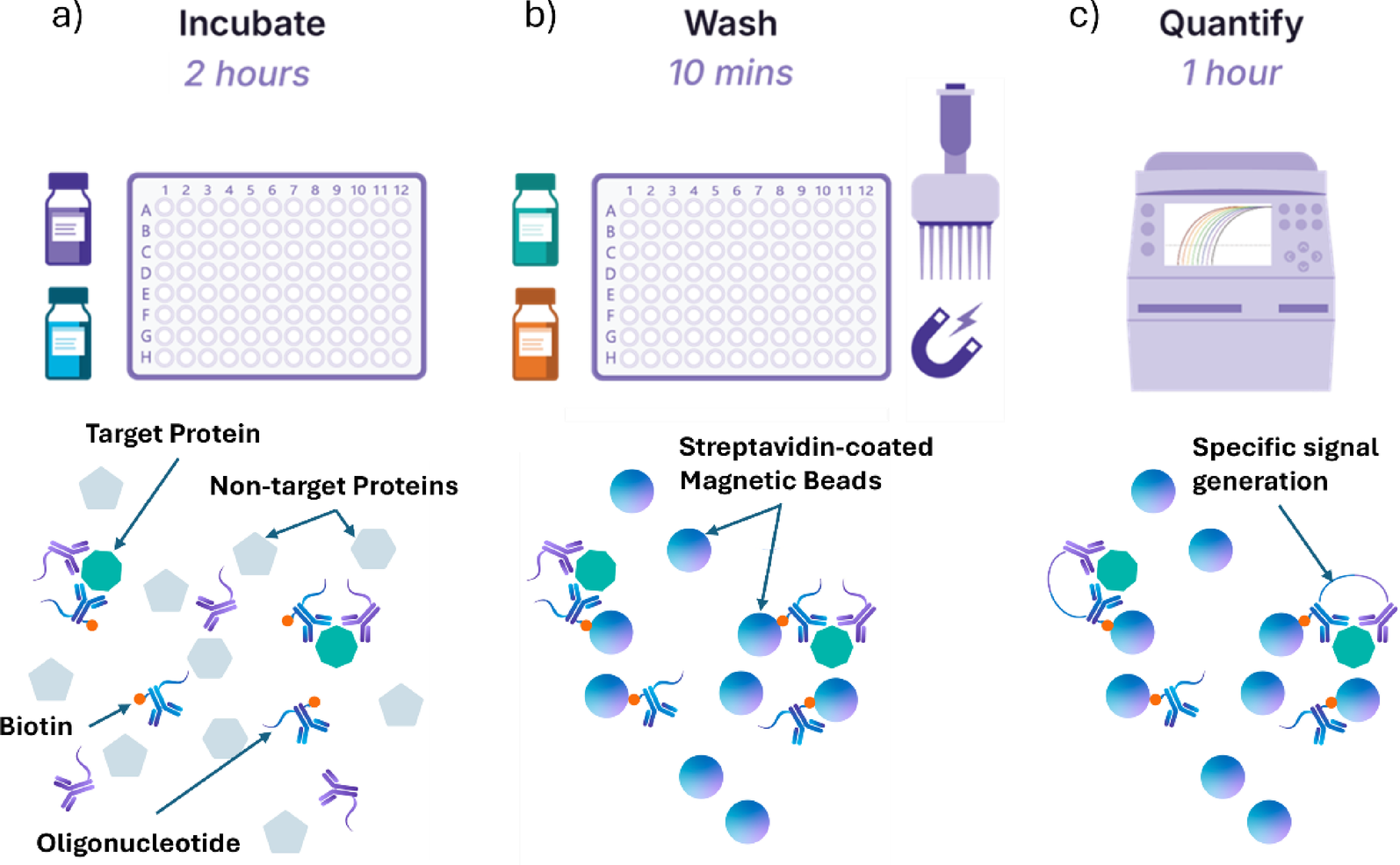
In an observational study of 101 people whose amyloid status was assessed by brain scans, researchers evaluated a platform designed to measure Alzheimer's disease proteins in blood. Ultrasensitive blood tests often depend on specialised, centralised equipment. The new method uses standard benchtop quantitative PCR machines, which are common tools used to measure genetic material. The platform targets five proteins linked to Alzheimer's disease, including pTau-217, an altered form of tau. In the study participants, blood pTau-217 measurements distinguished amyloid-positive from amyloid-negative individuals with an area under the curve of 0.839, matching the performance of three existing assays. The researchers also established compatibility with dried plasma spot samples, demonstrating potential for decentralised analysis without cold-chain storage, and applied a five-protein panel to 69 plasma samples.
Why it matters
Alzheimer's disease is an age-related condition that causes progressive cognitive decline. Simpler blood testing could help doctors and researchers detect and monitor the disease without relying on costly brain imaging or proprietary machines.
Caveats
The clinical comparison relied on an observational cohort of 101 people, and the multiplexed panel was tested in only 69 samples. Larger studies in broader populations are needed to evaluate how the approach performs in routine medical practice.