Blood sugar and fat index linked to 283 diseases
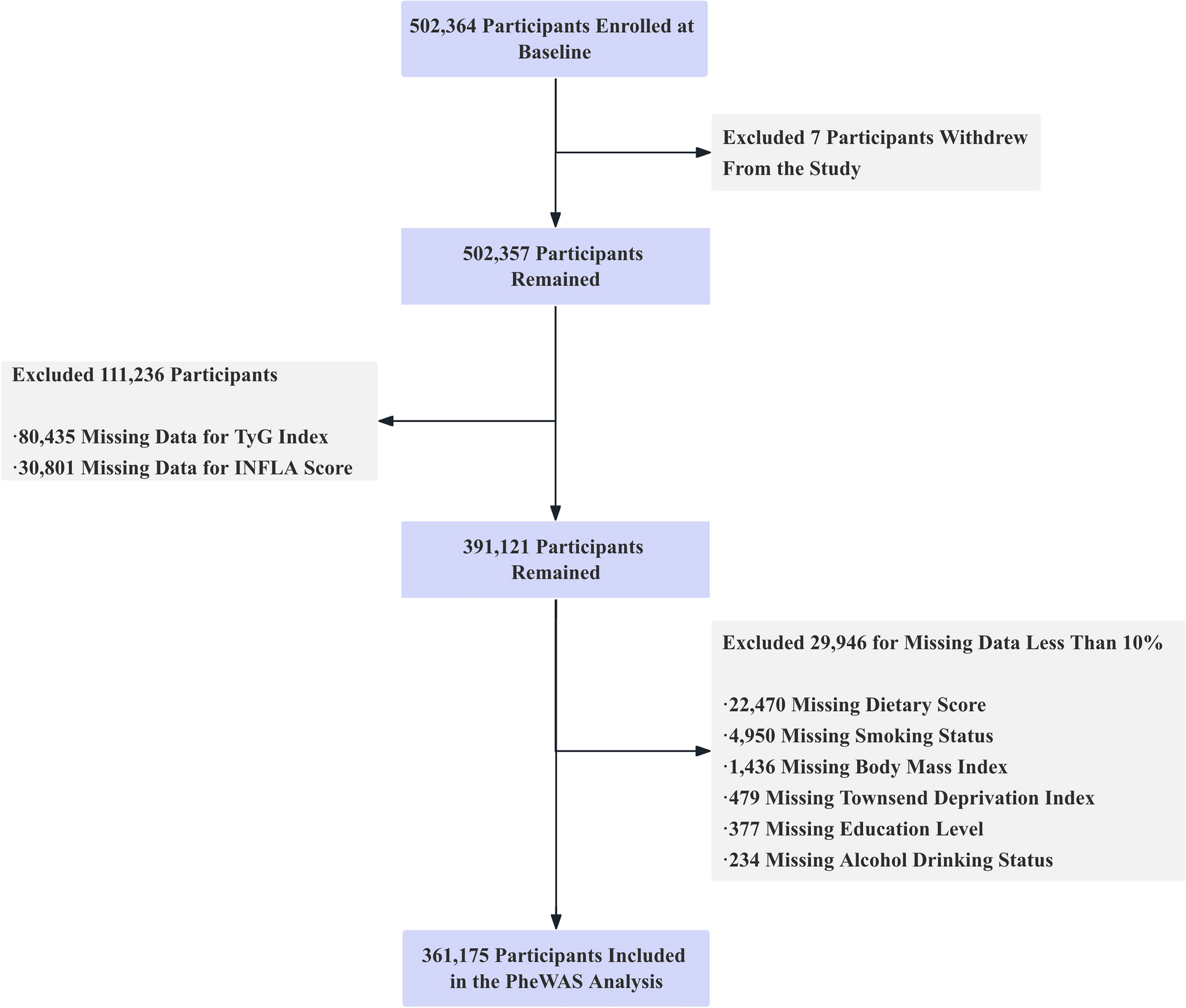
Among 361,175 UK Biobank participants followed for a median 13.5 years, higher index values were linked to 283 of 1,127 diseases tested.
Our read
Biomarkers- Studied:
- Cohort study of 361,175 people
- In the record:
- The 12th paper on INFLA-score with results in people; 22 on record in all.
Editor of record: Boris Djordjevic · AgingResearch.News
The 361,175 UK Biobank participants in this prospective cohort study averaged 56.5 years of age; 53.2% were female. Researchers examined new disease diagnoses over a median 13.5 years. The triglyceride-glucose index combines blood sugar and triglycerides, a type of blood fat. It is a marker of insulin resistance, when the body responds less well to insulin, but does not measure resistance directly.
Higher index values were linked to 283 diseases after researchers accounted for multiple other factors and the many comparisons tested. A statistical analysis suggested that a score of low-grade chronic inflammation might account for part of 217 of these links. The estimated contribution was small for many diseases. The authors described these analyses as exploratory, not evidence of an established mechanism.
Why it matters
The findings suggest that metabolic dysregulation may have broad health implications, raising questions about how metabolic health relates to disease as people age.
Caveats
Participants’ underlying health or other differences could have contributed to both their index values and later disease. These findings in UK Biobank adults may not apply to other populations.

Comments
Be the first to comment.