Obesity profiles linked to muscle and spinal disc disease
Higher-risk subtypes had hazard ratios, a relative-risk measure, of 1.43 for sarcopenia (muscle wasting) and 1.31 for spinal disc disease versus non-obese participants.
Edited by Boris Djordjevic · AgingResearch.News
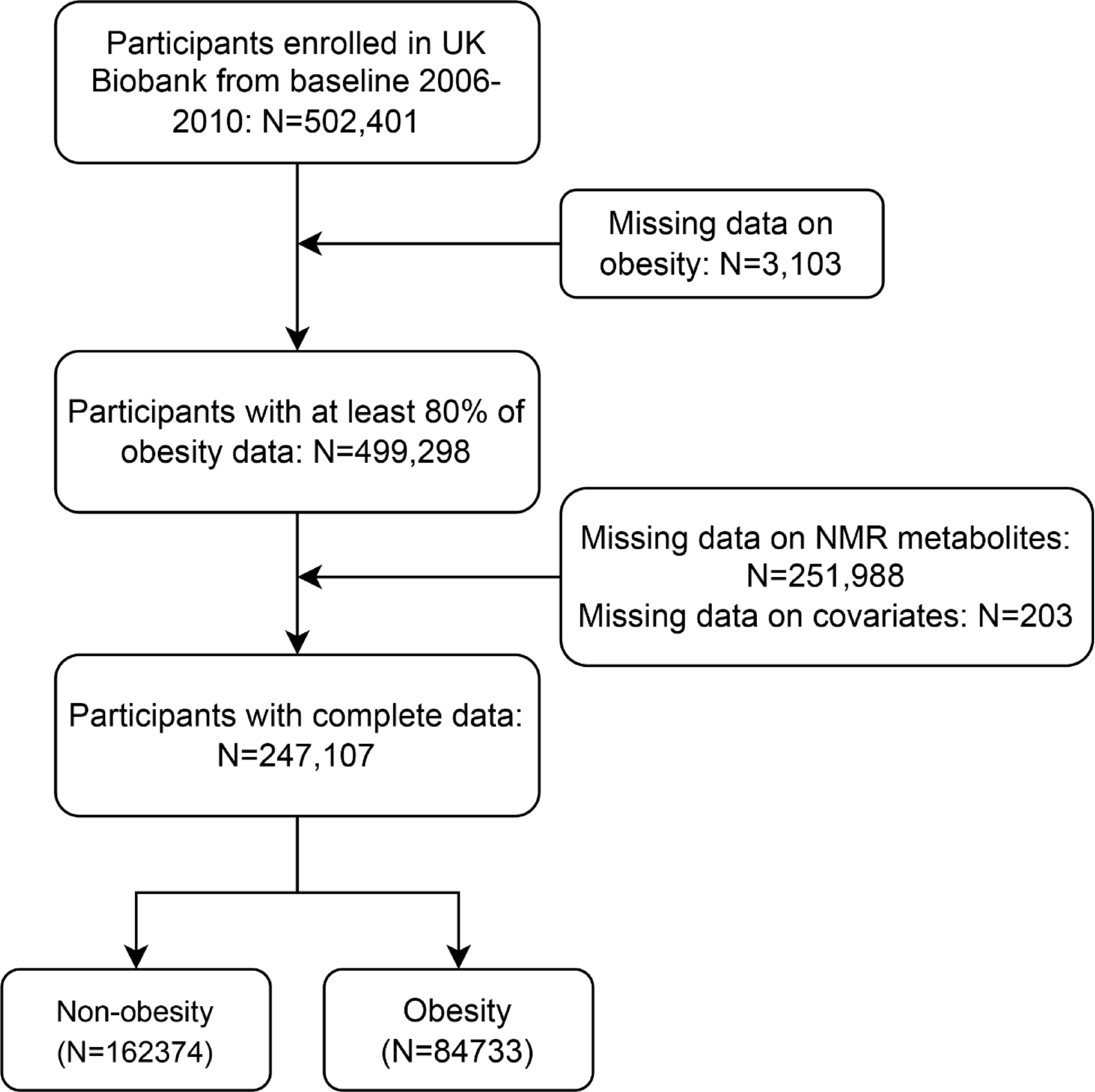
An observational study followed 247,107 community-dwelling UK Biobank participants for a median of 13.8 years. Researchers analyzed 251 substances in blood plasma. They selected 13 that best distinguished central obesity—excess fat around the waist—and identified four metabolic subtypes.
After adjusting for other factors, subtypes II and III were linked to higher risks of sarcopenia and spinal disc disease compared with non-obese participants. Sarcopenia involves loss of muscle mass and strength. Spinal disc disease affects the cushioning discs between spinal bones. The researchers found no statistically significant differences among subtypes in risks of osteoporosis, which weakens bones, or rheumatoid arthritis, an inflammatory joint disease.
Why it matters
The authors propose metabolic classification as a framework for more targeted prevention and management of muscle and skeletal disorders relevant to healthy aging.
Caveats
This observational study cannot show that the metabolic profiles caused disease. The abstract does not clarify how the two reported hazard ratios map to the two higher-risk subtypes.

Comments
Be the first to comment.