Memory-linked brain cells reactivate less in aged mice
Experiments comparing young and aged mice found changes in the organization of memory-related brain activity and in gene responses during recall.
Limit: Cell reactivation was inferred from FOS-based activity mapping, an indirect marker of neuronal activity
Edited by Boris Djordjevic · AgingResearch.News
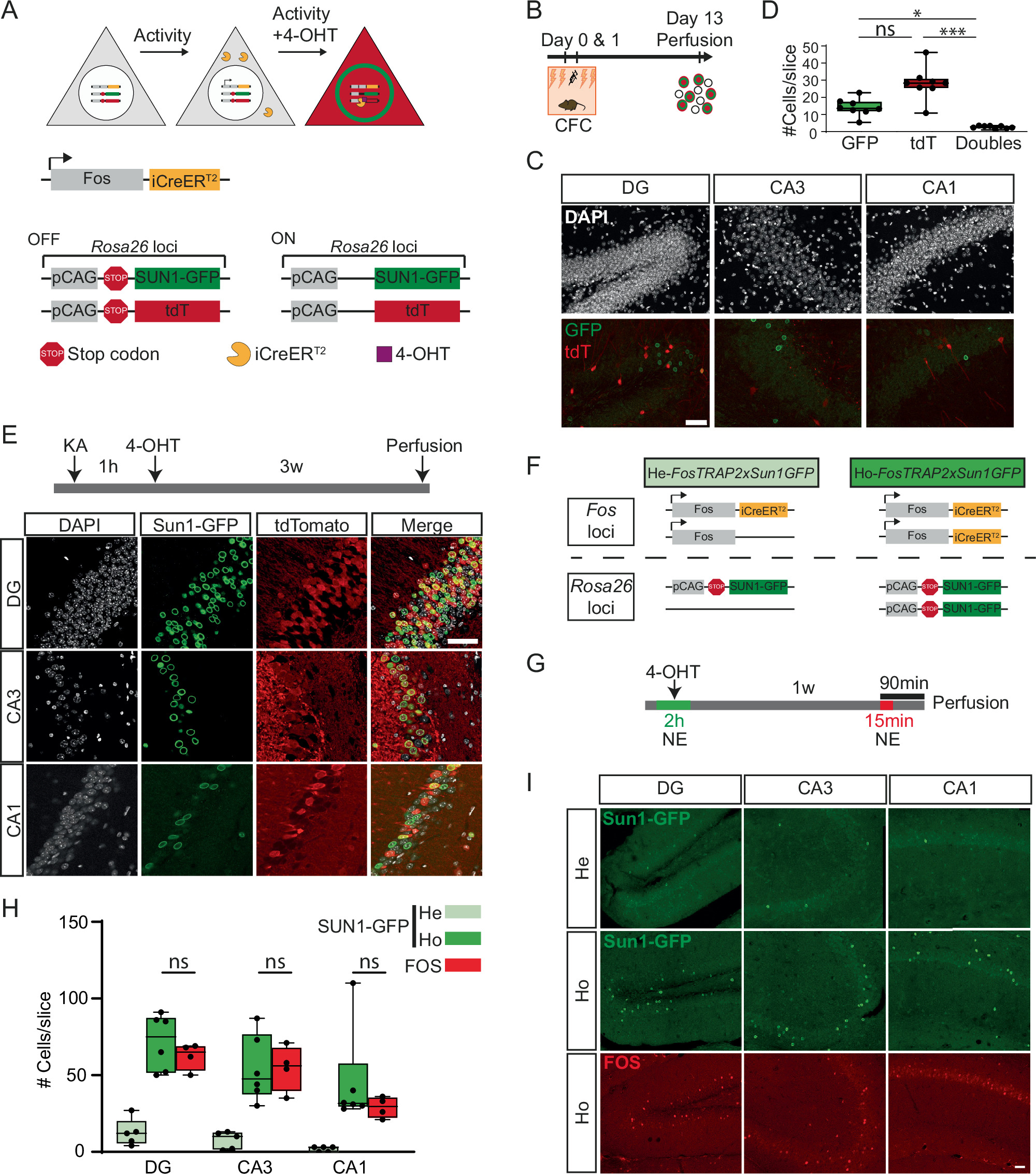
In experiments in young and aged mice, researchers tracked nerve cells activated as the animals formed and recalled a fear memory tied to a setting. They mapped activity across the brain and measured gene activity in individual cell nuclei, the compartments that hold DNA.
The brain-wide analysis found age-related differences in which memory-related cells became active, where they were located and how activity was coordinated between brain regions. In aged mice, memory traces—groups of cells involved in storing a memory—reactivated less during recall than in young mice. They also showed less coordinated gene responses to brain activity, particularly in the dentate gyrus, a brain region involved in memory.
Why it matters
Memory becomes less precise with age. Understanding the organization and gene activity of memory-related cells may help identify targets for addressing age-related cognitive decline.
Caveats
The activity and gene measurements did not establish which changes caused memory decline. The work was in mice, and the abstract does not report the number studied.
Where the evidence stands
Synaptic transmission
- 105 independent labs in 29 countries
- 2 findings against
- Funders: National Institutes of Health and others
- 8 of 132 findings with company ties
SST
- Funder: National Institute on Aging
The paper
Aging alters the distribution, stability, and transcriptional signature of engram cells
Consejo Superior de Investigaciones Científicas
Nature Communications, Oct 31, 2026, Open access, CC BY-NC-ND


Comments
Be the first to comment.