Protein linked to bone-eroding cell formation in lab experiments
Cell experiments linked the protein to energy production and antioxidant regulation, two processes coordinated as bone-eroding cells develop.

Our read
Mechanisms- Studied:
- Experiments in cells
- Why it’s aging research:
- It bears on staying healthy in midlife and later life.
Editor of record: Boris Djordjevic · AgingResearch.News
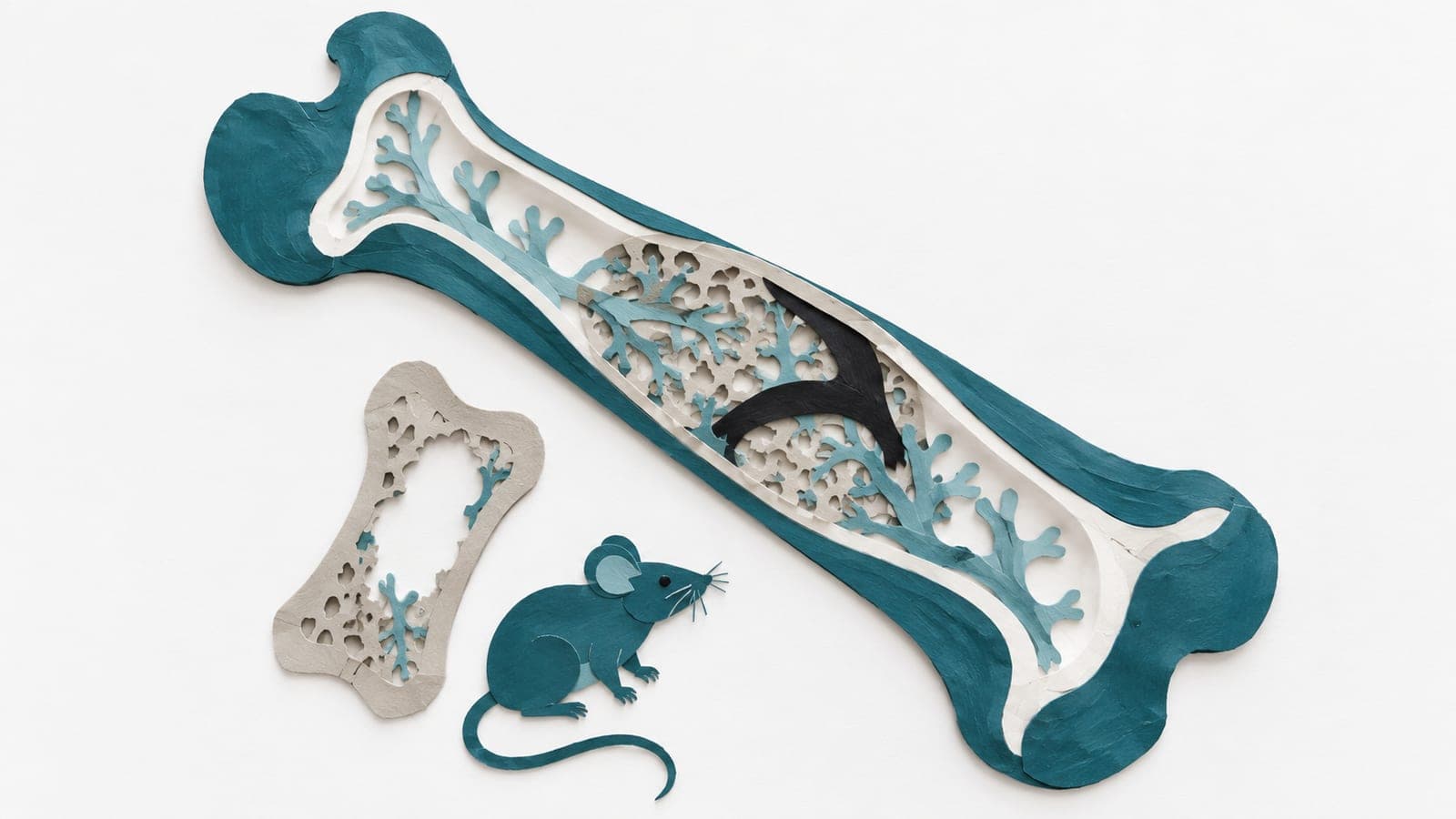
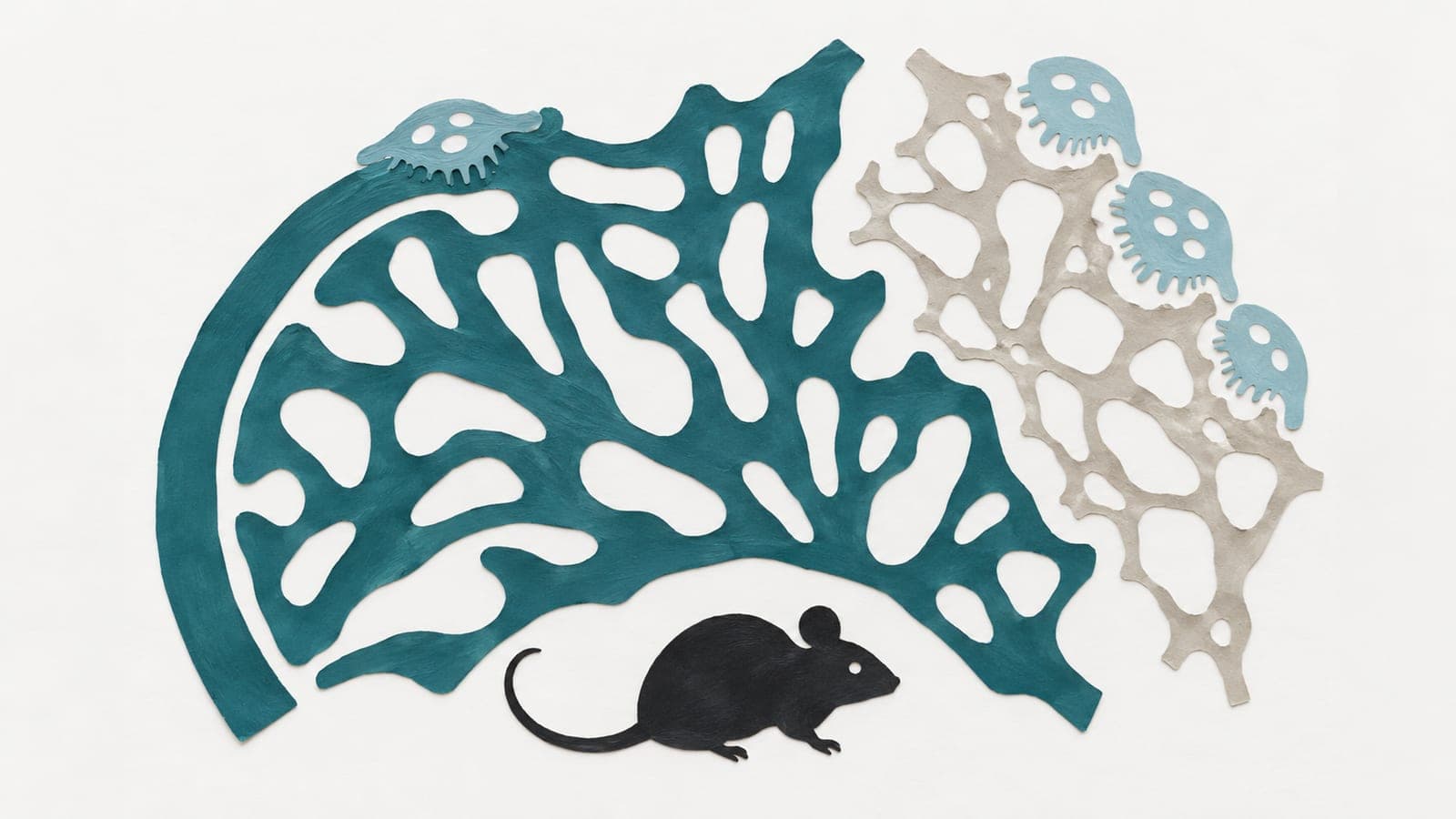
Osteoclasts, cells that break down bone, formed less readily in cell experiments when researchers inhibited CIC, a protein that transports citrate in mitochondria, the cell’s energy-producing structures. The inhibitor, CTPI-2, also disrupted mitochondrial energy production and amino acid production. CIC inhibition increased glutathione, an antioxidant, and reduced the buildup of reactive oxygen molecules. Inhibiting an enzyme needed to make glutathione partly reversed the reduction in osteoclast formation.
CIC levels were higher in osteoclast-lineage cells from people with postmenopausal osteoporosis and in mice whose ovaries had been removed. In those mice, osteoclast-targeted silencing of CIC reduced bone loss.
Why it matters
For postmenopausal osteoporosis, the authors proposed CIC as a candidate target for limiting excessive bone breakdown.
Caveats
The bone-loss result came from gene silencing in mice whose ovaries had been removed, not a drug trial in people. The abstract does not give mouse group sizes.
Where the evidence stands
SLC25A1
- 4 independent labs in 2 countries
- Funders: Government of Jiangsu Province and 4 more
- 1 of 6 findings with company ties
Amino acid metabolism
- 57 independent labs in 19 countries
- 2 findings against
- Funders: National Institutes of Health and others
- 10 of 65 findings with company ties
Comments
Be the first to comment.