Saturated and trans fats not linked to higher death risk in Japan
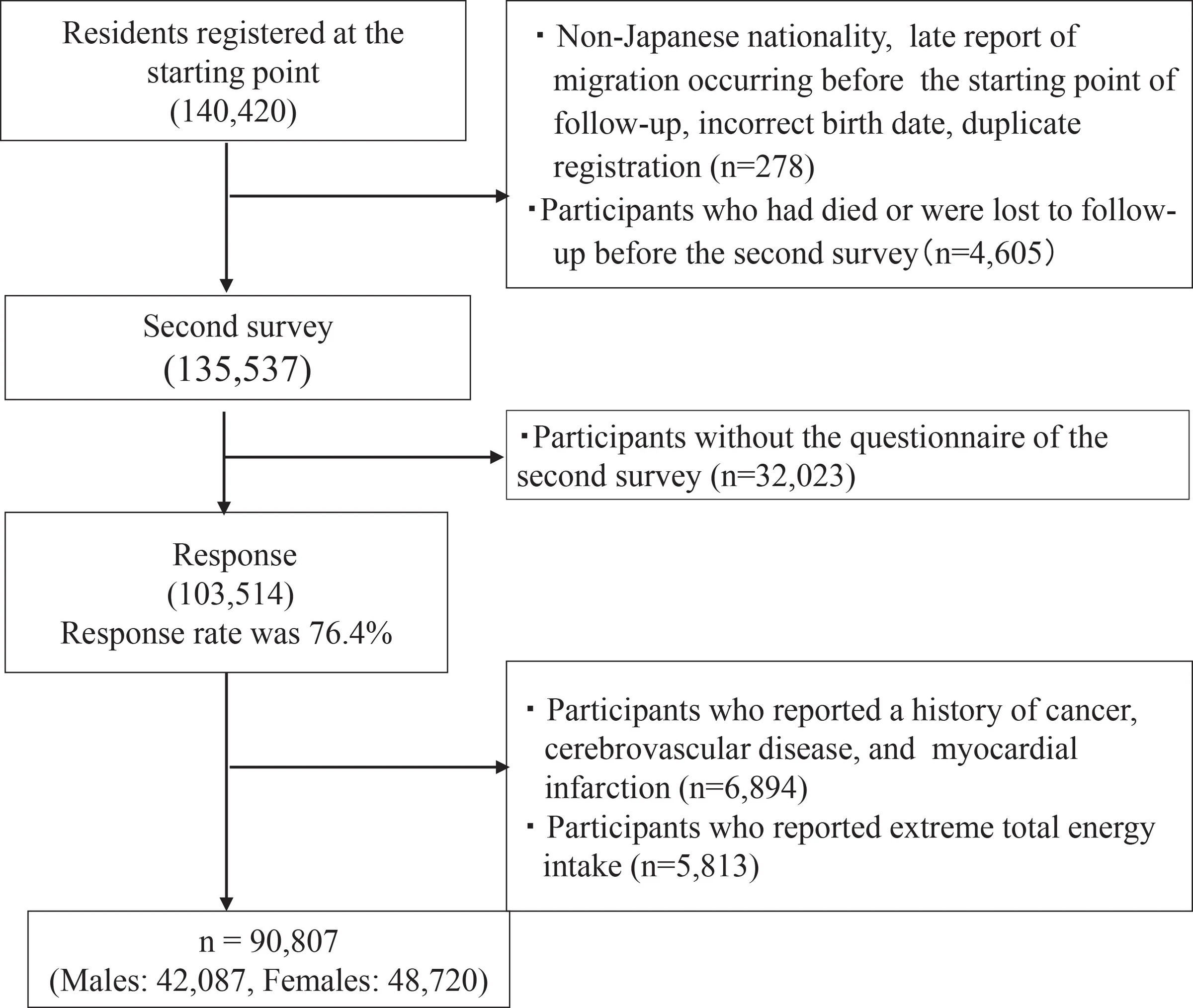
An observational study followed 90,807 Japanese adults for 18.9 years on average, finding neither fat linked to higher mortality in this relatively low-intake population.
Dose-response
Edited by Boris Djordjevic · AgingResearch.News
The observational cohort study included 90,807 Japanese adults aged 45–74 with no history of cancer or cardiovascular disease. Participants reported their diets through a validated food questionnaire. Researchers compared mortality across five intake groups for each type of fat in this population with relatively low fat intakes.
During an average follow-up of 18.9 years, 22,618 participants died. Higher saturated or trans fat intake was not associated with a higher risk of death from any cause. This also held for trans fats from industrial sources. The authors also reported a tentative association between higher polyunsaturated fat intake and lower mortality from any cause in women.
Why it matters
The findings bear on how dietary fat relates to longevity in populations with relatively low fat intakes.
Caveats
This observational study relied on self-reported diets and cannot establish cause and effect or prove an absence of risk. The findings do not necessarily apply to higher-intake populations or people with prior cancer or cardiovascular disease.
Where the evidence stands
Monounsaturated fatty acid intake
- 4 independent labs in 2 countries
- Funders: Biotechnology and Biological Sciences Research Council and 6 more
Polyunsaturated fatty acid intake
- 2 independent labs in 1 country
- 1 of 2 findings with company ties
Comments
Be the first to comment.