Enzyme add-on restores vaccine responses in aged mice
A vaccination experiment in mice aged 72–76 weeks found that enzyme-encoding DNA restored immune responses to levels comparable to those in young vaccinated mice.
Our read
Interventions- Studied:
- Experiments in aged and young adult mice, against aged mice receiving vaccine alone
- What changed:
- Adding pADA improved toxin A neutralization in aged mice compared with vaccination alone, reaching levels comparable to vaccinated young mice
- The catch:
- Neutralization was assessed only 10 days post-boost, leaving long-term antibody durability unmeasured
Editor of record: Boris Djordjevic · AgingResearch.News
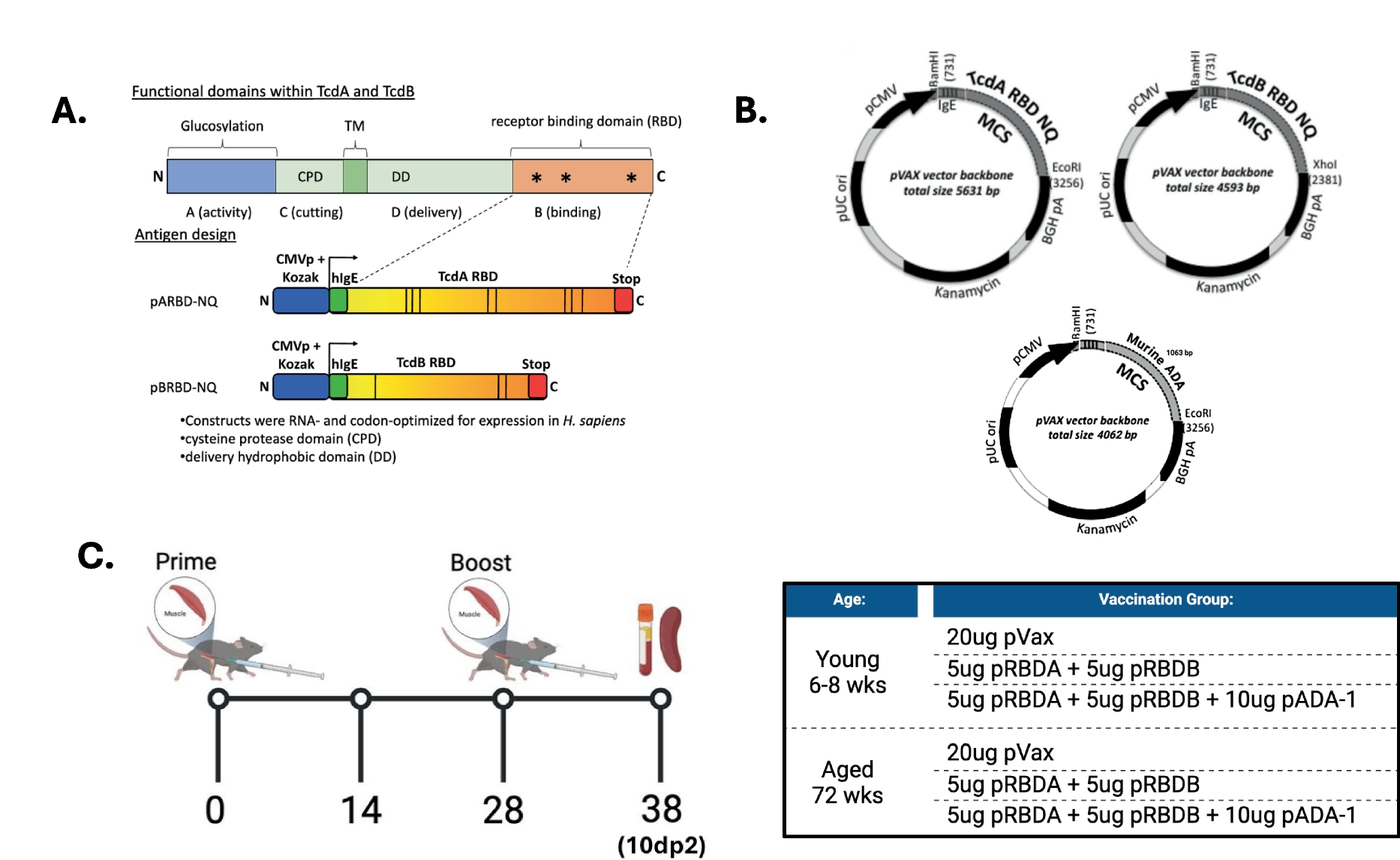
Female and male C57BL/6J mice aged 72–76 weeks received a DNA vaccine against Clostridioides difficile toxins in an animal experiment. Some also received DNA encoding adenosine deaminase, an enzyme that breaks down adenosine, a molecule that suppresses immune activity. The mice received two doses, 28 days apart, and were compared with vaccinated mice aged 6–8 weeks.
In aged mice, the enzyme add-on restored production of toxin-specific helper T cells, which coordinate immune responses, and activation of follicular helper T cells, which help antibody-producing cells. Six weeks after the second dose, the researchers exposed mice to bacterial spores. Aged mice given the add-on had less weight loss and illness during days 1–5 after infection than those given vaccine alone, and survival improved moderately.
Why it matters
Age-related immune decline can weaken vaccine protection against C. difficile. The authors suggest that targeting adenosine regulation may offer a way to improve vaccine responses in older populations.
Caveats
The experiment tested a DNA vaccine in one mouse strain, leaving open whether the same add-on would improve vaccine responses in older people.
Comments
Be the first to comment.