Buckling may explain age-related bends in human brain arteries
Imaging in healthy adults linked older age to longer arteries, while bend spacing was consistent with predictions from a model of growth-driven buckling.

Our read
Mechanisms- Studied:
- Preprint: cross-sectional study of healthy adults
- What changed:
- Spacing between brain artery bends increased with vessel diameter, matching the buckling model’s predictions
- The catch:
- Bend spacing was a proxy for buckling, not a direct observation of its development
- Why it’s aging research:
- It looks at how biology varies with age or lifespan.
Editor of record: Boris Djordjevic · AgingResearch.News
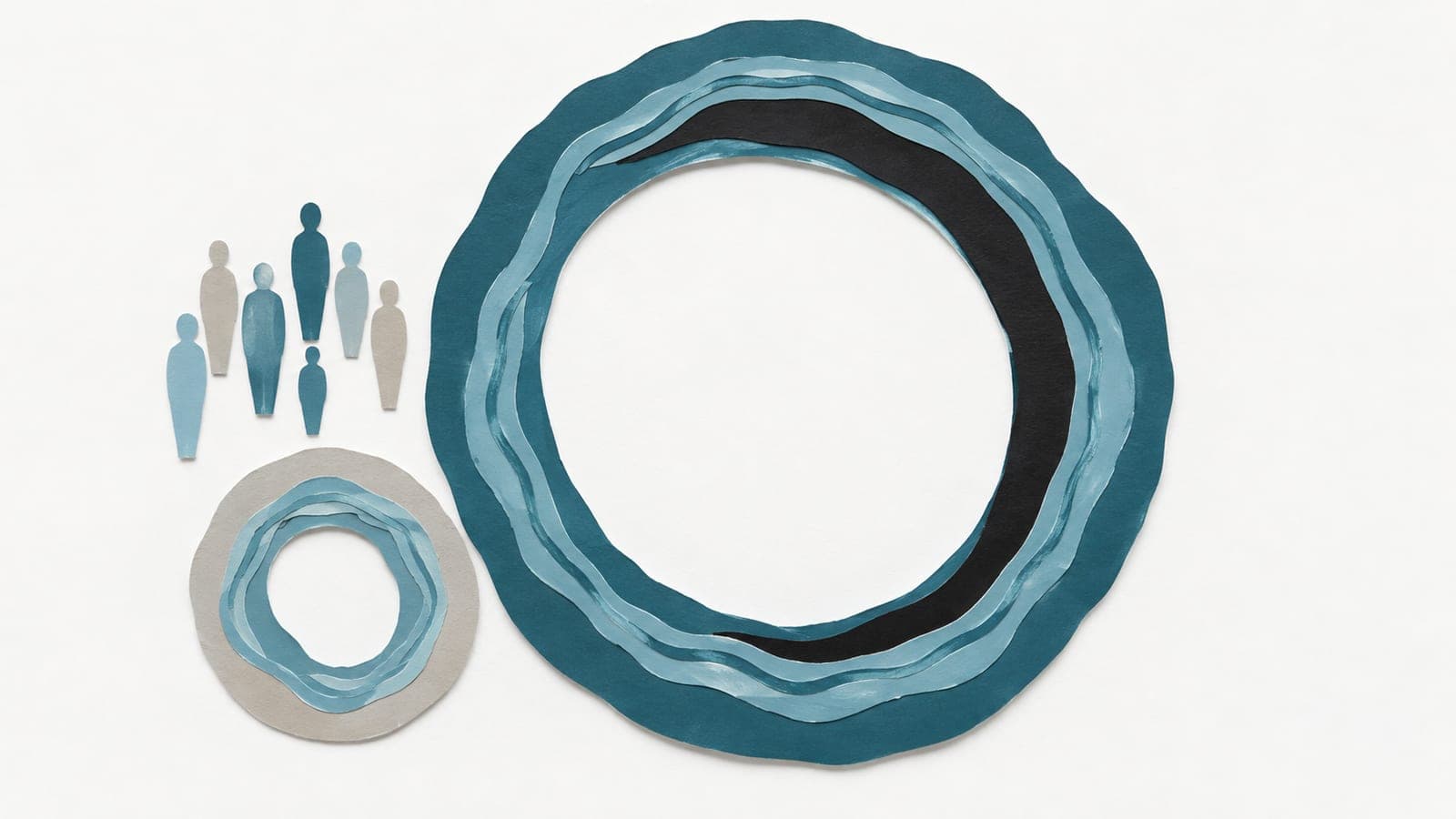
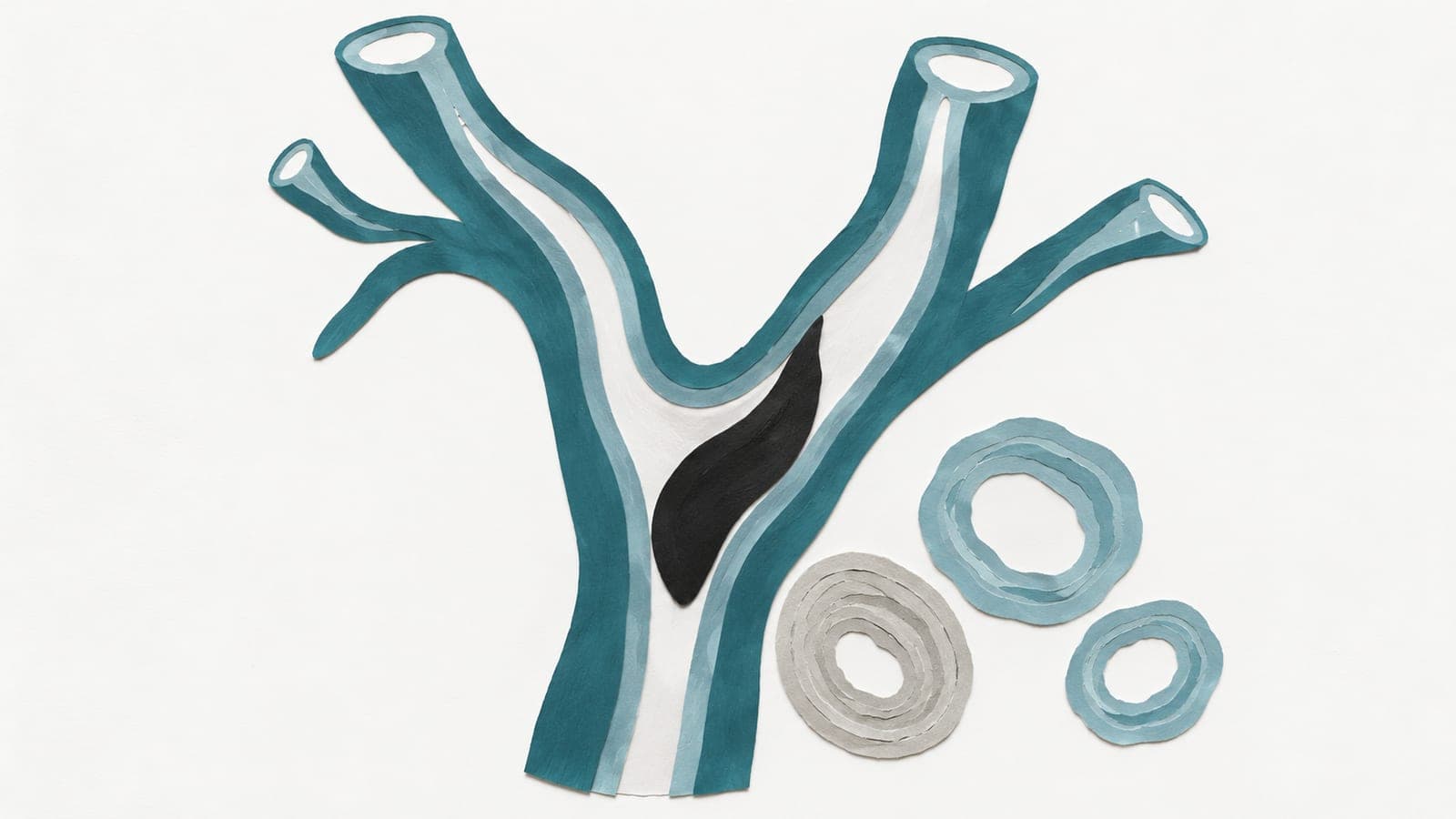
Cerebral arteries in healthy adults were examined in an observational analysis using three-dimensional reconstructions from magnetic resonance angiography, which images blood vessels. The researchers also modeled an artery as an elastic vessel supported by surrounding tissue, with a fixed distance between its ends. As its natural length increased, compression built until it buckled. Further lengthening made the waves larger.
In the imaging data, older age was associated with longer arteries. For arterial waves oriented mostly parallel to the brain surface, the spacing between bends increased with vessel diameter. That relationship and the ratio of wave spacing to vessel diameter were consistent with the model’s predictions. However, wave height was not significantly associated with age.
Why it matters
Brain arteries become more winding with age. The authors’ framework offers a way to investigate how vessel growth within limited space might contribute to this aspect of vascular aging.
Caveats
The imaging associations did not establish that growth caused arteries to buckle, and the model restricted bending to a plane along the brain surface. The paper is a preprint and has not been peer-reviewed.
- Modeling and theory
- Vessel diameter
- Cerebral arterial tortuosity
- Arterial excess-length ratio
- Arterial wave amplitude
- Humans
The paper
Kyushu University
bioRxiv, Nov 5, 2026, Open access, CC BY, Preprint, not yet peer-reviewed
Comments
Be the first to comment.